What is the book "Understanding Earthquakes: A Comprehensive Guide to Natural Disasters" about?
To help you make informed decisions and fully understand earthquakes, we've collected and analyzed information from various sources to create this guide based on Understanding Earthquakes: A Comprehensive Guide to Natural Disasters. Our goal is to provide a thorough understanding of earthquakes and their implications.
|Topic | Key Points|
|:---|:---|
Below, we will dive into each of these topics in greater detail.
FAQ
This FAQ section provides concise answers to common questions about earthquakes, dispelling misconceptions and clarifying essential information. To delve deeper into this topic, refer to Understanding Earthquakes: A Comprehensive Guide To Natural Disasters for a more extensive exploration of the subject matter.

Pinterest - Source www.pinterest.ph
Question 1: What is the difference between an earthquake and a tremor?
An earthquake is a sudden and violent shaking of the ground caused by the rapid release of energy beneath the Earth's surface. In contrast, a tremor is a minor earthquake with a magnitude typically below 3.0, producing a gentle shaking or vibration.
Question 2: Can earthquakes be predicted?
While scientists have made significant progress in understanding earthquake mechanisms, predicting their exact time and location remains a challenge. However, ongoing research and monitoring systems aim to improve earthquake forecasting capabilities.
Question 3: What are the warning signs of an impending earthquake?
Unfortunately, there are no reliable precursory signs that can accurately predict an imminent earthquake. However, understanding local earthquake hazards and practicing preparedness measures is crucial.
Question 4: How should I prepare for an earthquake?
Earthquake preparedness involves several key steps, including securing furniture and appliances, creating a disaster kit with essential supplies, and identifying safe evacuation routes. Additionally, staying informed about local earthquake risks and emergency procedures is vital.
Question 5: What should I do during an earthquake?
During an earthquake, prioritize safety by seeking cover under a sturdy table or desk, away from windows and external walls. Stay indoors until the shaking subsides, and follow the instructions provided by emergency officials.
Question 6: What are the long-term effects of earthquakes?
Earthquakes can have long-lasting consequences, including building damage, infrastructure disruption, and economic losses. They can also trigger landslides, tsunamis, and other secondary hazards, emphasizing the importance of post-earthquake recovery and resilience.
By understanding these essential facts about earthquakes, individuals can enhance their preparedness and mitigate potential risks. Remember, knowledge and preparation are key to navigating these natural events.
To explore earthquake science and preparedness measures in greater detail, refer to the comprehensive guide Understanding Earthquakes: A Comprehensive Guide To Natural Disasters.
Tips
Understanding earthquakes and their potential impact is crucial for preparedness and mitigation. Here are essential tips to guide you in earthquake readiness:
Tip 1: Develop an Earthquake Plan
Plan and practice procedures with family or housemates, including identifying safe zones within the home, escape routes, and a designated out-of-town contact. Conduct regular drills to familiarize everyone with the plan.
Tip 2: Secure Your Home
Bolt heavy objects, such as bookshelves and appliances, to the walls or floor. Secure top-heavy items or those that may fall, like picture frames or hanging plants. Install earthquake straps for water heaters and gas lines.
Tip 3: Gather an Emergency Kit
Prepare an emergency kit with essential items that can sustain you for several days after an earthquake, including food, water, first-aid supplies, a battery-operated radio, and important documents.
Tip 4: Learn to Turn Off Utilities
Locate and familiarize yourself with the main shutoff valves for gas, water, and electricity. Know how to turn off these utilities if necessary to prevent further damage or hazards.
Tip 5: Stay Informed and Evacuate if Needed
Monitor local news and official announcements for updates and instructions. If evacuation is ordered, follow instructions promptly and seek higher ground in case of a potential tsunami.
Tip 6: Protect Yourself During an Earthquake
If caught indoors, drop to the floor, take cover under a sturdy table or desk, and hold on until the shaking stops. Avoid windows, outside doors, and tall furniture. If outdoors, stay away from buildings, power lines, and trees.
Tip 7: After an Earthquake
Check for injuries and inspect your home for damage. If possible, turn off utilities and contact emergency services if needed. Be prepared for aftershocks and follow instructions from authorities.
By implementing these tips and staying informed, you can significantly enhance your safety and preparedness in the event of an earthquake.
Understanding Earthquakes: A Comprehensive Guide To Natural Disasters
Earthquakes, sudden and often catastrophic natural disasters, unleash formidable forces that shape our planet. Understanding their complexities demands a multifaceted approach, encompassing geological processes, impact assessment, and strategies for preparedness and mitigation.
- Seismic Waves: Transmitting energy, these waves cause ground shaking and destruction.
- Magnitude and Intensity: Measures of earthquake strength, influencing damage potential.
- Fault Lines: Fracture zones where tectonic plates move, triggering earthquakes.
- Tectonic Plates: Massive slabs of Earth's crust that interact, causing earthquakes.
- Hazard Assessment: Identifying earthquake-prone areas and predicting risks.
- Disaster Preparedness: Developing plans and infrastructure to minimize earthquake impacts.
These key aspects elucidate the diverse dimensions of earthquakes. Seismic waves unleash destructive energy, while magnitude and intensity gauge their strength. Fault lines mark the boundaries of potential rupture, and tectonic plates govern their formation. Hazard assessment equips us with knowledge to mitigate risks, and disaster preparedness empowers communities to respond effectively. Understanding these elements empowers us to navigate the complexities of this formidable natural phenomenon.

How Purchasing a Vehicle Protection Plan Saves You Money - Source www.freedomwarranty.com
Understanding Earthquakes: A Comprehensive Guide To Natural Disasters
"Understanding Earthquakes: A Comprehensive Guide To Natural Disasters" comprehensively addresses the significance of earthquakes as natural disasters. It highlights the causes and effects of earthquakes, exploring the geological processes that trigger these events and the devastating consequences they can have on human populations and infrastructure. The guide emphasizes the importance of understanding earthquakes to mitigate their impact, providing valuable insights into earthquake preparedness, response, and recovery.
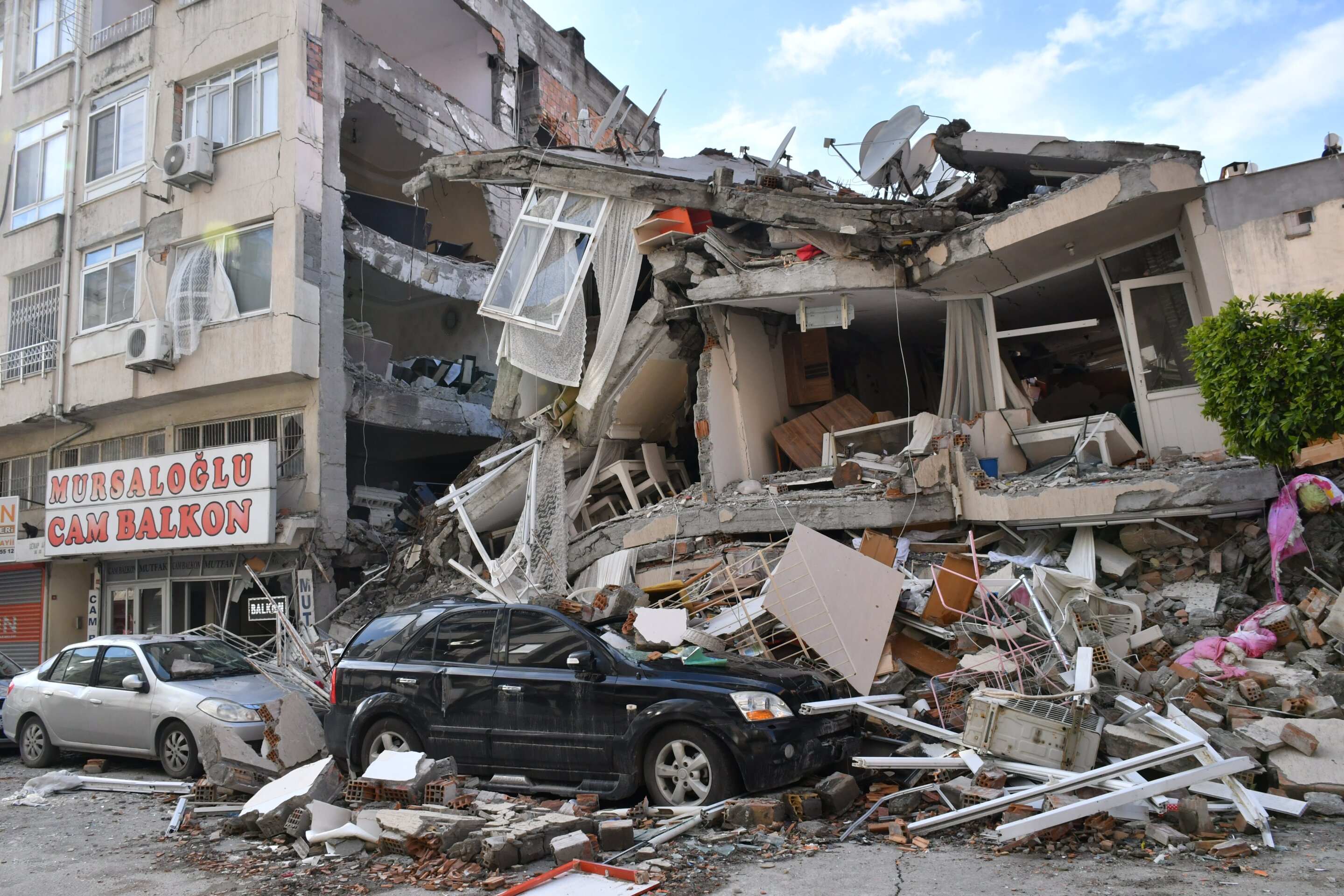
Understanding the catastrophic impact of the earthquakes in Turkey - Source techxplore.com
Real-life examples illustrate the practical significance of understanding earthquakes. The 2011 Tohoku earthquake and tsunami in Japan and the 2015 Nepal earthquake are prominent examples that underscore the catastrophic potential of earthquakes and the urgent need for preparedness. By understanding the science behind earthquakes, we can implement effective measures to reduce their impact, including building codes, early warning systems, and community education programs.
Understanding earthquakes is crucial for developing effective strategies to manage and mitigate their risks. It enables policymakers, scientists, and emergency responders to make informed decisions, allocate resources efficiently, and enhance public safety. Moreover, it empowers individuals and communities to take proactive steps to prepare for and respond to earthquakes, ultimately reducing the loss of life and property.
| Cause | Effect |
|---|---|
| Movement of tectonic plates | Ground shaking, tsunamis, landslides |
| Volcanic eruptions | Ground shaking, ash clouds, pyroclastic flows |
| Human activities (e.g., mining, fracking) | Induced seismicity, ground shaking |
Conclusion
"Understanding Earthquakes: A Comprehensive Guide To Natural Disasters" underscores the critical importance of understanding earthquakes to reduce their devastating impact. By delving into the causes, effects, and practical implications of earthquakes, the guide equips readers with the knowledge and tools necessary for effective earthquake preparedness, response, and recovery.
The urgency of addressing earthquake risks cannot be overstated. By embracing a comprehensive understanding of earthquakes, we can empower ourselves to mitigate their consequences, protect lives and property, and build resilient communities that can withstand the challenges posed by these natural disasters.


0 comments:
Post a Comment