Through meticulous analysis and thorough research, we have meticulously curated this comprehensive guide on Hantavirus: Transmission, Symptoms, Prevention, And Treatment to empower our readers with the knowledge and tools necessary to navigate this health concern effectively.
| Transmission | Symptoms | Prevention | Treatment |
|---|---|---|---|
| Through contact with infected rodents and their excreta | Flu-like symptoms, fever, muscle aches, fatigue | Avoid contact with rodents, seal up holes in homes | Supportive care, antiviral medications |
Transition to Main Article Topics: This comprehensive guide delves into the intricacies of Hantavirus: Transmission, Symptoms, Prevention, And Treatment, covering essential aspects such as:
- Transmission: Understanding the modes of transmission and identifying high-risk environments.
- Symptoms: Recognizing the spectrum of symptoms associated with Hantavirus infection, ranging from mild to severe.
- Prevention: Implementing effective preventive measures to minimize the risk of exposure and infection.
- Treatment: Exploring the available treatment options, including supportive care and antiviral medications, and discussing their efficacy and potential side effects.
FAQ
Understanding Hantavirus is crucial for protecting oneself and others from its potentially severe consequences. This FAQ section addresses some commonly asked questions regarding Hantavirus: Transmission, Symptoms, Prevention, And Treatment to provide a concise overview of this important topic.
Question 1: How is Hantavirus transmitted?
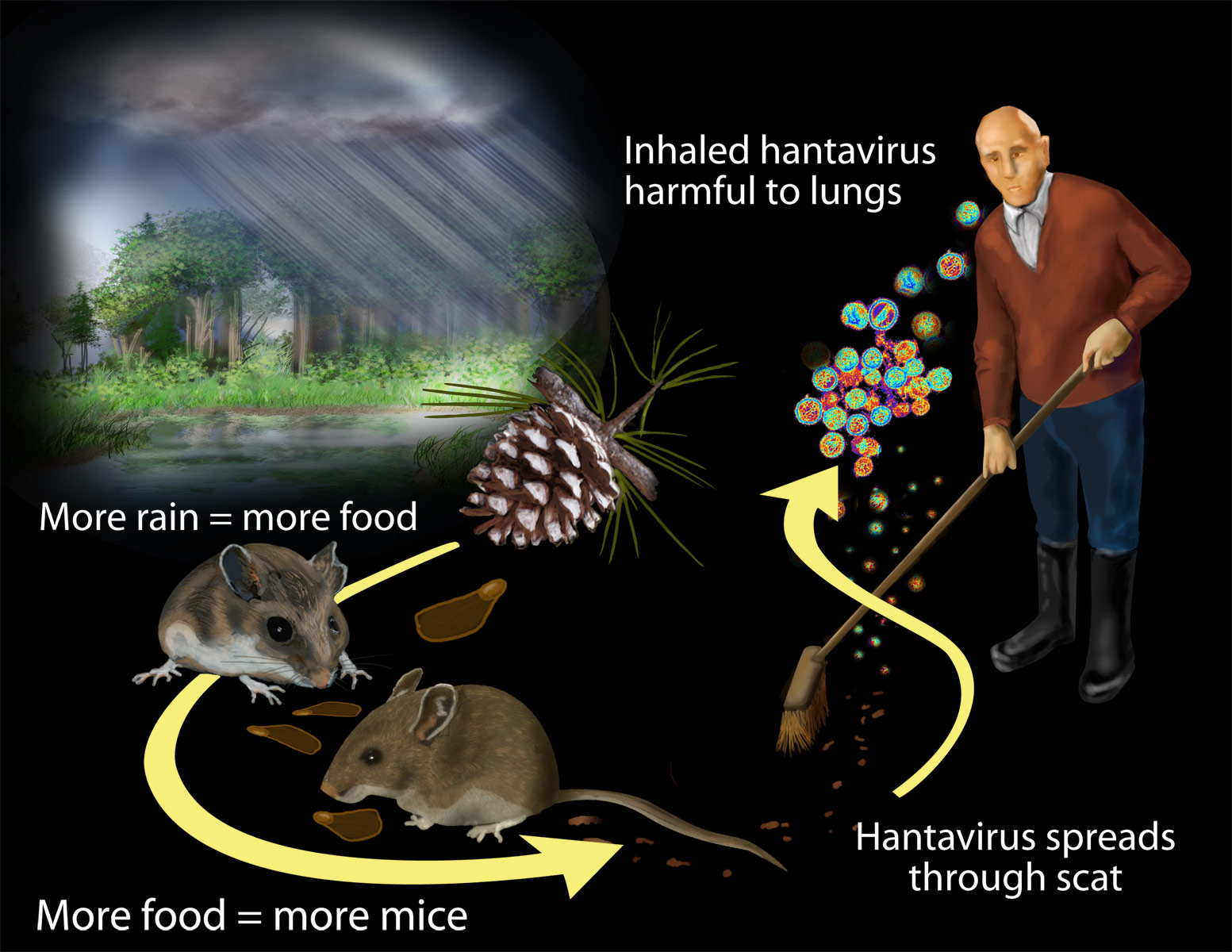
Hantavirus is primarily transmitted through contact with the saliva, urine, or droppings of infected rodents. Inhalation of airborne particles containing the virus, ingestion of contaminated food or water, or direct contact with infected rodents can also lead to infection.
Question 2: What are the symptoms of Hantavirus?
Initial symptoms typically resemble those of the flu, including fever, chills, muscle aches, and fatigue. As the infection progresses, severe symptoms can develop, such as shortness of breath, nausea, vomiting, and abdominal pain.
Question 3: How can Hantavirus be prevented?
Preventing Hantavirus infection involves reducing contact with rodents and their habitats. Sealing entry points into homes, keeping the surrounding area free of debris and vegetation, and using traps to control rodent populations can help minimize exposure. Additionally, avoiding contact with sick or dead rodents and practicing good hygiene, including handwashing and avoiding contact with rodent droppings, is essential.
Question 4: Is there a treatment for Hantavirus?
Currently, there is no specific antiviral treatment for Hantavirus. Treatment focuses on supportive care, such as providing oxygen, fluids, and pain medication, and managing complications as they arise.
Question 5: What is the mortality rate of Hantavirus?
The mortality rate of Hantavirus varies depending on the strain of the virus and the individual's immune response. In the United States, the mortality rate for Hantavirus Pulmonary Syndrome (HPS) is around 36%.
Question 6: What are some additional tips for preventing Hantavirus?
When engaging in outdoor activities or working in areas with potential rodent exposure, wearing gloves and protective gear is recommended. Additionally, keeping food and water sources secure and avoiding camping or sleeping in rodent-infested areas can further reduce the risk of infection.
Hantavirus infection can be serious, but it is preventable by taking appropriate precautions. By understanding the transmission routes, symptoms, and prevention measures, you can protect yourself and others from this potentially life-threatening disease.
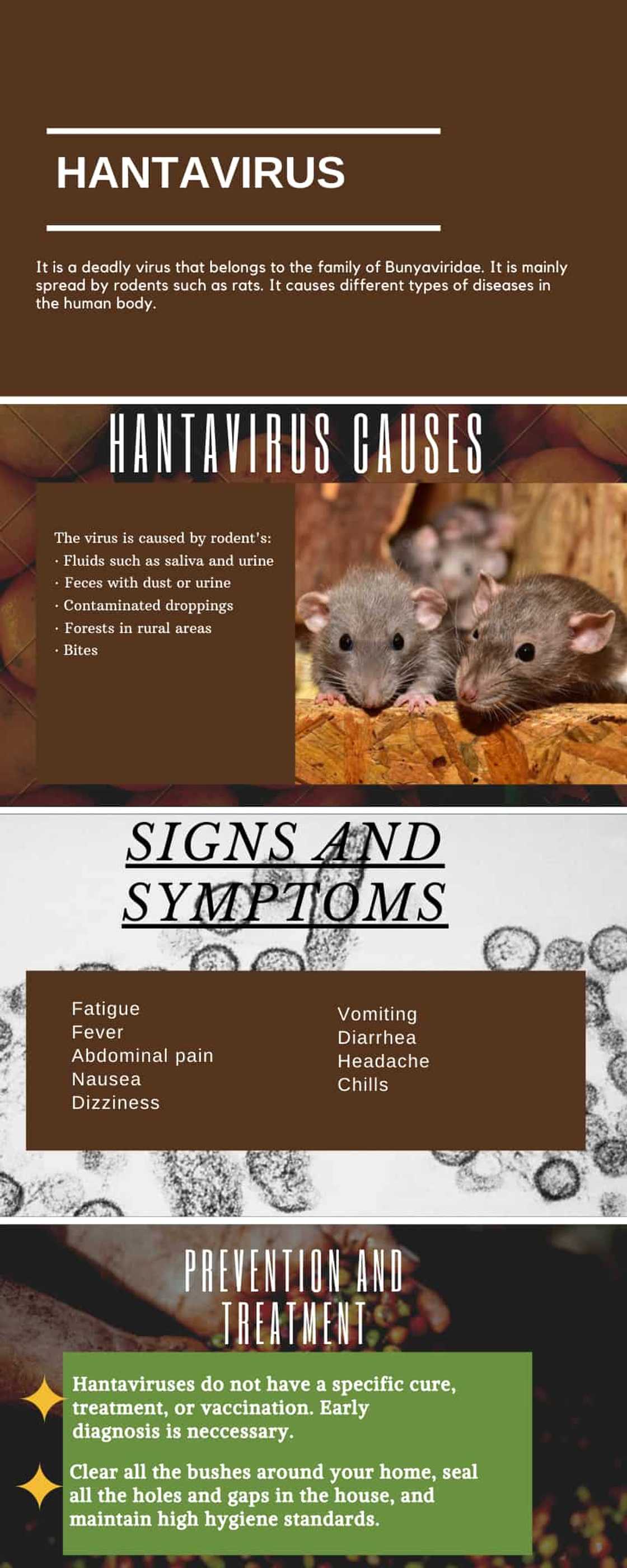
Hantavirus: meaning, symptoms, prevention, treatment - KAMI.COM.PH - Source kami.com.ph
Tips
Implementing the following precautionary measures can considerably reduce your risk of contracting hantavirus:
Tip 1: Eliminate rodent habitats
Minimize clutter both inside and outside your home. Seal any openings or gaps that could allow rodents to enter. Regular cleaning and proper waste disposal are crucial.
Tip 2: Avoid contact with rodents
Do not approach or handle dead or live rodents. Wear gloves if rodent droppings or nests need to be cleaned up. Proper disposal is essential to prevent further contamination.
Tip 3: Protect your food
Rodents can contaminate food and water sources. Store food in sealed containers and keep pet food out of reach. Clean and disinfect areas where pets eat or drink regularly.
Tip 4: Ventilate enclosed spaces
Hantavirus can linger in the air of enclosed spaces where rodent droppings or urine are present. Ventilate areas thoroughly, especially after cleaning up rodent-contaminated areas.
Tip 5: Take precautions when camping or hiking
Camp in areas free of rodent activity. If camping in rodent-prone areas, use tents with solid floors and keep food and gear securely sealed.
Summary: By following these tips, you can effectively reduce your chances of being exposed to hantavirus and protect yourself from its potentially severe consequences.
Transition to Conclusion: While hantavirus is a serious concern, taking these precautionary measures and seeking prompt medical attention if symptoms develop can significantly improve outcomes.
Hantavirus: Transmission, Symptoms, Prevention, And Treatment
Understanding Hantavirus encompasses essential aspects ranging from its transmission modes and clinical manifestations to preventive measures and treatment strategies.
- Transmission: Rodent-borne virus, primarily through inhalation of contaminated air.
- Symptoms: Flu-like symptoms, including fever, muscle aches, and fatigue.
- Prevention: Minimizing rodent exposure, sealing entry points, and using protective gear.
- Treatment: Supportive care, antiviral medications, and hospitalization in severe cases.
- Complications: Hantavirus pulmonary syndrome (HPS), a potentially fatal respiratory illness.
- Outbreaks: Sporadic, typically in rural areas with high rodent populations.
These aspects are interconnected, highlighting the importance of comprehensive approaches to Hantavirus management. Preventing rodent exposure reduces transmission risk, early diagnosis and treatment improve outcomes, and understanding complications enables timely interventions. Continuously monitoring outbreaks and educating communities are crucial for effective Hantavirus control.
Bunyavirales | Concise Medical Knowledge - Source www.lecturio.com

Hantavirus Treatment: Here - Source www.india.com
Hantavirus: Transmission, Symptoms, Prevention, And Treatment
Hantaviruses are a group of rodent-borne viruses that can cause hantavirus pulmonary syndrome (HPS) and other severe illnesses in humans. HPS is a rare but potentially fatal respiratory illness that can occur within 1 to 5 weeks after exposure to infected rodents or their droppings. Symptoms of HPS include fever, muscle aches, headaches, nausea, vomiting, diarrhea, and abdominal pain. In severe cases, HPS can lead to respiratory distress, fluid buildup in the lungs, and death.

Hantavirus: Causes, Symptoms, Risk Factor and Treatment - HealthPulls - Source healthpulls.com
There is no specific treatment for HPS, but supportive care can help to improve the chances of survival. Treatment may include oxygen therapy, mechanical ventilation, and medications to reduce inflammation and pain. Early diagnosis and treatment of HPS are important to improve the chances of a successful outcome.
There are a number of things that people can do to prevent exposure to hantaviruses, including:
- Avoiding contact with rodents and their droppings
- Sealing up holes in homes and other buildings to prevent rodents from entering
- Trapping and removing rodents from homes and other buildings
- Cleaning up rodent droppings and nesting materials with a bleach solution
- Wearing gloves when handling rodent droppings or nesting materials
- Washing hands thoroughly with soap and water after handling rodent droppings or nesting materials
Hantaviruses are a serious public health concern, but there are a number of things that people can do to prevent exposure to these viruses. By taking these precautions, people can help to protect themselves from HPS and other hantavirus infections.
| Symptom | Treatment |
|---|---|
| Fever | Acetaminophen or ibuprofen |
| Muscle aches | Rest and pain relievers |
| Headaches | Pain relievers |
| Nausea | Anti-nausea medications |
| Vomiting | Anti-nausea medications and fluids |
| Diarrhea | Anti-diarrheal medications and fluids |
| Abdominal pain | Pain relievers |
| Respiratory distress | Oxygen therapy and mechanical ventilation |
| Fluid buildup in the lungs | Diuretics |
Conclusion
Hantaviruses are a serious public health concern, but there are a number of things that people can do to prevent exposure to these viruses. By taking these precautions, people can help to protect themselves from HPS and other hantavirus infections. Early diagnosis and treatment of HPS are important to improve the chances of a successful outcome.
More research is needed to develop effective treatments for HPS and to identify ways to prevent the spread of hantaviruses. However, the information that is currently available can help people to take steps to protect themselves from these viruses.


0 comments:
Post a Comment