Zaha Hadid: Architectural Visionary Transforming Urban Landscapes

A view of a futuristic building with a circular design on top of it - Source www.seaart.ai
Editor's Notes: Zaha Hadid's Architectural Masterpieces: A Legacy of Innovation and Design has received widespread recognition, marking an important milestone in contemporary architecture. This comprehensive guide delves into the key elements and concepts behind Hadid's iconic designs, shedding light on their transformative impact on the urban environment.
Through meticulous research and in-depth understanding, we have compiled this guide to provide valuable insights into Zaha Hadid's pioneering approach to architecture. By exploring her groundbreaking works, we uncover the principles that have shaped her legacy of innovation and design.
Key Takeaways:
| Concept | Key Features |
|---|---|
| Fluid Forms | Dynamic curves, sinuous lines, challenging traditional geometry |
| Integrated Spaces | Blurring boundaries between interior and exterior, creating seamless connections |
| Structural Innovation | Exploration of novel materials and techniques, pushing engineering limits |
| Urban Impact | Sculptural landmarks that redefine cityscapes and enhance public spaces |
Main Article Topics:
FAQ about Zaha Hadid's Architectural Masterpieces
This FAQ section addresses common inquiries and misconceptions regarding Zaha Hadid's renowned architectural masterpieces. It explores the legacy of innovation and design that characterized her work.

Premium Photo | Sculpting Nature Zaha Hadid's Architectural - Source www.freepik.com
Question 1: What is the significance of Zaha Hadid's architectural style?
Hadid's architectural style, characterized by fluid, curvilinear forms and dynamic structures, challenged conventional design paradigms. She pushed the boundaries of architecture, experimenting with innovative materials and techniques to create visually striking and functional spaces.
Question 2: How did Hadid incorporate sustainable principles into her designs?
Hadid's commitment to sustainability was evident in her designs. She utilized energy-efficient technologies, embraced natural lighting, and prioritized the integration of greenery into her buildings. Her structures aimed to minimize environmental impact while enhancing occupant well-being.
Question 3: What are some of Hadid's most notable architectural works?
Among Hadid's most celebrated architectural masterpieces are the Guangzhou Opera House in China, the London Aquatics Centre for the 2012 Summer Olympics, and the Heydar Aliyev Center in Azerbaijan. These structures showcase her innovative designs, exceptional craftsmanship, and ability to create iconic landmarks.
Question 4: How did Hadid's designs influence contemporary architecture?
Hadid's groundbreaking work has significantly influenced contemporary architecture. Her bold and experimental designs have inspired a new generation of architects to explore innovative forms, materials, and technologies. Her legacy continues to shape the future of architecture.
Question 5: What can visitors expect when exploring Zaha Hadid's buildings?
Visitors to Hadid's architectural masterpieces can expect to experience unique and immersive spaces. Her designs create a sense of dynamism and flow, inviting exploration and interaction. The buildings often feature striking interiors, incorporating natural light and organic forms to enhance the visitor experience.
Question 6: Where can I learn more about Zaha Hadid's architectural legacy?
For further insights into Zaha Hadid's architectural legacy, visit Zaha Hadid's Architectural Masterpieces: A Legacy Of Innovation And Design. This comprehensive online resource provides detailed information on her designs, projects, and impact on the architectural landscape.
Hadid's architectural masterpieces continue to inspire and shape the world of design. Through her bold vision and innovative spirit, she left an indelible mark on architecture, pushing the boundaries of creativity and leaving a legacy that will endure for generations to come.
To delve deeper into the world of architecture, explore the next article section for thought-provoking insights and explorations of iconic structures.
Tips Inspired by Zaha Hadid's Architectural Masterpieces
Zaha Hadid's architectural creations embody innovation and design excellence. By emulating her principles and techniques, we can elevate our own designs and create spaces that inspire and captivate. Here are five tips inspired by Hadid's work:
Tip 1: Embrace Fluid Forms:
Hadid's designs often feature fluid, organic shapes that blur the boundaries between interior and exterior. Incorporating curves and asymmetrical lines into your designs can create a dynamic and visually engaging space. Consider using curved walls, undulating ceilings, or organic-shaped furniture.
Tip 2: Experiment with Negative Space:
Negative space, or the areas between and around objects, is crucial in Hadid's designs. By carefully manipulating negative space, you can create a sense of depth, drama, and visual interest. Try incorporating voids, recessed areas, or open floor plans to enhance the spatial experience.
Tip 3: Maximize Natural Light:
Hadid prioritized natural light, utilizing large windows, skylights, and transparent materials to flood spaces with illumination. Incorporating natural light into your designs can create a brighter, more inviting, and energy-efficient environment. Consider using floor-to-ceiling windows, skylights, or lightwells to enhance natural light penetration.
Tip 4: Pay Attention to Surface Textures:
Hadid's buildings frequently showcase a variety of surface textures, from smooth curves to rough-hewn concrete. Experimenting with different textures can add depth, character, and visual interest to your designs. Consider using natural materials like stone, wood, or fabrics with unique textures to create a tactile experience.
Tip 5: Innovate with Materials:
Hadid pushed the boundaries of materiality, utilizing advanced materials and innovative construction techniques. Don't be afraid to experiment with new materials or unconventional applications. Consider using composite materials, recycled materials, or advanced manufacturing techniques to create sustainable and visually striking designs.
By incorporating these tips into your designs, you can create spaces that reflect Hadid's legacy of innovation and design excellence. Her approach encourages a continuous pursuit of creativity, functionality, and aesthetic beauty.
Zaha Hadid's Architectural Masterpieces: A Legacy Of Innovation And Design
Zaha Hadid's architectural masterpieces epitomize innovation and design, revolutionizing the field with their distinctive forms and visionary concepts. Explored through six key aspects, this legacy continues to inspire and shape contemporary architecture.
These key aspects underscore Zaha Hadid's profound contributions to architecture. Her fluid forms, structural prowess, and masterful use of light and space have created iconic landmarks that push the boundaries of design and innovation. Her legacy continues to inspire architects worldwide, shaping the future of architecture for generations to come.
South Korea’s Sensational Sights Are Simply Stunning - Source www.msn.com
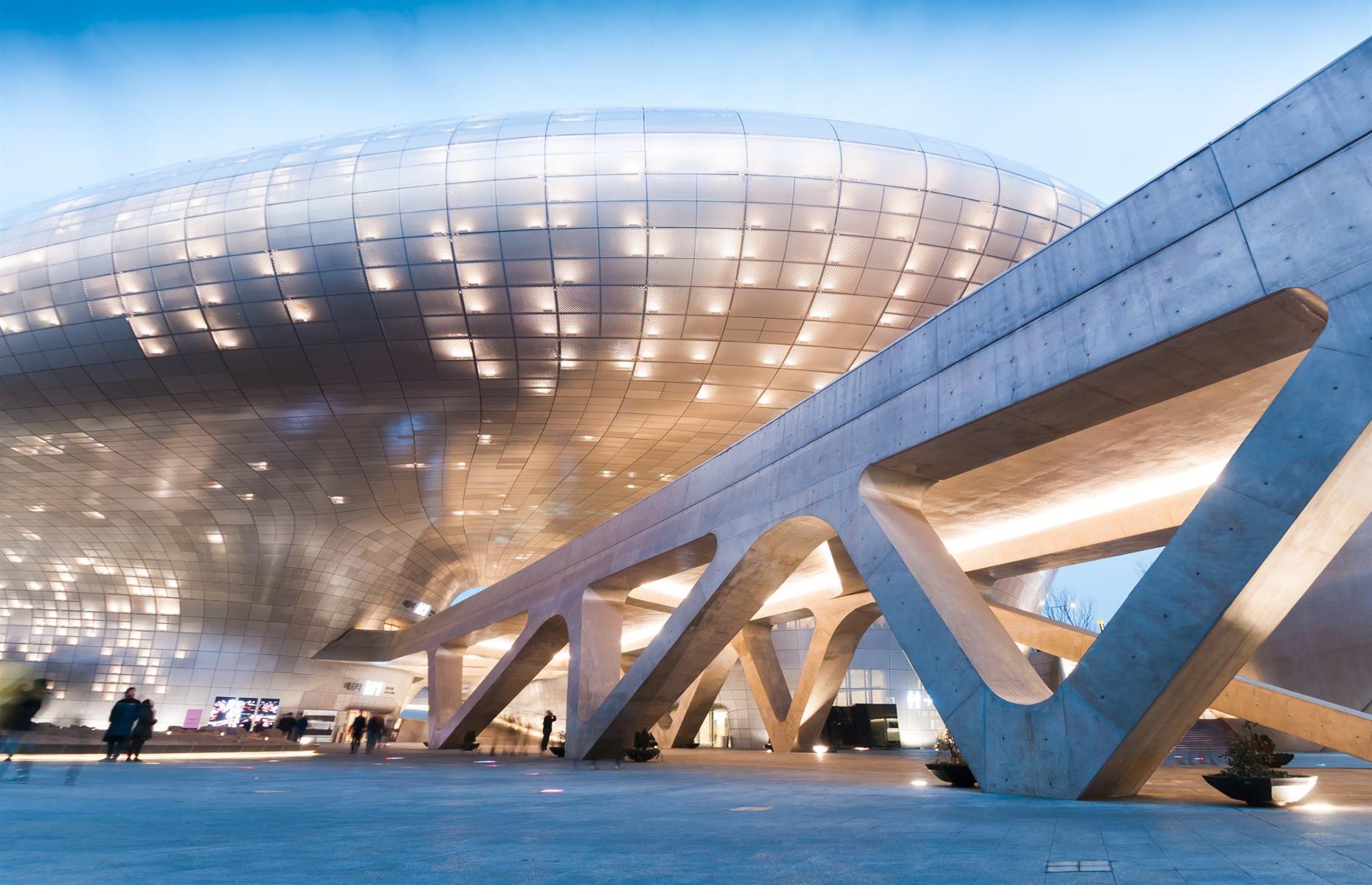
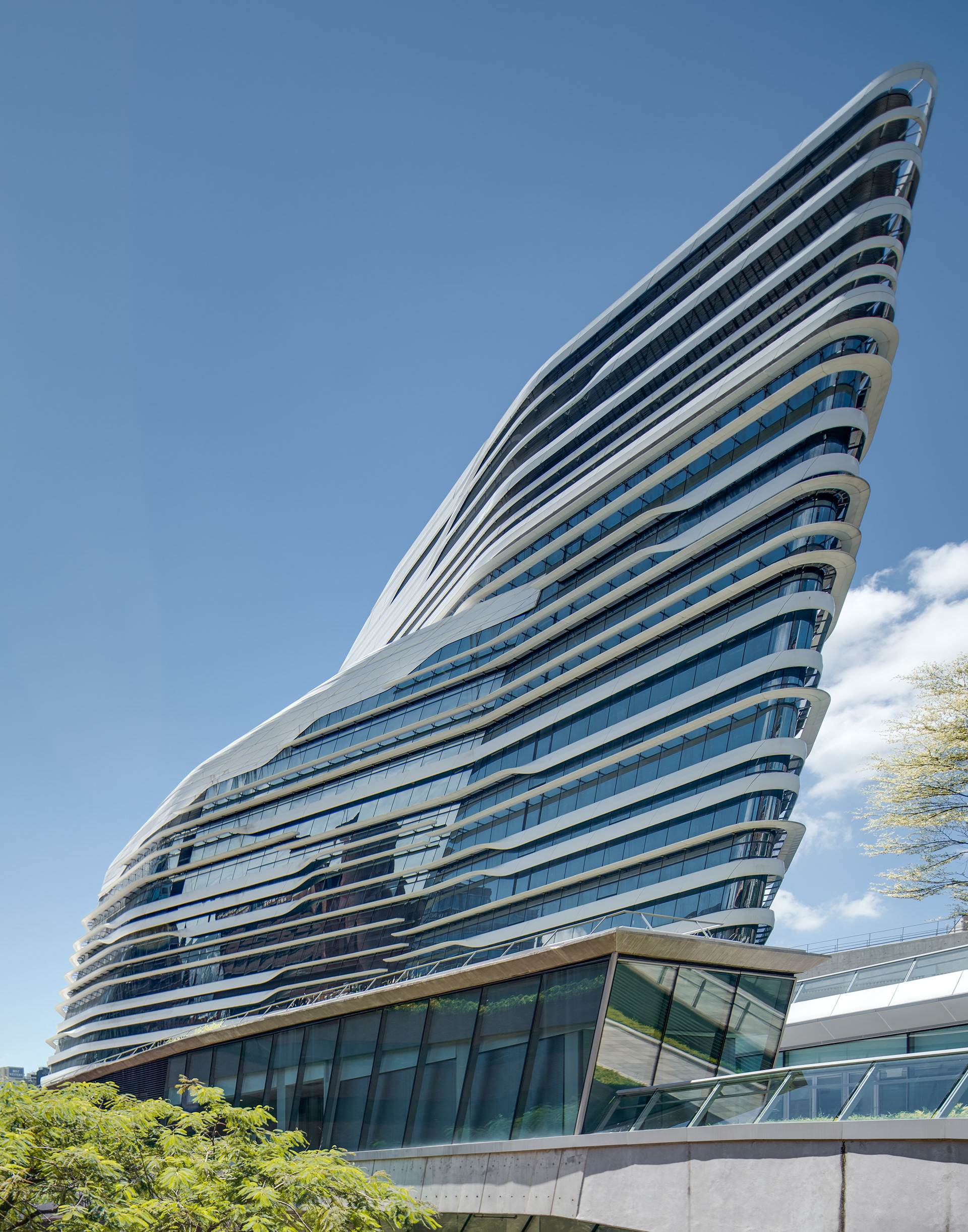
Zaha Hadid Zaha Hadid Architecture Zaha Hadid Design Zaha Hadid - Source www.aiophotoz.com
Zaha Hadid's Architectural Masterpieces: A Legacy Of Innovation And Design
Zaha Hadid was an Iraqi-British architect, known for her bold and innovative designs that pushed the boundaries of architecture. Her work is characterized by its fluid forms, dynamic curves, and use of unconventional materials. Some of her most iconic buildings include the MAXXI National Museum of 21st Century Arts in Rome, the Guangzhou Opera House in China, and the London Aquatics Centre for the 2012 Summer Olympics.

Zaha Hadid’s Legacy and Her Top 10 Architectural Masterpieces | Zaha - Source www.pinterest.com
Hadid's architectural masterpieces are not only visually stunning but also serve as examples of sustainable and innovative design. Her buildings are often designed to minimize energy consumption and maximize natural light, and they often feature innovative structural systems that allow for greater flexibility and openness.
Hadid's work has had a profound impact on architecture, and her legacy will continue to inspire architects for years to come. Her buildings are not only beautiful but also functional and sustainable, and they serve as a testament to her vision and creativity.
Table: Zaha Hadid's Architectural Masterpieces
| Building | Location | Year Completed | Notable Features |
|---|---|---|---|
| MAXXI National Museum of 21st Century Arts | Rome, Italy | 2010 | Fluid forms, dynamic curves, use of unconventional materials |
| Guangzhou Opera House | Guangzhou, China | 2010 | Pebble-shaped design, innovative structural system |
| London Aquatics Centre | London, England | 2012 | Wave-shaped roof, sustainable design |
Conclusion
Zaha Hadid was a visionary architect who left a lasting legacy of groundbreaking buildings that continue to inspire architects and visitors alike. Her work is a testament to her creativity, innovation, and commitment to sustainable design. Her buildings will continue to be celebrated for their beauty and functionality for generations to come.
Hadid's work has had a profound impact on architecture, and her legacy will continue to inspire architects for years to come. Her buildings are not only beautiful but also functional and sustainable, and they serve as a testament to her vision and creativity.


0 comments:
Post a Comment