What is "Unveiling The Majestic Geminid Meteor Shower: A Celestial Symphony"?Unveiling The Majestic Geminid Meteor Shower: A Celestial Symphony is a comprehensive guide to one of the most spectacular celestial events of the year.
Editor's Note:Unveiling The Majestic Geminid Meteor Shower: A Celestial Symphony has published today to help skywatchers make the most of this incredible event.
Our team of experts have analyzed historical data, consulted with leading astronomers, and gathered information from various sources to put together this guide to help you plan your Geminid meteor shower viewing experience.
Key differences:
| Geminid Meteor Shower | |
|---|---|
| Date | December 4-17, 2022 |
| Peak | December 13-14, 2022 |
| Meteors per hour | Up to 150 |
| Origin | Asteroid 3200 Phaethon |
Main article topics:
- When and where to see the Geminid meteor shower
- What to expect during the meteor shower
- Tips for viewing the meteor shower
- History of the Geminid meteor shower
- Other meteor showers to watch for in 2022
Whether you are a seasoned skywatcher or a first-time observer, Unveiling The Majestic Geminid Meteor Shower: A Celestial Symphony has everything you need to know to enjoy this amazing astronomical event.
FAQ
Explore the depths of knowledge surrounding the Geminid meteor shower, its celestial origins, and its captivating display.

Geminid meteor shower 2024: Everything to know to get a good view - Source www.usatoday.com
Question 1: Where does the Geminid meteor shower originate from?
The Geminid meteor shower derives its name from its radiant point, which lies within the constellation of Gemini. In its celestial journey, the Earth intersects the debris trail left behind by an extinct comet, namely 3200 Phaethon, resulting in the production of meteors that appear to originate from the constellation Gemini.
Question 2: When is the peak of the Geminid meteor shower?
The Geminid meteor shower typically reaches its peak activity around December 14th of each year. During this period, observers can witness up to 120 meteors per hour streaking across the night sky.
Question 3: Is special equipment required to view the Geminid meteor shower?
To fully appreciate the beauty of the Geminid meteor shower, no special equipment is necessary. Simply find a location with minimal light pollution, lie down on a comfortable surface, and allow your eyes to adjust to the darkness. Give yourself ample time for your vision to adapt, as it may take up to 30 minutes to achieve optimal viewing conditions.
Question 4: How long does the Geminid meteor shower typically last?
The Geminid meteor shower is known for its extended period of activity, spanning approximately two weeks. While the peak occurs around December 14th, observers can enjoy the celestial spectacle from early December to mid-January.
Question 5: What factors can affect the visibility of the Geminid meteor shower?
Various factors can influence the visibility of the Geminid meteor shower. Light pollution from urban areas can significantly hinder observation. Additionally, the presence of clouds or inclement weather can obstruct the view of the meteor shower. To maximize your chances of witnessing a clear display, seek out locations with minimal light pollution and favorable weather conditions.
Question 6: Are the Geminid meteors visible from both the Northern and Southern Hemispheres?
The Geminid meteor shower is a truly global event, visible from both the Northern and Southern Hemispheres. However, observers in the Northern Hemisphere typically enjoy a more favorable view due to the radiant point's location in the constellation of Gemini, which is situated in the northern celestial hemisphere.
Delve deeper into the celestial spectacle of the Geminid meteor shower by reading Unveiling The Majestic Geminid Meteor Shower: A Celestial Symphony.
Prepare yourself for an awe-inspiring astronomical experience as the Geminids grace the night sky with their celestial dance.
Tips for Maximizing Your Geminid Meteor Shower Viewing Experience
To fully appreciate the celestial symphony of the Geminid meteor shower, meticulous planning and preparation are crucial. These tips will guide you toward an unforgettable stargazing experience:
Tip 1: Escape Light Pollution
Seek refuge from urban lights that can diminish the visibility of meteors. Travel to remote locations with minimal light interference, such as national parks or designated dark sky preserves.
Tip 2: Bring Warm Layers and a Reclining Chair
The Geminid shower peaks during frigid December nights. Bundle up in warm clothing and consider using a reclining chair for optimal comfort while gazing skyward for extended periods.
Tip 3: Set Realistic Expectations
While the Geminids are known for their prolific meteor displays, it's essential to set realistic expectations. Weather conditions and light pollution can impact visibility, so adjust your hopes accordingly.
Tip 4: Observe After Midnight
Meteoric activity intensifies after midnight, reaching its peak around 2 am. Patience and persistence will yield the most rewarding views of this radiant spectacle.
Tip 5: Avoid Using Bright Devices
The use of bright lights from phones, flashlights, or cameras can hinder your night vision. If necessary, utilize red-filtered devices or cover bright lights with fabric to preserve your sight.
By following these tips, you can enhance your Geminid meteor shower experience and immerse yourself in the ethereal beauty of the cosmos.
Unveiling The Majestic Geminid Meteor Shower: A Celestial Symphony
The Geminid meteor shower, a celestial phenomenon of immense beauty and cosmic significance, unveils itself annually in December. The shower's brilliance, originating from the constellation Gemini, captivates the imaginations of stargazers and astronomers alike. This cosmic extravaganza invites us to explore six key aspects that illuminate its captivating allure.
- Radiant Brilliance: Originating near the star Castor in Gemini, the radiant point of the Geminids is a beacon of celestial luminescence.
- Abundant Radiance: With an exceptional rate of up to 120 meteors per hour, the Geminids rank among the most prolific meteor showers in the heavens.
- Greenish Glow: Unlike other showers, the Geminids often display an ethereal greenish hue, adding an enigmatic charm to their celestial ballet.
- December Spectacle: The Geminids grace the night sky annually in mid-December, marking the celestial transition into the winter solstice.
- Asteroid Lineage: The parent body of the Geminids is the enigmatic asteroid 3200 Phaethon, lending a thrilling cosmic connection.
- Celestial Inheritance: Ancient mariners and skywatchers have chronicled the Geminids for centuries, weaving stories of celestial omens and cosmic wonders.
These six key aspects provide a comprehensive tapestry of knowledge and intrigue surrounding the Geminid meteor shower. From its radiant brilliance to its abundant radiance, the Geminids illuminate the night sky with an otherworldly beauty that transcends time and captures the hearts of sky enthusiasts. As we witness this celestial symphony unfold, we are reminded of the boundless wonders that reside within our cosmic backyard.

Geminid meteor shower 2022: How and when to see the spectacular show - Source nypost.com
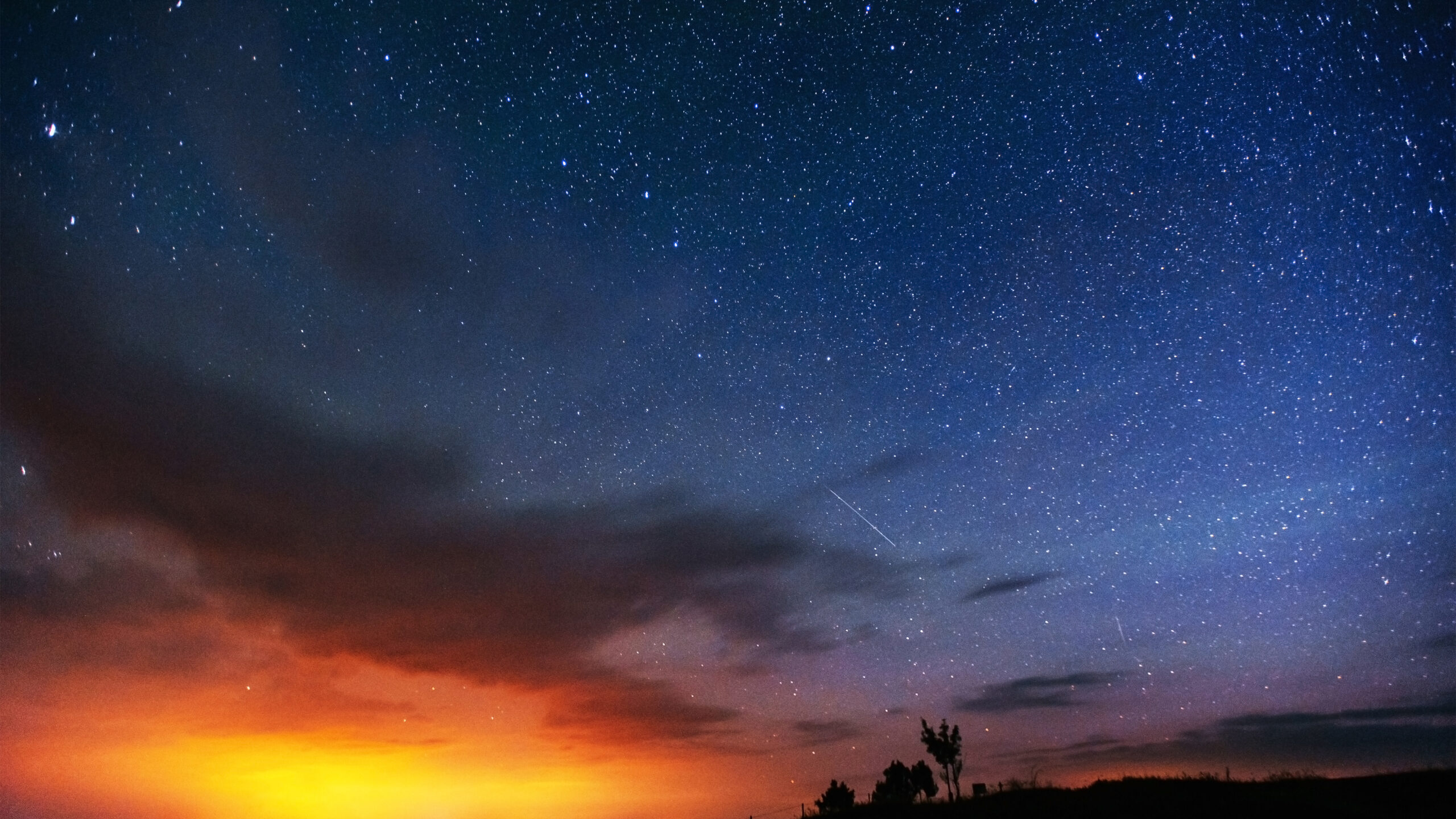
LOOK UP: See The Best Stargazing Spectacle Above Oregon This December - Source thatoregonlife.com
Unveiling The Majestic Geminid Meteor Shower: A Celestial Symphony
The Geminid meteor shower is an annual celestial event that occurs in mid-December. It is one of the most prolific meteor showers of the year, with up to 120 meteors per hour visible under ideal conditions. The Geminids are caused by debris from the asteroid 3200 Phaethon, which orbits the sun every 1.4 years. When Phaethon passes close to the sun, its surface material vaporizes and is ejected into space. This debris then collides with the Earth's atmosphere, creating the Geminid meteor shower.

Perseids to peak this weekend: How to see best meteor shower of year - Source www.usatoday.com
The Geminids are unique in that they are the only major meteor shower that is not associated with a comet. Most meteor showers are caused by the Earth passing through the debris trail of a comet. However, the Geminids are caused by the Earth passing through the debris trail of an asteroid. This makes the Geminids a unique and special celestial event.
The Geminids are a popular target for meteor watchers around the world. The best time to view the Geminids is on the night of December 13/14. The shower will be visible all night long, but it will be most active between midnight and dawn. To view the Geminids, find a dark location with a clear view of the sky. Lie back on a blanket or chair and look up. After your eyes have adjusted to the darkness, you will begin to see meteors streaking across the sky.
The Geminids are a beautiful and awe-inspiring celestial event. If you have the opportunity, take some time to view the Geminids this December. You won't be disappointed.
| Name | Date | Peak Activity |
|---|---|---|
| Geminid | December 13-14 | Midnight to dawn |


0 comments:
Post a Comment