Official Languages Of The United Nations: A Guide To Communication And Diplomacy
The United Nations is a global organization dedicated to promoting international cooperation and maintaining world peace. Communication is essential for the UN to effectively carry out its mission, and the use of official languages plays a crucial role in ensuring clear and efficient communication among its member states.

Interesting Map/Infographic: “6 UN languages world-wide” | Language map - Source www.pinterest.com.au
Editor's Note: "Official Languages Of The United Nations: A Guide To Communication And Diplomacy" has been published today to provide a comprehensive understanding of the official languages used by the United Nations and their importance in international communication and diplomacy.
This guide aims to provide an overview of the official languages of the United Nations, their role in communication and diplomacy, and the benefits of using official languages in international discourse. By understanding the significance and implications of these official languages, individuals and organizations can enhance their communication strategies and contribute to a more effective and inclusive global dialogue.
Explore the main article topics:
FAQ
Delve into frequently asked questions to gain a comprehensive understanding of the official languages of the United Nations and their crucial role in communication and diplomacy.

Sign Languages Unite Us! : Girls’ Education South Sudan - Source girlseducationsouthsudan.org
Question 1: What are the official languages of the United Nations?
The six official languages of the United Nations are Arabic, Chinese, English, French, Russian, and Spanish. These languages serve as the medium of communication for all official proceedings and documentation within the organization.
Question 2: Why are multiple official languages used?
The use of multiple official languages ensures that all member states have equal access to information and can fully participate in discussions and decision-making processes. It promotes inclusivity, transparency, and understanding among nations.
Question 3: How are official languages chosen?
Official languages are typically chosen based on historical, political, and practical considerations. The United Nations' official languages reflect the diverse linguistic heritage and global representation of its member states.
Question 4: What are the benefits of having official languages?
Official languages facilitate effective communication, enhance understanding, and foster collaboration among member states. They promote multilingualism, cultural diversity, and inclusivity in international relations.
Question 5: How are official languages used in practice?
Official languages are used in all official documents, speeches, debates, and negotiations within the United Nations. Interpretation services are provided to ensure that all delegates can participate fully and understand the proceedings in their preferred language.
For further insights, refer to the comprehensive guide "Official Languages Of The United Nations: A Guide To Communication And Diplomacy."
The use of official languages in the United Nations underscores the importance of communication and diplomacy in fostering international cooperation and understanding.
Explore the next article section for additional insights into the official languages of the United Nations and their impact on international relations.
Tips
Effective communication in international diplomacy and organizations requires careful consideration of language usage. Here are some practical tips to enhance communication and build stronger relationships:
Tip 1: Respect the Language Hierarchy
In UN-related communication, the six official languages hold equal status. However, the host country may designate a working language. Respecting this hierarchy ensures clear understanding and inclusivity.
Tip 2: Use Clear and Concise Language
Avoid jargon, technical terms, and ambiguous phrasing. Use simple, precise language that conveys ideas effectively. This fosters clarity and minimizes misunderstandings.
Tip 3: Be Aware of Cultural Differences
Language reflects cultural nuances. Pay attention to the cultural context and avoid making assumptions. Respecting cultural differences promotes effective communication and avoids misunderstandings.
Tip 4: Practice Active Listening
During negotiations, resolve conflicts, and build trust. Pay attention to both verbal and nonverbal cues, ask clarifying questions, and paraphrase to ensure comprehension.
Tip 5: Use Diplomatic Language
Employ diplomatic language to avoid offense and maintain respectful communication. Use phrases like "I would like to suggest" or "May I inquire" rather than confrontational language.
Tip 6: Seek Professional Translation
When translating sensitive documents or speeches, engage the services of professional translators. Accurate translation ensures precise communication across language barriers.
Key Takeaways:
- Follow the language hierarchy in UN-related communication.
- Use clear and concise language.
- Respect cultural differences when using language.
- Practice active listening to enhance understanding.
- Employ diplomatic language to maintain professional communication.
- Seek professional translation for accurate communication.
Official Languages Of The United Nations: A Guide To Communication And Diplomacy
The United Nations (UN) has six official languages, namely Arabic, Chinese, English, French, Russian, and Spanish. These languages are used for all official communication and documentation, including resolutions, speeches, and reports. The choice of these six languages was made to reflect the diversity of the UN's membership and to ensure that all member states have equal access to information and participation in the organization.
- Communication: The UN's official languages are used to facilitate communication between member states, Secretariat staff, and other stakeholders.
- Diplomacy: The use of official languages in diplomacy ensures that all parties are on the same page and that there is no misunderstanding or miscommunication.
- Diversity: The six official languages represent the diversity of the UN's membership, ensuring that all regions and cultures are represented.
- Efficiency: The use of official languages streamlines communication and avoids the need for multiple translations, saving time and resources.
- Equality: The use of official languages ensures that all member states have equal access to information and can participate fully in the UN's activities.
- History: The six official languages were chosen based on historical factors, such as the languages of the victorious powers in World War II and the languages of major international organizations.
In conclusion, the six official languages of the UN play a crucial role in communication, diplomacy, and equality within the organization. They reflect the diversity of the UN's membership, facilitate efficient communication, and ensure that all member states have equal access to information and participation. The choice of these languages has been shaped by both historical and practical considerations, and they continue to serve as essential tools for international cooperation and understanding.
United Nations Guide to the Youth Delegate Programme 2nd Edition | UN - Source desapublications.un.org

Official Languages Of The United Nations: A Guide To Communication And Diplomacy
The six official languages of the United Nations (UN) are Arabic, Chinese, English, French, Russian, and Spanish. These languages were chosen for a variety of reasons, including their geographic distribution, the number of people who speak them, and their historical and cultural importance.
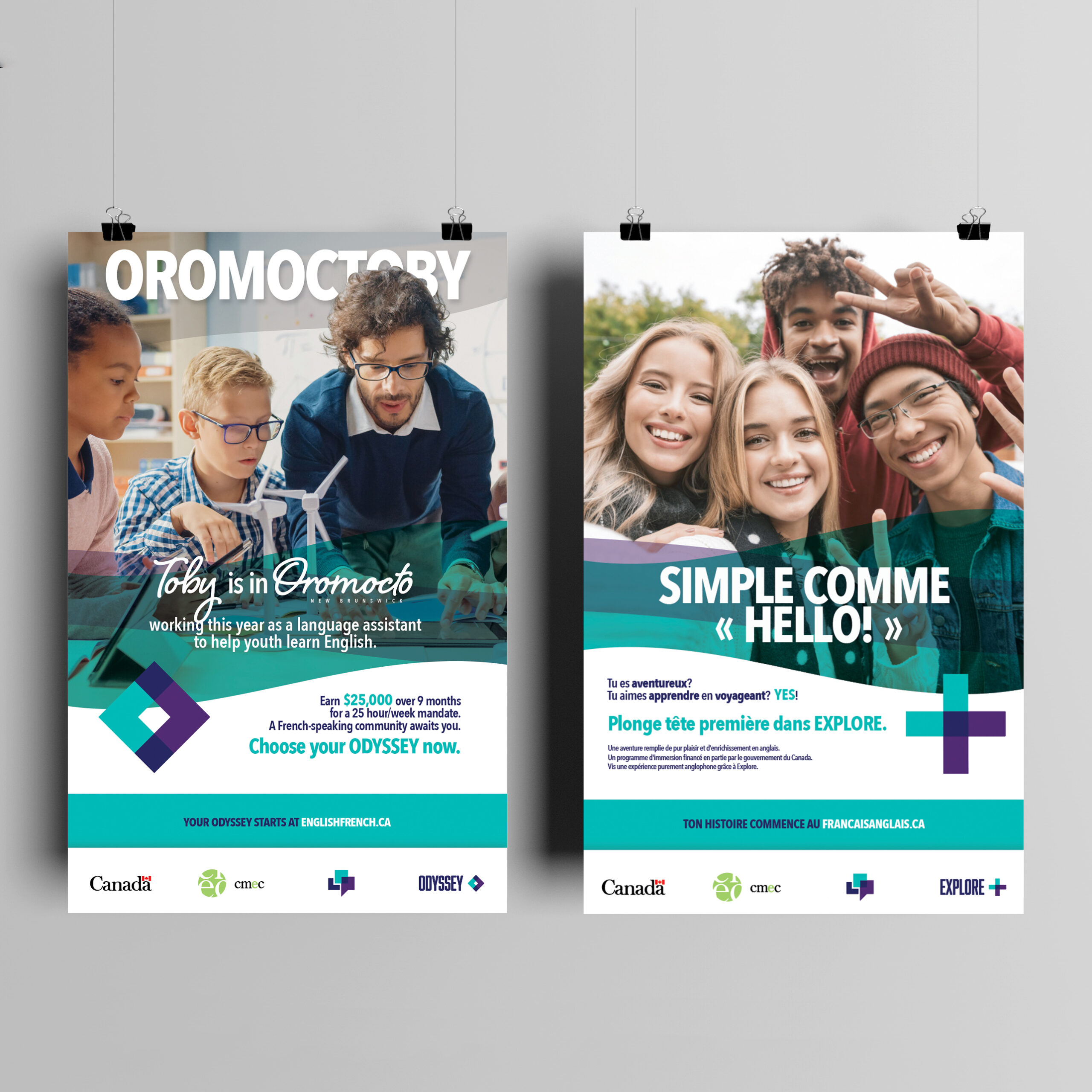
Official Languages Programs (OLP) | Cayenne Creative - Source cayennecreative.ca
The use of these six languages ensures that all member states of the UN have an equal voice in the organization's deliberations. It also helps to promote understanding and cooperation among the different cultures and regions of the world.
The official languages of the UN are used in all of the organization's official documents, including resolutions, reports, and treaties. They are also used in all of the UN's official meetings, including the General Assembly, the Security Council, and the Economic and Social Council.
The use of the six official languages is essential for the effective functioning of the UN. It ensures that all member states have an equal voice in the organization's deliberations and that all of the UN's official documents are accessible to all member states.
Conclusion
The six official languages of the UN are a vital part of the organization's ability to communicate effectively with its member states and the world at large. They ensure that all member states have an equal voice in the UN's deliberations and that all of the UN's official documents are accessible to all member states.
The use of the six official languages is essential for the effective functioning of the UN. It is a testament to the organization's commitment to multilingualism and to the principle that all cultures and languages are of equal value.


0 comments:
Post a Comment