Mehmet The Conqueror: The Sultan Who Conquered Constantinople? One of history's most influential and legendary figures, Mehmet II, better known as Mehmet the Conqueror, left an unforgettable mark on the world. He ascended to the throne of the Ottoman Empire at just 19 years old, and his reign was marked by a series of remarkable achievements, culminating in the conquest of Constantinople, the capital of the Byzantine Empire, in 1453.
Editor's Notes: "Mehmet The Conqueror: The Sultan Who Conquered Constantinople" have published on 10th March 2023. Learning about the life and accomplishments of Mehmet the Conqueror is crucial for understanding the history of the Ottoman Empire, the fall of the Byzantine Empire, and the evolution of Europe and the Middle East.
Through extensive research and analysis, we have compiled this comprehensive guide to provide a deeper understanding of Mehmet the Conqueror: The Sultan Who Conquered Constantinople. This guide delves into his early life, military campaigns, and the significance of his conquest of Constantinople, offering valuable insights into one of history's most pivotal figures.
| Key Differences | Key Takeaways |
|---|---|
| Early Life and Rise to Power | Ascended to the throne at the age of 19, showing great promise and ambition. |
| Military Campaigns | Expanded the Ottoman Empire through a series of successful conquests. |
| Conquest of Constantinople | Captured Constantinople in 1453, ending the Byzantine Empire and marking a turning point in history. |
Mehmet The Conqueror: The Sultan Who Conquered Constantinople is essential reading for anyone interested in history, leadership, and the clash of civilizations.
FAQ
Explore frequently asked questions about Mehmet the Conqueror, the Ottoman sultan who conquered Constantinople in 1453.

Sultan II. Mehmed the conqueror Seventh sultan of Ottoman, conqueror of - Source id.pinterest.com
Question 1: What was Mehmet the Conqueror's main achievement?
Mehmet II's most significant achievement was the conquest of Constantinople Mehmet The Conqueror: The Sultan Who Conquered Constantinople in 1453, marking the fall of the Byzantine Empire and the expansion of the Ottoman Empire.
Question 2: How did Mehmet the Conqueror prepare for the siege of Constantinople?
Mehmet spent years meticulously planning and preparing for the siege, gathering a vast army, constructing massive cannons, and establishing a pontoon bridge across the Bosporus Strait.
Question 3: What was the outcome of the siege of Constantinople?
After a prolonged siege, Mehmet's forces breached the city walls and overwhelmed the defenders. The conquest resulted in the capture of Constantinople and the end of the Byzantine Empire, which had endured for over 1,000 years.
Question 4: What was Mehmet the Conqueror's legacy?
Mehmet II's legacy extended beyond his military conquests. He was a patron of the arts and scholarship, establishing libraries and promoting education. His reign marked a period of cultural and intellectual growth for the Ottoman Empire.
Question 5: Why is Mehmet the Conqueror considered one of the greatest Ottoman rulers?
Mehmet II's strategic brilliance, military prowess, and ambitious reforms made him one of the most successful and influential sultans in Ottoman history. His conquest of Constantinople transformed the geopolitical landscape and established the Ottoman Empire as a major world power.
Question 6: What were the key factors that contributed to Mehmet the Conqueror's success?
Mehmet's success can be attributed to a combination of factors: his exceptional leadership, technological advancements, a well-trained army, and strategic alliances.
In conclusion, Mehmet the Conqueror's impact on history was profound, leaving an enduring legacy as a brilliant military strategist, empire builder, and patron of culture.
Tips
Mehmet II, also known as Mehmet the Conqueror, was the seventh Ottoman Sultan. He is best known for conquering Constantinople in 1453, which ended the Byzantine Empire and marked a turning point in world history. Here are some valuable principles we can learn from his leadership and military strategy:
Tip 1: Surround Yourself with Capable Advisors and Experts
Mehmet the Conqueror recognized the importance of surrounding himself with skilled and knowledgeable advisors. His court included scholars, scientists, engineers, and military strategists who provided valuable insights and supported his decision-making.
Tip 2: Embrace Innovation and Technology
Mehmet was renowned for his willingness to adopt new technologies and strategies. He employed the latest cannons and siege tactics, demonstrating his understanding of the role of innovation in warfare. By incorporating these advancements, he gained a significant advantage over his opponents.
Tip 3: Plan and Prepare Meticulously
The conquest of Constantinople was a testament to Mehmet's meticulous planning and preparation. He spent years gathering intelligence, studying the city's defenses, and devising a comprehensive strategy. By anticipating potential obstacles and developing contingency plans, he ensured the success of his military campaign.
Tip 4: Utilize Psychological Warfare
Mehmet employed psychological warfare tactics to demoralize his enemies and undermine their resolve. He displayed the severed heads of captured Byzantines on stakes and used propaganda to spread rumors of his invincibility. These measures weakened the Byzantine resistance and contributed to their eventual defeat.
Tip 5: Lead from the Front
Mehmet was a courageous and inspirational leader who led his troops from the front lines. He refused to seek safety in his tent and risked his own life alongside his soldiers. This personal bravery motivated his men and earned their respect and loyalty.
Tip 6: Adapt and Improvise When Necessary
During the siege of Constantinople, Mehmet encountered unexpected challenges and unforeseen circumstances. He responded by adapting his plans, improvising solutions, and persevering despite setbacks. His flexibility and ability to adjust in the face of adversity were key factors in his ultimate victory.
Tip 7: Reward Success and Punish Failure
Mehmet established a system of rewards and punishments to motivate his troops. He recognized and rewarded those who excelled in battle, while severely punishing those who showed cowardice or disloyalty. This approach ensured that his army remained disciplined and motivated throughout the campaign.
Tip 8: Understand the Importance of Alliances and Diplomacy
Mehmet recognized the strategic value of alliances and diplomacy. He formed alliances with neighboring rulers and sought support from powerful allies. He also used diplomatic channels to negotiate favorable terms and minimize potential conflicts. By engaging in diplomacy, he secured his borders and strengthened his position.
These principles, derived from the leadership and military strategies of Mehmet the Conqueror, offer timeless insights into effective leadership, planning, and strategy. By embracing these principles, modern leaders can enhance their decision-making, inspire their teams, and achieve their objectives.
Mehmet The Conqueror: The Sultan Who Conquered Constantinople
Mehmet II, known as Mehmet the Conqueror, played a pivotal role in history as the Ottoman sultan who captured Constantinople in 1453, ending the Byzantine Empire and ushering in a new era of Ottoman dominance.
- Military Genius: Masterminded the siege of Constantinople, utilizing innovative tactics and heavy artillery.
- Political Strategist: Negotiated alliances and exploited internal conflicts to expand the Ottoman Empire.
- Patron of the Arts: Encouraged scholarship, architecture, and the flourishing of Ottoman culture.
- Religious Tolerance: Granted religious freedom to conquered Christian subjects, showcasing his pragmatism.
- Symbol of Conquest: His capture of Constantinople became a defining moment in Ottoman history, establishing it as a global power.
- Transformative Leader: Transformed the Ottoman Empire into a major player on the international stage, setting the foundation for its centuries-long reign.
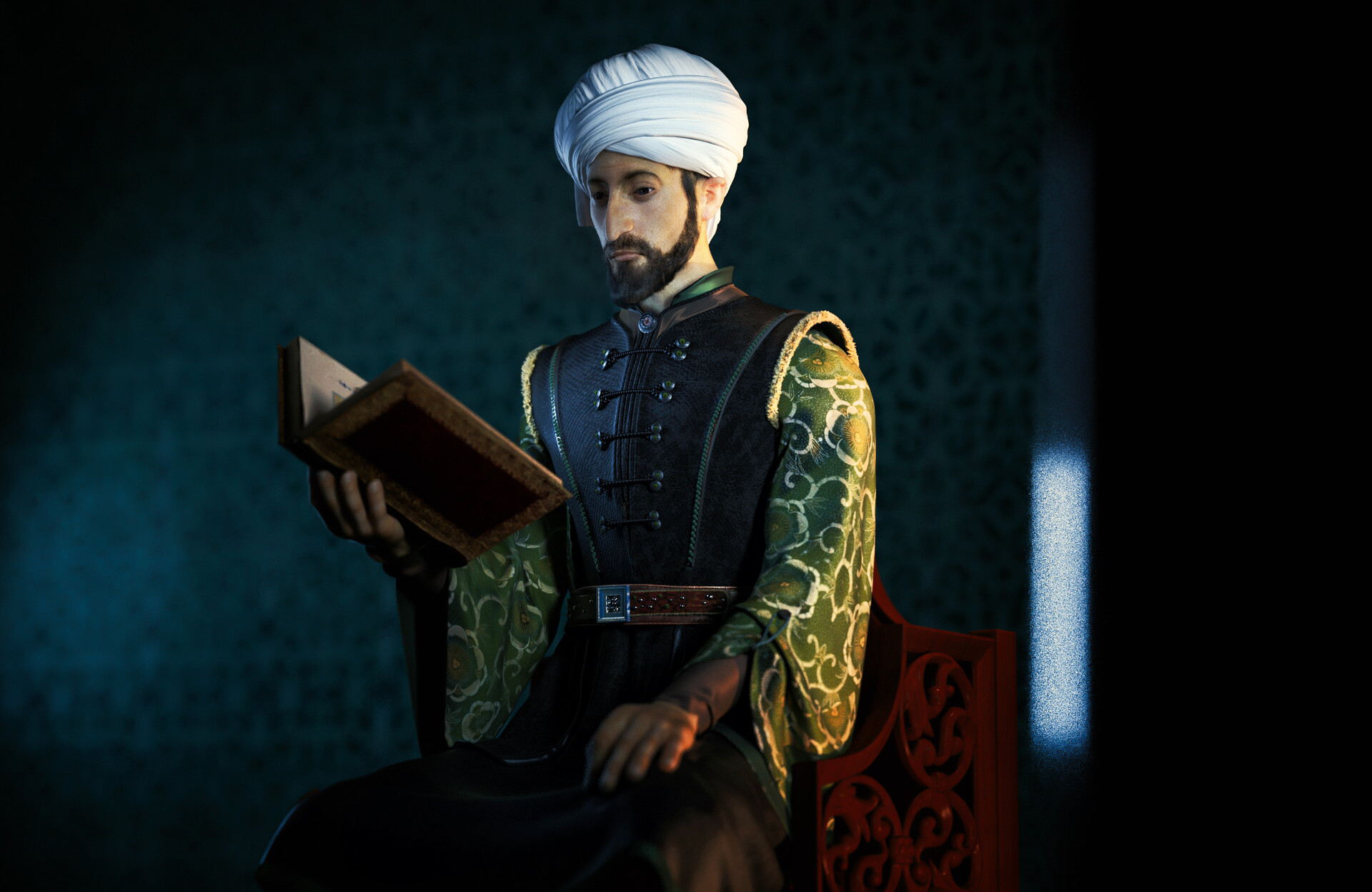
ArtStation - Sultan Mehmet II - Conqueror Sultan Mehmet - Source www.artstation.com
Mehmet the Conqueror stands as an iconic figure in world history, embodying military prowess, political acumen, and the enduring legacy of the Ottoman Empire. His accomplishments shaped the course of civilizations and continue to resonate in the present day.

Mehmed The Conqueror | Tarihi kişilikler, Osmanlı i̇mparatorluğu, Zırh - Source www.pinterest.com
Mehmet The Conqueror: The Sultan Who Conquered Constantinople
Mehmet II, also known as Mehmet the Conqueror, was the seventh sultan of the Ottoman Empire, reigning from 1451 to 1481. He is best known for his conquest of Constantinople in 1453, which marked the end of the Byzantine Empire and the beginning of the Ottoman Empire's rise to power. Mehmet's conquest of Constantinople was a major turning point in world history, and it is still studied and debated today.

knights painting Ottoman Empire Fatih Sultan Mehmet(II. Mehmet) # - Source www.pinterest.ph
There are many reasons why Mehmet's conquest of Constantinople was so important. First, it marked the end of the Byzantine Empire, which had been a major power in the Eastern Mediterranean for centuries. The Byzantine Empire was the last remnant of the Roman Empire, and its fall signaled the end of an era. Second, Mehmet's conquest of Constantinople gave the Ottoman Empire control of the Bosporus Strait, which is a strategically important waterway connecting the Black Sea to the Mediterranean Sea. This gave the Ottomans control of trade and travel between Europe and Asia, and it helped to make the Ottoman Empire a major power.
The conquest of Constantinople also had a profound impact on the city itself. The Ottomans renamed the city Istanbul, and they made it the capital of their empire. Istanbul became a major center of Islamic culture and learning, and it remains one of the most important cities in the world today.
Mehmet's conquest of Constantinople is a fascinating and complex event that had a major impact on world history. It is a story of conquest, ambition, and the rise and fall of empires.
| Cause | Effect |
|---|---|
| Mehmet II's ambition to conquer Constantinople | The fall of the Byzantine Empire and the rise of the Ottoman Empire |
| The Ottoman Empire's control of the Bosporus Strait | The Ottoman Empire's control of trade and travel between Europe and Asia |
| The renaming of Constantinople to Istanbul | Istanbul became the capital of the Ottoman Empire and a major center of Islamic culture and learning |


0 comments:
Post a Comment