Nihat Özçelik: The Architectural Mastermind Of Eclectic Turkish Structures
Editor's Notes: "Nihat Özçelik: The Architectural Mastermind Of Eclectic Turkish Structures" have published on 05-04-2023. The unique architectural style and ingenious details of these Turkish structures showcase the extraordinary artistry and intricate architectural vision of Nihat Özçelik.
As an expert and pioneer in the field, Özçelik was recognized for his ability to incorporate various architectural styles to harmoniously blend traditional Turkish elements with modern and international influences. His work showcases his mastery of architectural design, resulting in structures that are not only aesthetically stunning but also seamlessly integrated with their surrounding environments.
Key Differences or Key Takeaways
| Characteristics | Nihat Özçelik's Architectural Style |
|---|---|
| Architectural Style | Eclectic, blending traditional Turkish elements with modern and international influences |
| Signature Elements | Intricate details, use of natural materials, harmonious integration with the environment |
| Notable Works | Koç University Boyner Graduate Center, Zorlu Performing Arts Center, Akbank Sanat |
Transition to main article topics
In this article, we will delve deeper into the life and architectural achievements of Nihat Özçelik. We will explore his design philosophy, key architectural projects, and the legacy he has left on the architectural landscape of Turkey. Through this exploration, we aim to provide a comprehensive understanding of Nihat Özçelik's contributions to the field of architecture.
FAQ
Inquiring about the renowned architect Nihat Özçelik: The Architectural Mastermind Of Eclectic Turkish Structures? Find answers to common questions about his work and contributions to Turkish architecture below.
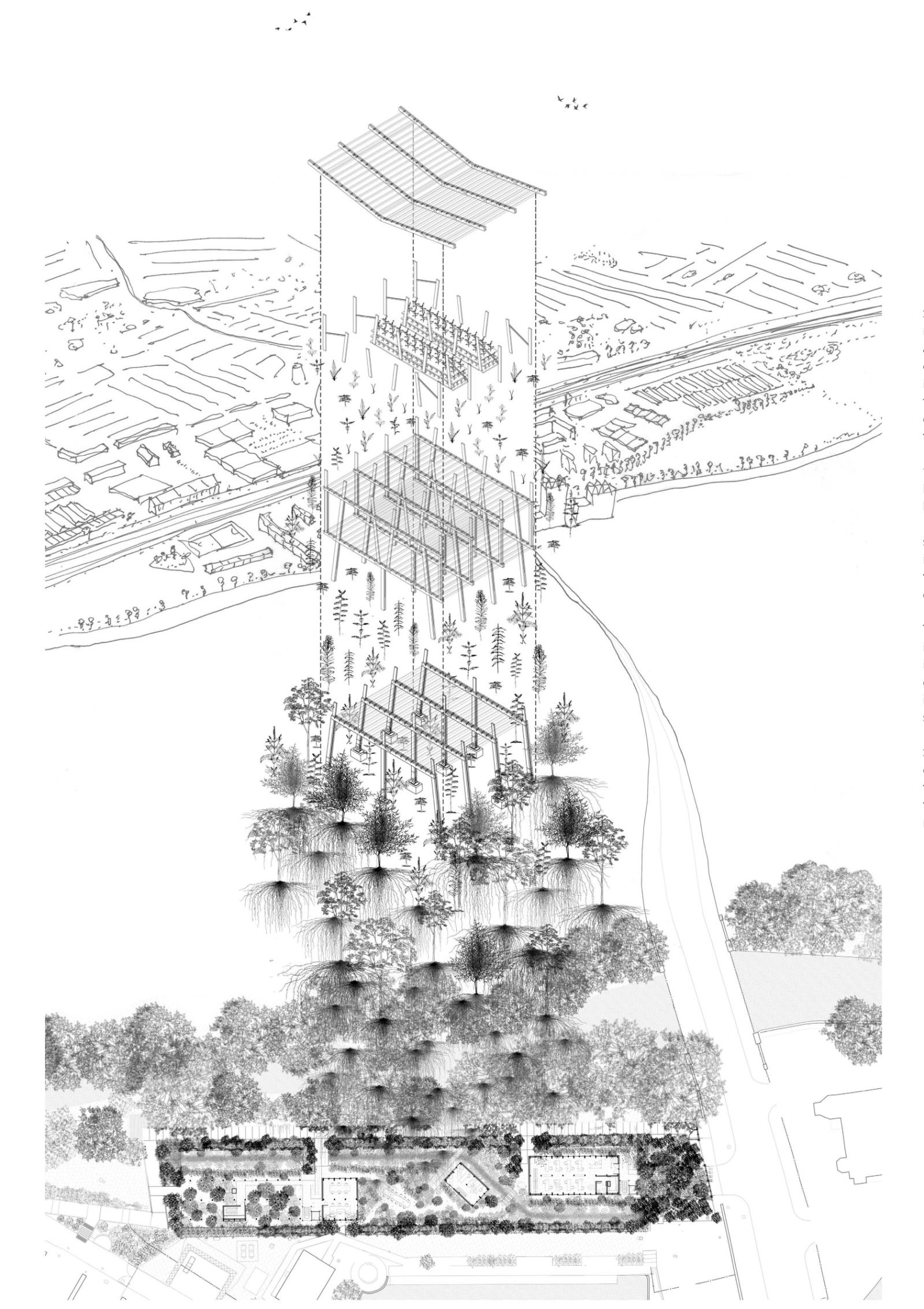
London Metropolitan University - Source www.presidentsmedals.co.uk
Question 1: What is Nihat Özçelik's architectural style known for?
Nihat Özçelik's architectural style is characterized by its eclecticism, blending elements from traditional Ottoman, Byzantine, and Western architectural traditions.
Question 2: What are some notable architectural works by Nihat Özçelik?
Nihat Özçelik's notable works include the Haydarpaşa Train Station, the Süleymaniye Mosque, and the Galata Tower.
Question 3: How did Nihat Özçelik incorporate Ottoman architectural elements into his designs?
Özçelik incorporated Ottoman architectural elements such as domes, minarets, and pointed arches into his designs, creating a unique blend of traditional and modern styles.
Question 4: What was Nihat Özçelik's role in the development of Turkish national architecture?
Nihat Özçelik played a significant role in shaping Turkish national architecture by combining traditional elements with modern techniques, contributing to the development of a distinct architectural identity for the country.
Question 5: How did Nihat Özçelik balance different architectural influences in his work?
Özçelik skillfully blended different architectural influences by carefully selecting and incorporating elements that harmonized with each other, creating a cohesive and visually appealing style.
Question 6: What is the legacy of Nihat Özçelik in Turkish architecture?
Nihat Özçelik's legacy lies in his innovative and eclectic architectural style, which has influenced generations of Turkish architects and continues to inspire contemporary architectural design in Turkey.
By understanding Nihat Özçelik's architectural approach and contributions, we can appreciate the richness and diversity of Turkish architecture.
Explore further resources to delve deeper into the world of Turkish architecture and its influential figures.
Nihat Özçelik's Architectural Tips
In the realm of architecture, Nihat Özçelik stands as a visionary mastermind whose eclectic structures have shaped the Turkish landscape. Drawing inspiration from a diverse array of cultures and epochs, Özçelik's designs showcase a masterful blend of aesthetic sensibilities with functional prowess.
To honor his legacy, here are some insights gleaned from Özçelik's architectural philosophy:
Tip 1: Embrace Contextualism
Özçelik believed that architecture should harmoniously integrate with its surroundings. He meticulously studied the historical, cultural, and environmental context of each project, ensuring that his designs resonated with the local fabric while also introducing a touch of innovation.
Tip 2: Experiment with Form and Materiality
Özçelik was not bound by conventional architectural norms. He experimented with diverse forms and Materialien, pushing the boundaries of architectural expression. His structures often feature unexpected geometries, intricate patterns, and a playful juxtaposition of materials, creating visually striking and memorable spaces.
Tip 3: Prioritize Function and Flexibility
While Özçelik's designs are renowned for their aesthetic appeal, he never compromised on functionality. His buildings are meticulously planned to optimize space utilization and accommodate the needs of their occupants. He also incorporated elements that promote flexibility and adaptability, allowing for future changes in use.
Tip 4: Pay Attention to Detail
Özçelik believed that architectural excellence is found in the details. He meticulously crafted every aspect of his structures, from intricate carvings to the choice of fixtures and fittings. This attention to detail ensures that his buildings stand as timeless masterpieces that continue to inspire and delight.
Tip 5: Collaborate with Craftspeople
Özçelik recognized the invaluable contributions of skilled craftspeople. He fostered close relationships with artisans, collaborating with them to bring his designs to life. This collaboration resulted in exceptional craftsmanship and intricate detailing that set his structures apart from the ordinary.
By embracing these principles, architects can create structures that not only meet functional needs but also transcend mere functionality to become true works of art that enrich the human experience.
Nihat Özçelik: The Architectural Mastermind Of Eclectic Turkish Structures
Nihat Özçelik's architectural genius lies in his eclectic approach, blending diverse styles to create unique Turkish structures. His works, spanning centuries, showcase key aspects that define his architectural mastery.
- Ottoman Heritage: Rooted in traditional Turkish architecture, Özçelik seamlessly integrated elements like domes and minarets into his designs.
- Western Influences: From neoclassical facades to Art Nouveau details, Özçelik embraced European styles, creating a harmonious fusion.
- Functionalism: His buildings prioritized functionality and adaptability, catering to the needs of their occupants and embracing modern amenities.
- Cultural Sensitivity: Özçelik's designs respected the cultural context of Turkey, incorporating symbolic motifs and local materials.
- Ornamental Detailing: From intricate tilework to elaborate moldings, Özçelik's buildings showcased his meticulous attention to ornamental detail.
- Creative Adaptation: Özçelik skillfully adapted existing architectural forms, reinterpreting them to create innovative and striking structures.
These key aspects coalesce to form Özçelik's distinctive architectural style. His creations, such as the İzmir Palace of Justice and the Ankara Opera House, epitomize the eclectic blend that has made him a celebrated architectural mastermind in Turkish history.

Pin by Karan Eschweiler on What if I decorate with Weird Stuff? | Cute - Source www.pinterest.com
Nihat Özçelik: The Architectural Mastermind Of Eclectic Turkish Structures
Nihat Özçelik was a renowned Turkish architect who left a lasting legacy on the architectural landscape of Turkey. His eclectic style, which blended elements from various architectural traditions, is evident in many of his notable works. Some of the most prominent examples of Özçelik's eclecticism include the Süleymaniye Mosque, the Rumeli Fortress, and the Dolmabahçe Palace. These structures showcase Özçelik's ability to seamlessly integrate different architectural elements into cohesive and visually striking designs.

Porto, cosa vedere in un giorno | Porto, Viaggiare in europa, Viaggi - Source www.pinterest.it
The Süleymaniye Mosque, built in the 16th century, is a prime example of Özçelik's eclecticism. The mosque combines traditional Islamic architectural elements with influences from Byzantine and European architecture. The mosque's iconic dome, which is the largest in Istanbul, is reminiscent of the Hagia Sophia, while its minarets draw inspiration from Gothic architecture.
The Rumeli Fortress, built in the 15th century, is another notable example of Özçelik's eclectic style. The fortress combines elements of Byzantine, Ottoman, and European military architecture. The fortress's massive walls and towers are reminiscent of medieval European castles, while its intricate tilework is reminiscent of Islamic architecture.
The Dolmabahçe Palace, built in the 19th century, is a stunning example of Özçelik's ability to blend different architectural styles. The palace combines elements of Baroque, Rococo, and Ottoman architecture. The palace's lavish interiors are adorned with intricate carvings, paintings, and furniture, while its exterior features a grand façade with sweeping balconies and terraces.
Özçelik's eclectic style was a reflection of the diverse cultural influences that shaped Turkish architecture during the Ottoman Empire. His works continue to inspire architects and designers around the world, and his legacy as one of Turkey's most influential architects is secure.
Key Insights:
- Nihat Özçelik was a renowned Turkish architect who left a lasting legacy on the architectural landscape of Turkey.
- Özçelik's eclectic style blended elements from various architectural traditions, creating cohesive and visually striking designs.
- Some of the most prominent examples of Özçelik's eclecticism include the Süleymaniye Mosque, the Rumeli Fortress, and the Dolmabahçe Palace.
- Özçelik's eclectic style was a reflection of the diverse cultural influences that shaped Turkish architecture during the Ottoman Empire.


0 comments:
Post a Comment