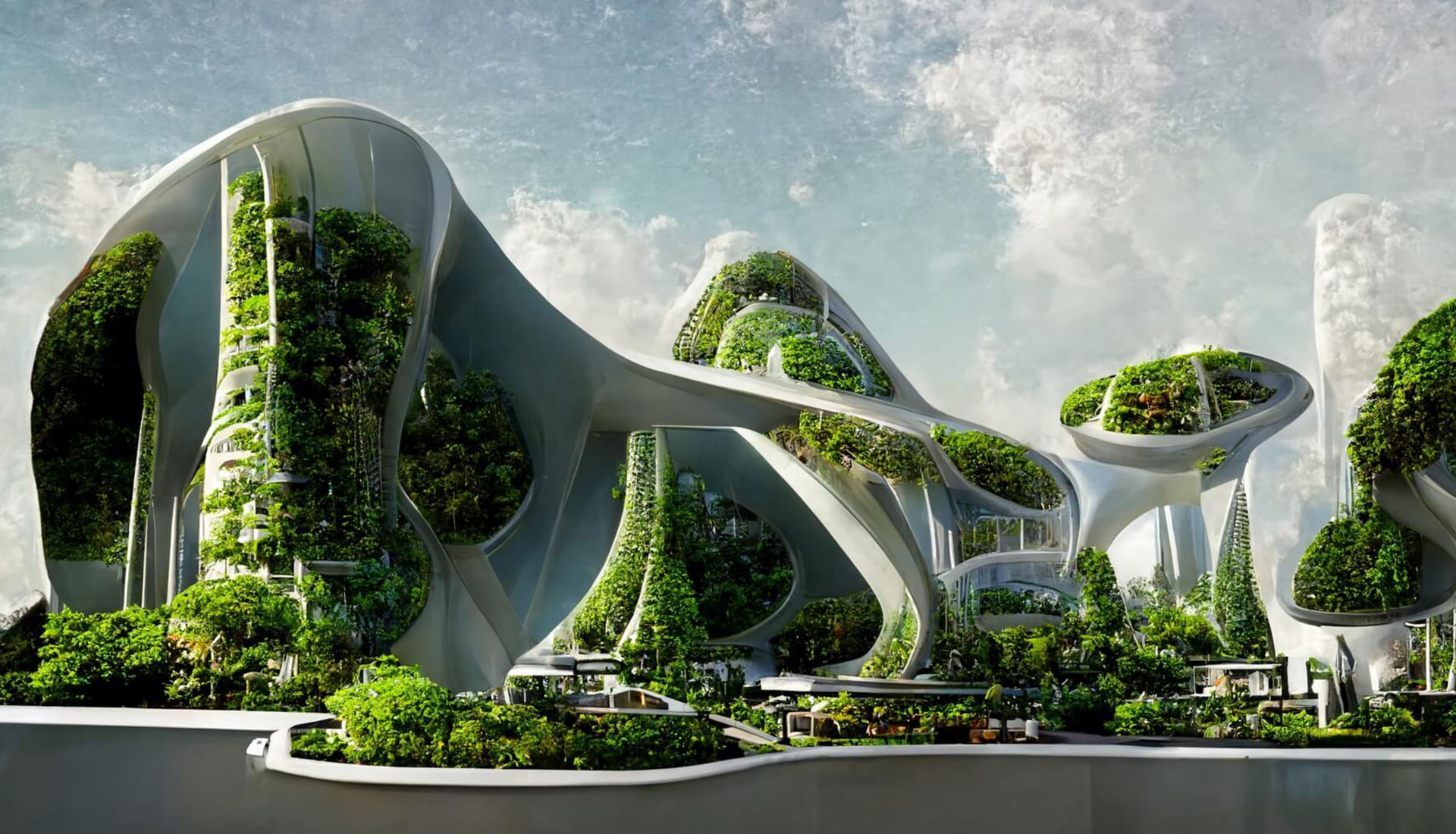
10 строительных материалов будущего - Source www.interior.ru
Editor's Notes: Michael Young: Architect Of Sustainable Cities have published today date. This is an important topic to read. As the world's population continues to grow, the need for sustainable cities becomes increasingly important. Michael Young was a pioneer in the field of sustainable architecture, and his work has helped to shape the way we think about cities today.
In this Michael Young: Architect Of Sustainable Cities guide, we'll explore Young's life and work. We'll also discuss the importance of sustainable cities, and how Young's work can help us to create a more sustainable future.
Informative table format |
|---|
| Focuses on the work of Michael Young, a pioneer in sustainable architecture. |
| Explains the importance of sustainable cities and how Young's work can help us to create a more sustainable future. |
| Provides practical tips for creating more sustainable cities. |
FAQ
This FAQ section addresses some of the most frequently asked questions about Michael Young: Architect Of Sustainable Cities and his approach to sustainable urban design.

Famed architect Michael Graves, in a wheelchair, widens his design - Source www.pinterest.com
Question 1: What is sustainable urban design?
Sustainable urban design is a holistic approach to planning and developing cities that meet the needs of present and future generations without compromising the environment. It emphasizes the integration of social, economic, and environmental considerations to create livable, resilient, and equitable urban environments.
Question 2: What are the key principles of sustainable urban design?
The key principles of sustainable urban design include: compact development, mixed-use development, transit-oriented development, green building, and energy efficiency. These principles aim to reduce urban sprawl, promote walkability and public transportation, minimize environmental impact, and create vibrant and sustainable communities.
Question 3: How can sustainable urban design benefit cities?
Sustainable urban design offers numerous benefits for cities, including improved air and water quality, reduced greenhouse gas emissions, increased resilience to climate change, enhanced economic vitality, and improved social equity. By creating livable and sustainable urban environments, sustainable urban design can contribute to the well-being of both current and future residents.
Question 4: What are the challenges to implementing sustainable urban design?
Implementing sustainable urban design can be challenging due to factors such as limited resources, political constraints, and resistance to change. However, the long-term benefits of sustainable urban design outweigh the challenges, and cities are increasingly recognizing the importance of adopting sustainable practices.
Question 5: What can individuals do to promote sustainable urban design?
Individuals can support sustainable urban design by choosing to live in walkable and transit-accessible neighborhoods, reducing their environmental footprint, and advocating for policies that promote sustainability. By engaging in these actions, individuals can contribute to the creation of more sustainable and livable cities.
Question 6: What is the future of sustainable urban design?
The future of sustainable urban design is bright. As cities continue to grow and face increasing environmental and social challenges, the adoption of sustainable urban design principles will become increasingly critical. By embracing sustainable practices, cities can create more livable, resilient, and equitable environments for future generations.
To learn more about sustainable urban design, visit the website of Michael Young: Architect Of Sustainable Cities.
To learn more about sustainable urban design, visit the website of Michael Young: Architect Of Sustainable Cities.
Tips
Urban planning and architecture expert Michael Young emphasizes the importance of integrating sustainability principles into infrastructure development. Here are some of his key tips for creating eco-friendly and resilient cities:
Tip 1: Prioritize Public Transportation and Walkability
Reduce dependence on cars by enhancing public transit networks, promoting cycling, and designing neighborhoods that encourage pedestrian activity. This reduces carbon emissions, improves air quality, and fosters a healthier and more connected community.
Tip 2: Implement Green Building Standards
Incorporate energy-efficient materials, renewable energy sources, and sustainable construction practices into buildings. Green buildings minimize environmental impact, lower utility costs, and promote occupant well-being.
Tip 3: Utilize Green Infrastructure
Utilize parks, green roofs, and permeable pavements to absorb stormwater, reduce heat island effects, and create habitat for wildlife. Green infrastructure enhances urban resilience to climate change and improves the overall quality of life.
Tip 4: Promote Urban Agriculture
Encourage urban residents to grow food in community gardens or rooftop farms. This provides access to fresh produce, reduces transportation emissions, and engages the community in sustainable practices.
Tip 5: Engage Communities in Planning
Involve local residents in decision-making processes related to urban development. Their insights and perspectives ensure that projects align with community needs and values, fostering long-term sustainability.
By implementing these principles, cities can create an urban environment that is both prosperous and sustainable, ensuring a better future for generations to come.
Michael Young: Architect Of Sustainable Cities
Michael Young, an acclaimed architect, has dedicated his career to shaping sustainable cities. His innovative designs and forward-thinking approaches have earned him recognition as a pioneer in urban planning. Let's explore six key aspects of his work:
- Biophilic Design: Integrating nature into urban environments to enhance well-being.
- Urban Density: Promoting compact and efficient cities to reduce sprawl and emissions.
- Renewable Energy: Utilizing solar, wind, and geothermal energy to power cities.
- Sustainable Transportation: Encouraging public transit, cycling, and walkability.
- Community Involvement: Engaging residents in the design process to foster a sense of ownership.
- Future-Proofing: Designing cities resilient to climate change and population growth.
By considering these aspects, Michael Young's work has transformed cities into sustainable, livable spaces. His biophilic designs reconnect urban dwellers with nature, improving their mental and physical health. By promoting urban density, he reduces suburban sprawl and its environmental impact. His innovative use of renewable energy sources and sustainable transportation systems minimizes cities' carbon footprint. Young's inclusive approach ensures that communities are invested in their built environment, leading to a stronger sense of belonging and purpose. Ultimately, his future-proofing strategies prepare cities for challenges such as climate change, ensuring their sustainability for generations to come.
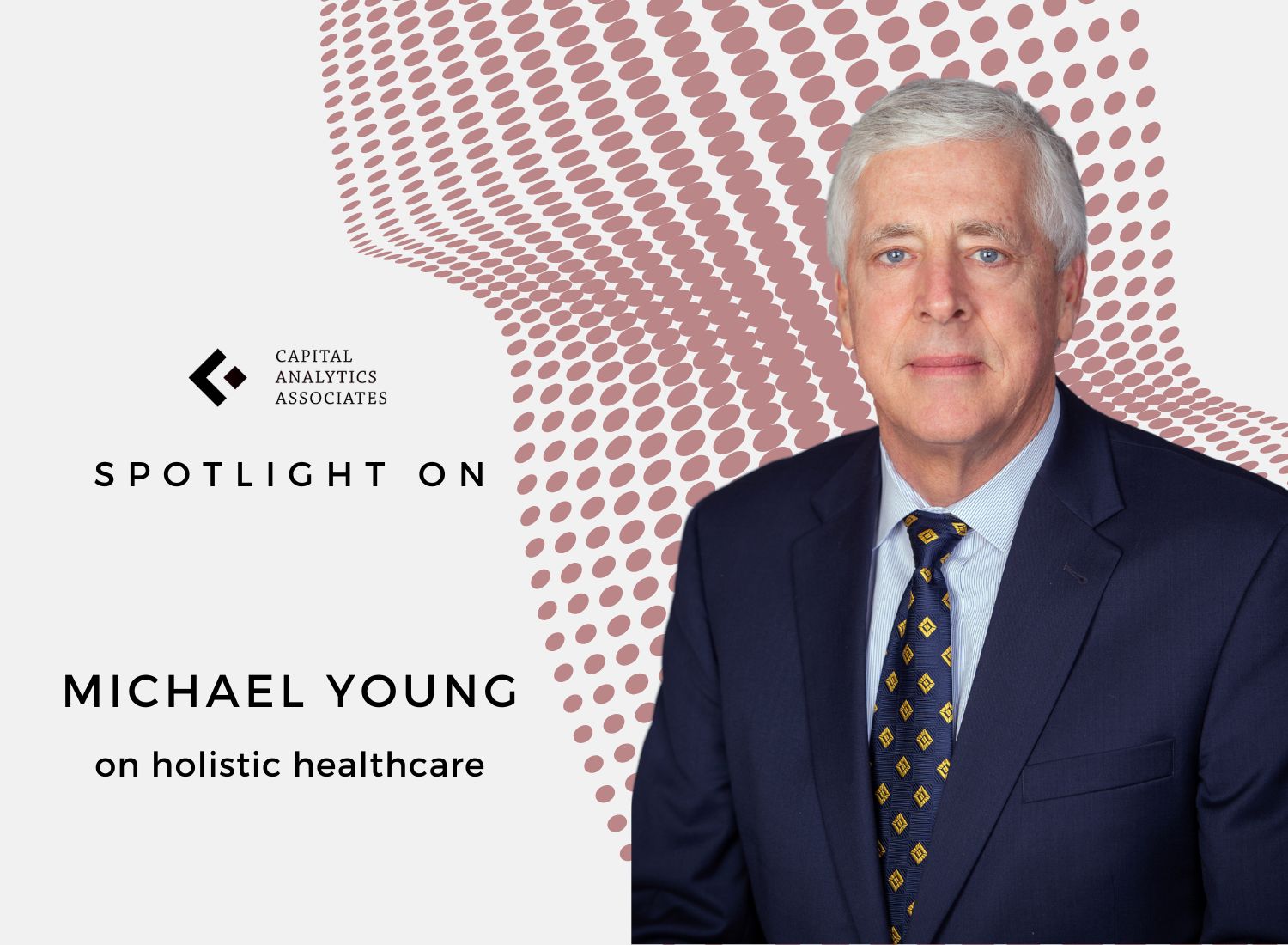
Spotlight On: Michael Young, President & CEO, Temple Health - Source capitalanalyticsassociates.com
Michael Young: Architect Of Sustainable Cities
Michael Young, an esteemed architect, has dedicated his career to the design and construction of sustainable cities, recognizing their crucial role in addressing global challenges. His work has garnered international recognition for its innovative and effective solutions in environmental preservation, community development, and economic growth.
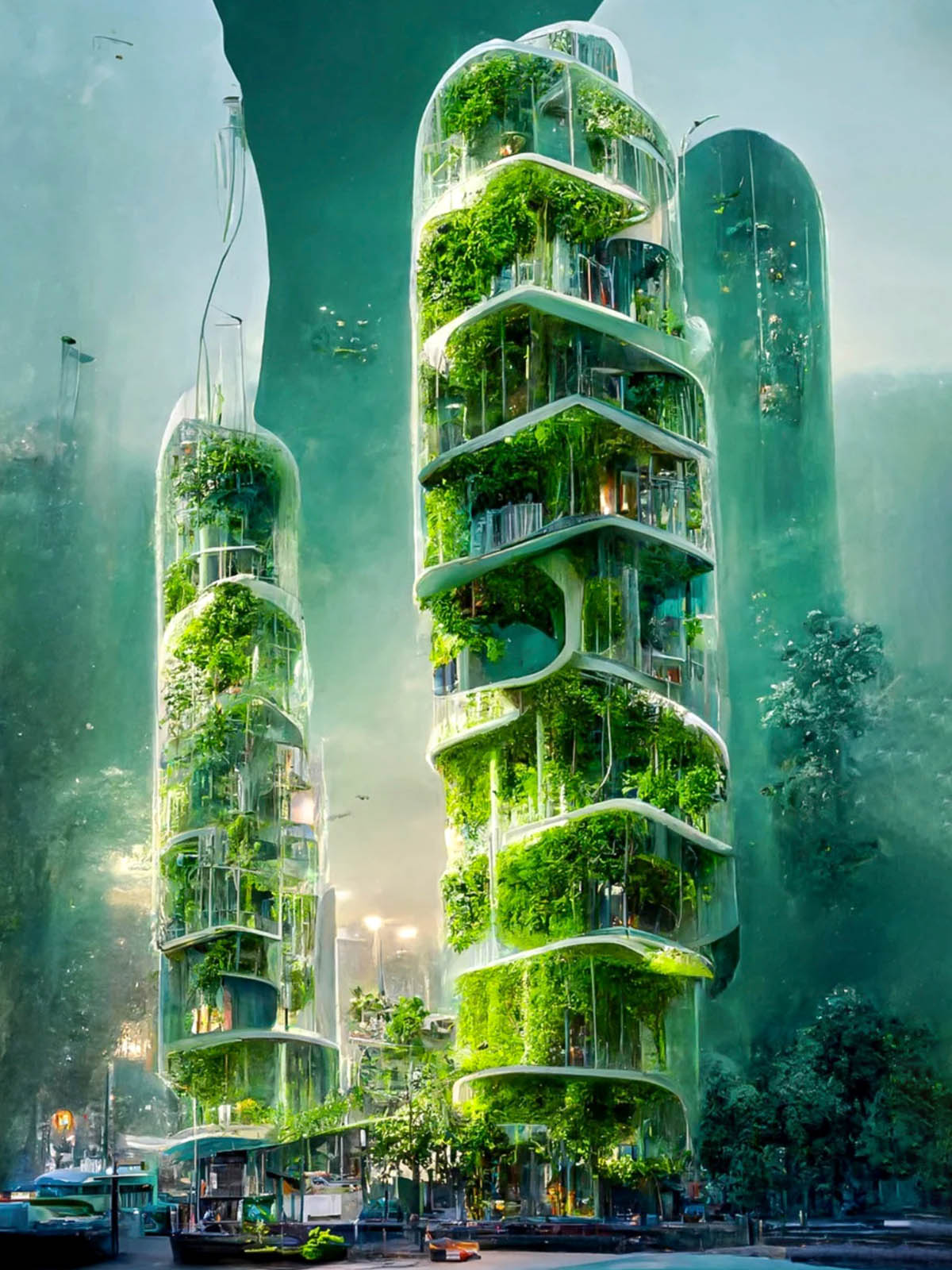
Manas Bhatia Uses AI in his Biophilic Architectural Designs - Source thursd.com
One notable example of Young's sustainable design is the Sino-Singapore Tianjin Eco-City, where he served as the chief planner. This city incorporates numerous eco-friendly features, such as advanced energy-efficient systems, comprehensive water recycling and conservation measures, and transportation systems designed to prioritize pedestrians and cyclists. The result is a thriving urban environment that maintains a delicate balance with its natural surroundings, serving as a model for sustainable cities worldwide.
Young's approach emphasizes community engagement and participatory design, ensuring that cities are tailored to the specific needs and aspirations of their residents. By fostering a sense of ownership and responsibility, Young empowers communities to adopt sustainable practices, leading to long-term environmental stewardship and improved well-being.
Moreover, Young's work demonstrates the economic benefits of sustainability. Sustainable cities often attract investment and innovation, creating new industries and jobs related to clean energy, green building, and sustainable transportation. By promoting economic growth while preserving the environment, Young's designs contribute to a more prosperous and equitable society.
Young's legacy extends beyond individual projects, as he has actively advocated for sustainable urban planning policies and practices at national and international levels. He has influenced urban development agendas, raising awareness about the importance of sustainability and inspiring others to adopt similar approaches in their own cities.
In conclusion, Michael Young's contributions as an architect of sustainable cities are invaluable. His innovative designs, community-centric approach, and unwavering commitment to environmental preservation have left a lasting impact on urban development worldwide. By demonstrating the feasibility, desirability, and economic viability of sustainable cities, Young has inspired countless others to embrace sustainability as an essential pillar of urban planning and design.
Conclusion
Michael Young's unwavering dedication to sustainable urban design has revolutionized how architects and planners approach city development and fostered a global movement towards creating more livable and sustainable cities.
His visionary work serves as a blueprint for future generations, inspiring architects, policymakers, and citizens alike to embrace sustainability as an essential element of urban planning and design. By continuing to champion sustainable practices and investing in innovative solutions, we can create cities that are not only economically vibrant but also environmentally responsible, ensuring a thriving and resilient future for generations to come.


0 comments:
Post a Comment