Confused about the current raw milk prices? Don't worry; we've got you covered with "Current Raw Milk Prices: A Comprehensive Guide For Consumers"!
To help you navigate the complexities of raw milk pricing, we've done extensive research and analysis, culminating in this comprehensive guide. This guide will provide you with a clear understanding of current raw milk prices, helping you make the best choice for your health and budget.
| Key Differences | Raw Milk | Pasteurized Milk |
|---|---|---|
| Heat Treatment | Untreated | Heated to kill bacteria |
| Nutritional Value | Higher levels of vitamins, minerals, and enzymes | Lower levels of nutrients due to heat treatment |
| Safety | Potential risk of bacteria if not handled properly | Safer due to heat treatment |
Now that you have a better understanding of raw milk, let's explore the factors that influence its pricing and provide tips for finding the best deals.
FAQ
This article serves as a comprehensive guide for consumers seeking information on current raw milk prices. Here, we address frequently asked questions and misconceptions to provide clarity on this topic.

Raw Milk in Florida: Despite advocates, CDC calls raw milk a risky food - Source www.jacksonville.com
Question 1: What is the average price of raw milk?
The average price of raw milk can vary depending on location, production costs, and market demand. According to Current Raw Milk Prices: A Comprehensive Guide For Consumers, the average price in the United States ranges from $1.50 to $3.00 per gallon.
Question 2: Is raw milk more expensive than pasteurized milk?
Generally, raw milk tends to be more expensive than pasteurized milk. This is due to the additional costs associated with producing and handling raw milk, such as refrigeration and testing.
Question 3: How can I find local raw milk producers?
There are several ways to find local raw milk producers. Consider checking farmers' markets, health food stores, or online directories specifically dedicated to finding raw milk sources in your area.
Question 4: What are the risks associated with consuming raw milk?
Consuming raw milk poses certain risks due to the potential presence of harmful bacteria, such as Salmonella and E. coli. It's essential to obtain raw milk from reputable producers and follow proper handling and storage practices.
Question 5: Are there any benefits to drinking raw milk?
Proponents of raw milk claim that it contains beneficial enzymes, bacteria, and nutrients not found in pasteurized milk. However, scientific evidence on the health benefits of raw milk remains inconclusive.
Question 6: Is it legal to sell raw milk?
The legality of selling raw milk varies by state and country. In some jurisdictions, it is legal to sell raw milk directly to consumers if specific regulations are met. In others, it is strictly prohibited.
By addressing these common questions, we aim to empower consumers with a solid understanding of current raw milk prices and related considerations. Remember, it's always wise to seek accurate and up-to-date information before making informed decisions about consuming raw milk.
Tips
When considering purchasing raw milk, it is essential to be informed and cautious. These tips can guide consumers in making informed decisions about raw milk consumption.
Tip 1: Prioritize Reputable Sources
Obtain raw milk from licensed and inspected farms or dairies. Verify the seller's adherence to proper milking practices and sanitation standards.
Tip 2: Understand Legal Regulations
Be aware of local and state regulations regarding raw milk consumption and distribution. Some jurisdictions may prohibit the sale or consumption of raw milk, while others require specific labeling.
Tip 3: Assess Health Concerns
Consult with a healthcare professional before consuming raw milk. Raw milk may carry potential health risks, particularly for vulnerable populations such as pregnant women, the elderly, and individuals with immune deficiencies.
Tip 4: Practice Safe Storage and Handling
Maintain the cold chain continuously. Keep raw milk refrigerated at 40°F (4°C) or below and consume it within a short period of time to minimize bacterial growth.
Tip 5: Consider Pasteurization
For individuals with health concerns or who prefer to minimize potential risks, consider purchasing pasteurized raw milk. Pasteurization is a process that kills harmful bacteria while preserving the beneficial nutrients of milk.
Tip 6: Be Mindful of Nutritional Value
Raw milk contains naturally occurring enzymes and nutrients that can be beneficial for health. However, it is essential to understand that pasteurization does not significantly alter the nutritional value of milk.
Summary
By following these tips, consumers can make informed decisions about raw milk consumption and ensure a safe and enjoyable experience.
Current Raw Milk Prices: A Comprehensive Guide For Consumers
Understanding the current raw milk prices is crucial for consumers seeking fresh, unpasteurized milk. Factors such as production costs, seasonality, and regional demand influence these prices, making it essential to consider the following key aspects:
- Production Costs: Raw milk production expenses, including feed, labor, and equipment, impact its price.
- Seasonality: Prices vary based on milk availability throughout the year due to factors like weather and calving cycles.
- Regional Demand: Variations in local consumption and supply affect raw milk prices within different regions.
- Quality Standards: Certification and testing requirements for raw milk can contribute to price differences.
- Availability: Limited access to raw milk due to regulations or distribution challenges can increase its price.
- Direct Sales: Purchasing raw milk directly from farmers often yields lower prices than retail outlets.
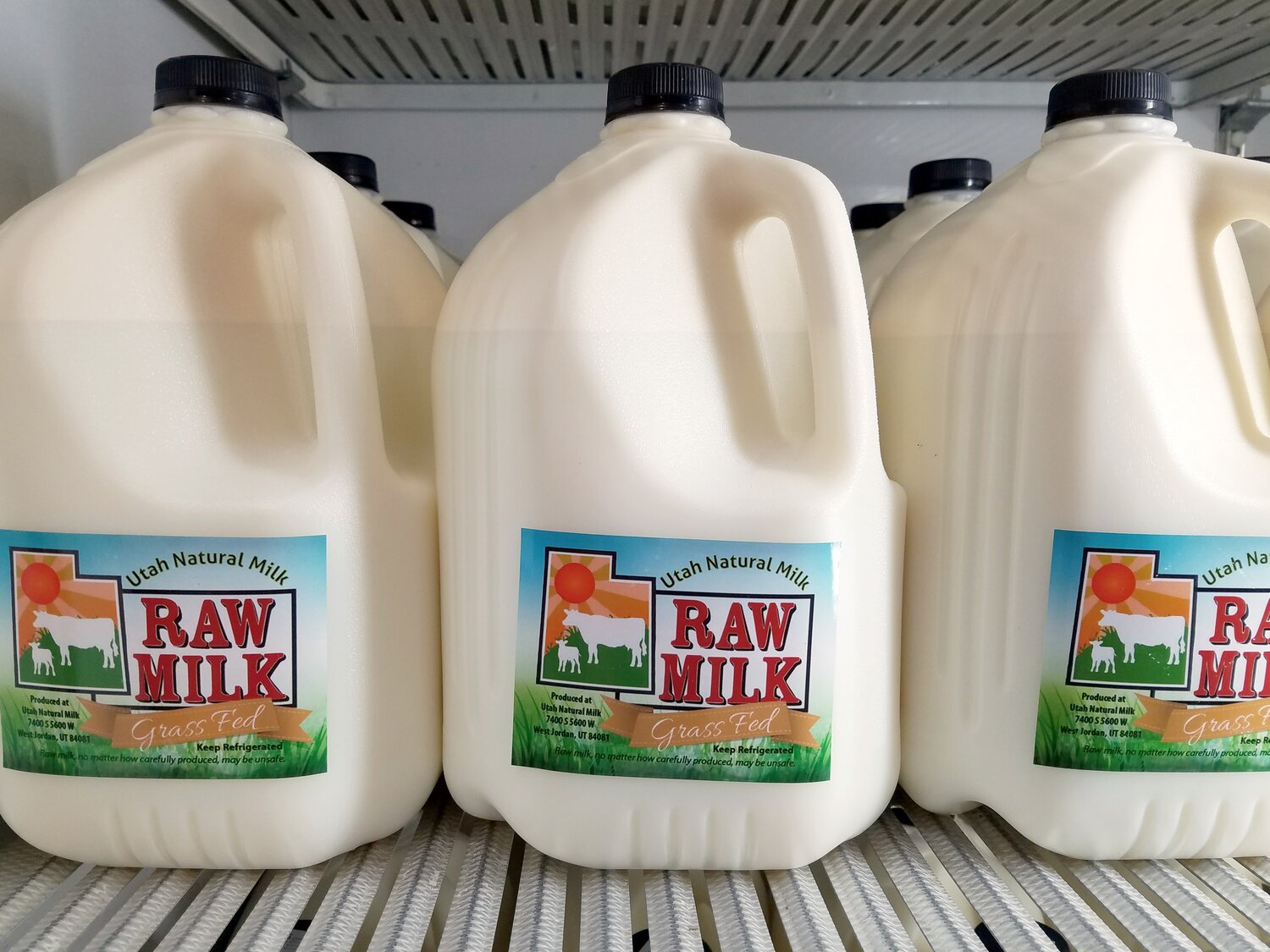
Unpasteurized Milk - Source ar.inspiredpencil.com
By considering these aspects, consumers can make informed decisions about raw milk purchases. For instance, understanding seasonality allows them to plan purchases during peak production periods, while knowledge of regional demand helps identify areas with more competitive prices. The availability of direct sales can provide substantial cost savings, making raw milk accessible to a wider consumer base.
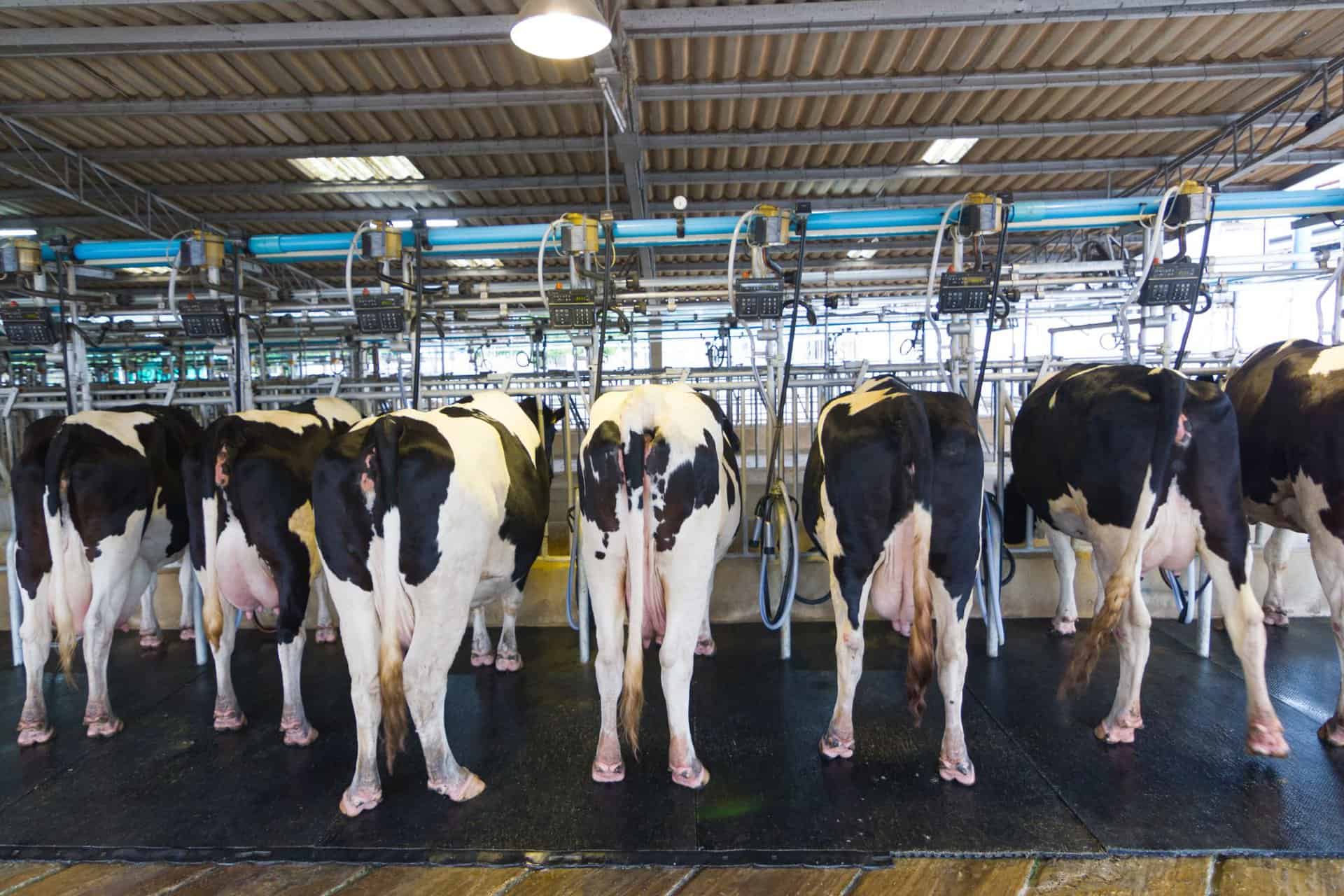
Milk Prices Expected to Stay High Due to Supply Constraints - Source vespertool.com
Current Raw Milk Prices: A Comprehensive Guide For Consumers
Raw milk prices are determined by a complex interplay of factors including production costs, supply and demand, transportation costs, and government regulations. Understanding the factors that influence raw milk prices is essential for both consumers and producers to make informed decisions about the purchase and sale of this important commodity.

A2 Raw Milk | Humpbridge Milk - Source www.humpbridgemilk.co.nz
One of the most important factors affecting raw milk prices is the cost of production. The cost of producing raw milk can vary significantly depending on the size and efficiency of the dairy operation, the quality of the feed and forage used, and the cost of labor. Larger dairy operations tend to have lower production costs than smaller operations, as they can spread the fixed costs of production over a larger number of cows. The quality of the feed and forage used also has a significant impact on production costs, as higher quality feed and forage can lead to increased milk production and improved milk quality. Finally, the cost of labor is a major factor in the cost of producing raw milk, as dairy farming is a labor-intensive industry.
Another important factor affecting raw milk prices is the supply and demand for the product. When the supply of raw milk is high relative to demand, prices will tend to be lower. Conversely, when the supply of raw milk is low relative to demand, prices will tend to be higher. The supply of raw milk is affected by a number of factors, including the weather, the availability of feed and forage, and the number of cows in production. The demand for raw milk is affected by a number of factors, including the population size, the level of economic activity, and the price of other dairy products.
Transportation costs are also a factor in determining the price of raw milk. The further the distance that raw milk must be transported, the higher the transportation costs will be. This is because transportation costs include the cost of fuel, the cost of labor, and the cost of equipment.
Finally, government regulations can also affect the price of raw milk. Government regulations can include standards for the production, processing, and transportation of raw milk. These regulations can add to the cost of producing and transporting raw milk, which can lead to higher prices for consumers.
Understanding the factors that influence raw milk prices is essential for both consumers and producers to make informed decisions about the purchase and sale of this important commodity.


0 comments:
Post a Comment