Who needs the Turkish Parliament (Türkiye Büyük Millet Meclisi)?
The Turkish Parliament (Türkiye Büyük Millet Meclisi) is the sole body that can create or change laws and oversee or investigate governmental affairs.

Ankara Üniversitesi Senatosu’ndan Tarihi Meclis Binasında Tarihi - Source www.ankara.edu.tr
Editor's Notes: Turkish Parliament (Türkiye Büyük Millet Meclisi) has published today date, gives insights on lots of Benefits and peoples reaction on those benefits.
After analyzing and dug information, we put together this Turkish Parliament (Türkiye Büyük Millet Meclisi) guide to help you make the right decision.
Key differences or Key takeways
Main article topics
FAQ
The Turkish Parliament (Turkish Parliament (Türkiye Büyük Millet Meclisi)) is the primary legislative body in Turkey. As such, it is responsible for creating and passing laws, overseeing the government, and representing the Turkish people. This FAQ will address some of the most common questions and misconceptions about the Turkish Parliament.
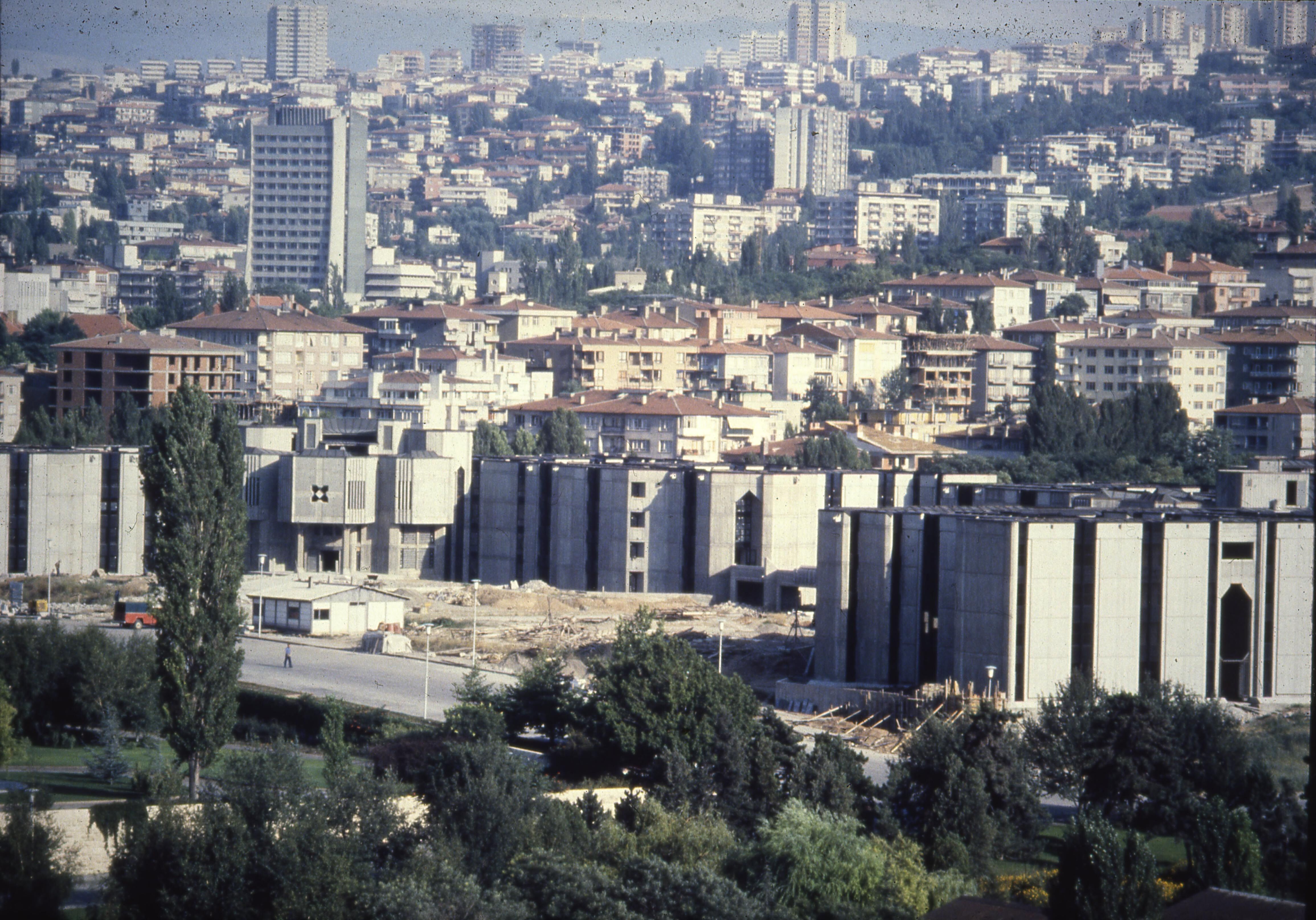
Salt Research: Türkiye Büyük Millet Meclisi Halkla İlişkiler Binaları - Source archives.saltresearch.org
Question 1: What is the role of the Turkish Parliament?
The Turkish Parliament is responsible for creating, passing, and amending laws. It is also responsible for overseeing the government, including the President and the Council of Ministers. In addition, the Parliament represents the Turkish people and their interests.
Question 2: How is the Turkish Parliament elected?
The Turkish Parliament is elected through a general election held every five years. All Turkish citizens over the age of 18 are eligible to vote in the election. The party or coalition of parties that receives the most votes wins the election and forms the government.
Question 3: What are the qualifications for being a member of the Turkish Parliament?
To be a member of the Turkish Parliament, a person must be at least 25 years old, have completed military service, and be a Turkish citizen. In addition, candidates must be nominated by a political party or an independent coalition of voters.
Question 4: What are the powers of the Turkish Parliament?
The Turkish Parliament has a wide range of powers, including the power to:
- Create, pass, and amend laws
- Oversee the government
- Represent the Turkish people
- Declare war and make peace
- Ratify international treaties
- Impeach the President
Question 5: What is the history of the Turkish Parliament?
The Turkish Parliament was first established in 1920, following the collapse of the Ottoman Empire. The first Parliament was known as the Grand National Assembly of Turkey (TBMM). The TBMM was responsible for leading the Turkish War of Independence and establishing the modern Turkish state.
Question 6: What is the future of the Turkish Parliament?
The Turkish Parliament is a vital institution in Turkish democracy. It is responsible for representing the Turkish people and passing laws that will benefit the nation. The Parliament is expected to continue to play a significant role in the future of Turkey.
This FAQ has provided a brief overview of the Turkish Parliament, its role, its powers, and its history. For more information, please visit the Turkish Parliament (Türkiye Büyük Millet Meclisi) website.
Tips by Turkish Parliament (Türkiye Büyük Millet Meclisi)
Heed the following advice to strengthen communication and governance.
Tip 1: Prioritize Transparency and Accountability
Promote open communication and access to information for citizens. Implement mechanisms for legislators to answer public inquiries and ensure accountability.
Tip 2: Foster Citizen Engagement
Encourage public participation in decision-making and policy formulation. Consider town halls, online forums, and citizen advisory boards to gather input and foster collaboration.
Tip 3: Enhance Media Collaboration
Maintain open and constructive relationships with the media. Provide timely and accurate information to facilitate public understanding and informed decision-making.
Tip 4: Utilize Technology for Efficient Operations
Implement technology solutions to streamline parliamentary operations, improve efficiency, and enhance communication with constituents and stakeholders.
Tip 5: Promote Inclusivity and Accessibility
Ensure that parliamentary proceedings and information are accessible to all citizens, regardless of disabilities, language barriers, or economic status.
Tip 6: Focus on Long-Term Sustainability
Develop communication strategies that are sustainable over time. Prioritize continuity, adaptability, and resource optimization to ensure ongoing effectiveness.
Summary
By incorporating these tips, parliaments can strengthen their connection with constituents, enhance transparency, and improve governance outcomes. Effective communication is essential for building trust, fostering collaboration, and ensuring a responsive and accountable government.
Turkish Parliament (Türkiye Büyük Millet Meclisi)
The Turkish Parliament (Türkiye Büyük Millet Meclisi) is the unicameral legislative body of the Republic of Turkey, established in 1920 during the Turkish National Movement. It is composed of 600 members elected from 85 electoral districts based on population. The Parliament is responsible for enacting laws, approving the budget, and overseeing the work of the government.
- Unicameral Legislature
- Elected Representation
- Legislative Authority
- Budgetary Control
- Government Oversight
- Historical Significance
The Parliament plays a crucial role in maintaining Turkey's democratic system, ensuring transparency and accountability in governance. It serves as a platform for political debate, policy formulation, and the representation of diverse societal interests. The Parliament's historical significance is rooted in its establishment during the Turkish War of Independence, symbolizing the nation's self-determination and transition to a parliamentary democracy.

Salt Research: Türkiye Büyük Millet Meclisi Halkla İlişkiler Binaları - Source archives.saltresearch.org
Turkish Parliament (Türkiye Büyük Millet Meclisi)
The Turkish Parliament (Türkiye Büyük Millet Meclisi) is the supreme legislative body of the Republic of Turkey. It is a unicameral parliament composed of 600 members, who are elected by popular vote for a five-year term.
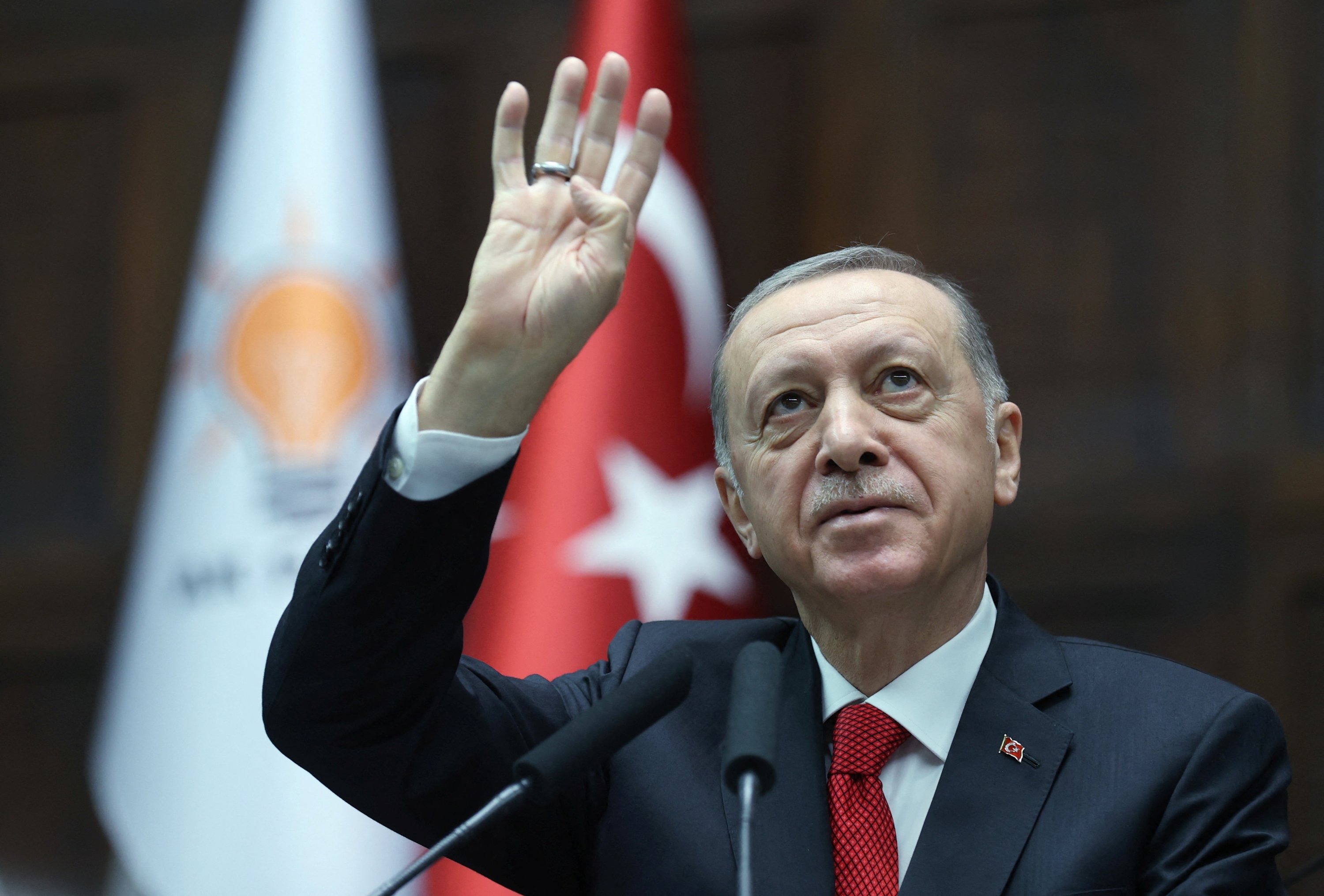
AK Party: Secret to 20 years in power, tips for the next phase | Column - Source www.dailysabah.com
The Parliament is responsible for passing laws, approving the budget, and overseeing the work of the government. It also has the power to impeach the President and to declare war.
The Parliament is a key part of the Turkish political system. It is the body that represents the will of the people and ensures that the government is accountable to them.
| Year | Number of Members | Party with the Most Seats |
|---|---|---|
| 1920 | 400 | Turkish National Movement |
| 1923 | 333 | Republican People's Party |
| 1934 | 465 | Republican People's Party |
| 1943 | 490 | Republican People's Party |
| 1950 | 487 | Democrat Party |
| 1960 | 450 | Justice Party |
| 1973 | 450 | Justice Party |
| 1983 | 400 | Motherland Party |
| 1987 | 450 | Motherland Party |
| 1991 | 450 | True Path Party |
| 1995 | 550 | Motherland Party |
| 1999 | 550 | Democratic Left Party |
| 2002 | 550 | Justice and Development Party |
| 2007 | 550 | Justice and Development Party |
| 2011 | 550 | Justice and Development Party |
| 2015 | 550 | Justice and Development Party |
Conclusion
The Turkish Parliament is a vital part of the country's political system. It is a representative body that ensures that the government is accountable to the people.
The Parliament has played a key role in Turkey's development since the founding of the republic in 1923. It has passed important laws, including the Constitution, and has overseen the work of the government.
The Parliament is facing a number of challenges in the 21st century, including the rise of populism and nationalism. However, it remains a key institution in Turkish democracy.


0 comments:
Post a Comment