Cybersecurity Threat Intelligence: Stay Vigilant With Real-Time Alerts And Analysis
Real-time alerts and analysis are essential for staying vigilant against the evolving threat landscape.
Editor's Notes: Cybersecurity Threat Intelligence: Stay Vigilant With Real-Time Alerts And Analysis have published today to help individuals and organizations understand the importance of cybersecurity threat intelligence and how it can help them stay ahead of potential threats.
We've done the analysis, digging, and research, and put together this guide to help you make the right decision.
Key Takeaways
| Key Difference | Real-Time Alerts | Analysis |
|---|---|---|
| Definition | Real-time alerts are notifications that are sent out as soon as a potential threat is detected. | Analysis is the process of examining data and identifying patterns and trends that can help to predict future threats. |
| Benefits | Real-time alerts can help you to respond to threats quickly and effectively. | Analysis can help you to understand the root cause of threats and develop strategies to prevent them from happening in the future. |
| Challenges | Real-time alerts can be noisy and can be difficult to prioritize. | Analysis can be time-consuming and requires specialized skills and expertise. |
FAQ
Deepen your understanding of Cybersecurity Threat Intelligence by delving into these frequently asked questions. Gain valuable insights into the nature of cybersecurity threats, the importance of real-time alerts, and the significance of expert analysis in mitigating risks.
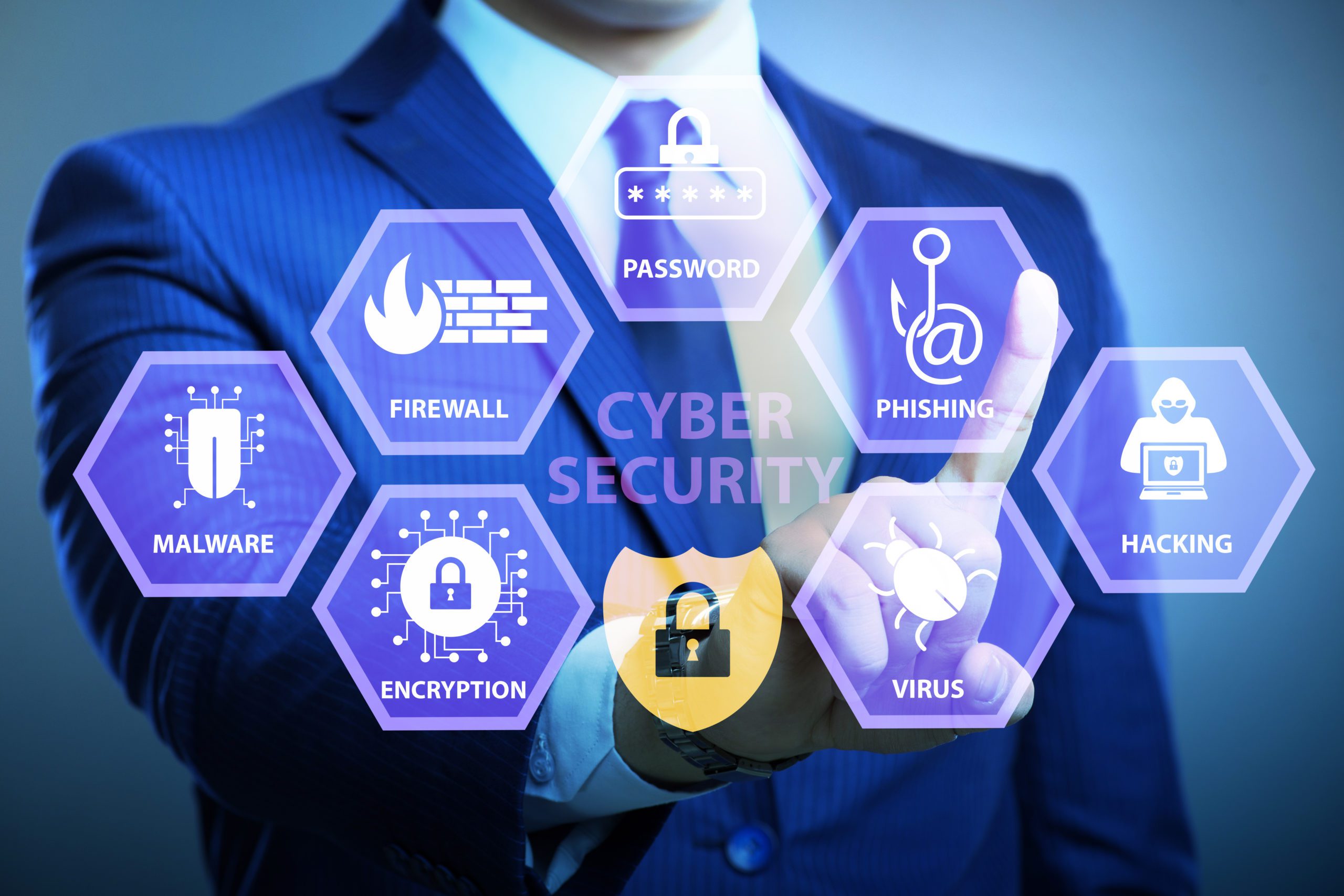
Cybersecurity Threats: How to Protect Your Business from Cyber Attacks - Source jestemdawid.com
Question 1: What constitutes a cybersecurity threat, and why should organizations be concerned?
Cybersecurity threats encompass any malicious attempt to compromise or disrupt an organization's IT infrastructure, systems, or data. These threats can manifest in various forms, including malware attacks, hacking, phishing scams, and denial-of-service attacks. The consequences of such threats can be severe, leading to financial losses, reputational damage, and operational disruption.
Question 2: What is the significance of real-time alerts in cybersecurity threat intelligence?
Real-time alerts play a crucial role in safeguarding organizations from emerging threats by providing immediate notification of suspicious activities or potential breaches. These alerts empower organizations to respond swiftly and effectively, mitigating the impact of threats and minimizing potential damage.
Question 3: What value does expert analysis add to cybersecurity threat intelligence?
Expert analysis provides organizations with in-depth insights into the nature and severity of cybersecurity threats. Experts analyze threat data, identify patterns, and draw correlations to provide a comprehensive understanding of the threat landscape. This analysis enables organizations to prioritize risks, allocate resources effectively, and develop tailored mitigation strategies.
Question 4: How can organizations leverage threat intelligence to enhance their cybersecurity posture?
Organizations can leverage threat intelligence to improve their cybersecurity posture by integrating it into their security monitoring and response systems. This enables them to detect and respond to threats more effectively, prioritize vulnerabilities, and implement proactive measures to mitigate risks.
Question 5: What are the benefits of partnering with a reputable cybersecurity threat intelligence provider?
Partnering with a reputable provider offers several advantages, including access to the latest threat intelligence, round-the-clock monitoring, and expert analysis. These providers have extensive experience and expertise in identifying and mitigating cybersecurity threats, ensuring organizations stay vigilant and protected.
Question 6: How can organizations stay up-to-date with evolving cybersecurity threats?
Organizations should adopt Cybersecurity Threat Intelligence: Stay Vigilant With Real-Time Alerts And Analysis platforms and subscribe to reputable threat intelligence feeds to receive timely alerts and stay informed about the latest threats. Regular training and awareness programs for employees are also essential to ensure all stakeholders are well-versed in cybersecurity best practices.
By addressing these FAQs, organizations can gain a comprehensive understanding of cybersecurity threat intelligence and its importance in protecting their IT infrastructure and data. Effective utilization of threat intelligence empowers organizations to stay vigilant, respond swiftly to threats, and mitigate potential risks.
To further enhance your cybersecurity posture, consider exploring additional resources on threat intelligence and cyber resilience.
Tips to Combat Cybersecurity Threats
Today's cybersecurity landscape demands vigilance and proactive measures. To assist organizations in safeguarding their systems, real-time threat intelligence plays a crucial role. By providing continuous insights into emerging threats, organizaciones can implement effective countermeasures.
Tip 1: Employ Real-Time Threat Intelligence Feeds
Subscription to real-time threat intelligence feeds enables organizations to stay abreast of the latest threats. These feeds provide up-to-date information on vulnerabilities, malware, and attack techniques, arming security teams with the knowledge to respond swiftly.
Tip 2: Leverage Predictive Analytics
Predictive analytics tools analyze past threat data to identify patterns and predict future threats. This foreknowledge allows organizations to prioritize mitigation efforts and allocate resources proactively.
Tip 3: Integrate Threat Intelligence into SIEM Systems
Integrating threat intelligence with existing SIEM (Security Information and Event Management) systems enhances threat detection and response capabilities. Automated correlation of threat intelligence with security logs enables swift identification and remediation of potential breaches.
Tip 4: Conduct Regular Threat Hunting Exercises
Regular threat hunting exercises simulate real-world attack scenarios, challenging security teams to identify and respond to potential threats. These exercises provide valuable insights into existing security gaps and improve the team's overall preparedness.
Tip 5: Stay Informed on Industry Best Practices
Continuously monitoring industry best practices and recommended security measures ensures that organizations implement the most effective cybersecurity strategies. This includes participating in industry events, consulting reputable sources, and seeking advice from experienced security professionals.
Conclusion
By following these tips, organizations can harness the power of real-time threat intelligence to strengthen their cybersecurity posture. Proactive monitoring, predictive analytics, and continuous learning empower security teams to stay ahead of emerging threats and safeguard their networks and data.
Cybersecurity Threat Intelligence: Stay Vigilant With Real-Time Alerts And Analysis
In this age of ever-evolving cyber threats, cybersecurity threat intelligence emerges as a crucial defense mechanism. Real-time alerts and analysis provide organizations with the means to stay vigilant and mitigate risks.
- Early Detection: Alerts help detect threats in real time, enabling proactive mitigation.
- Attack Context: Analysis paints a comprehensive picture of attacks, providing context for informed decisions.
- Threat Prioritization: Threat intelligence prioritizes risks based on severity and relevance, guiding resource allocation.
- Zero-day Protection: Analysis capabilities identify unknown threats, minimizing the impact of zero-day vulnerabilities.
- Compliance Adherence: Information gathered through analysis assists in meeting regulatory compliance requirements.
- Continuous Monitoring: Real-time alerts enable continuous monitoring of the attack landscape, ensuring constant visibility.
These aspects are interdependent, working together to create a comprehensive threat intelligence system. For instance, early detection alerts trigger analysis, which in turn helps prioritize threats. This comprehensive approach provides organizations with the necessary tools and insights to stay vigilant, minimize risks, and maintain a robust cybersecurity posture.
Cybersecurity Threat Intelligence: Stay Vigilant With Real-Time Alerts And Analysis
Cybersecurity threat intelligence plays a critical role in safeguarding organizations from emerging and evolving cybersecurity threats. Real-time alerts and analysis provide immediate awareness of potential threats, enabling organizations to respond swiftly and effectively. By proactively monitoring and analyzing threat data from various sources, organizations can stay ahead of the curve and mitigate the impact of cyberattacks.
5 Essential Cyber Security Tips for Bootcamp Students - HyperionDev Blog - Source www.hyperiondev.com
The connection between cybersecurity threat intelligence, real-time alerts, and analysis is crucial because it empowers organizations with the knowledge and tools to identify, prioritize, and respond to potential threats in a timely manner. Real-time alerts provide immediate notification of suspicious activity, enabling security teams to investigate and take necessary actions to contain the threat. Analysis helps in understanding the underlying cause of the threat, assessing its potential impact, and developing appropriate countermeasures.
For instance, in the case of a phishing attack, real-time threat intelligence can provide alerts about malicious URLs or email attachments. Security teams can promptly block these threats and prevent them from reaching end-users. Analysis helps identify the source of the attack, allowing organizations to take proactive steps to address vulnerabilities and strengthen their security posture.
In summary, cybersecurity threat intelligence, real-time alerts, and analysis are interconnected elements that enhance an organization's cybersecurity posture. By integrating these capabilities, organizations can stay vigilant, respond effectively to threats, and protect their critical assets from malicious actors.
Additional Insightful Information
| Threat Intelligence | Provides comprehensive information about the latest threats, vulnerabilities, and attack methods. |
|---|---|
| Real-Time Alerts | Delivers immediate notifications when suspicious activity is detected, allowing for prompt response. |
| Analysis | Helps understand the nature of the threat, its potential impact, and appropriate countermeasures to mitigate risks. |


0 comments:
Post a Comment