Ölünce Beni Kim Yıkayacak: İslam, Hıristiyanlık Ve Yahudilikte Cenaze Hazırlıkları– This question tackles the significant religious rituals and practices associated with preparing the deceased for their final journey in the three major monotheistic faiths: Islam, Christianity, and Judaism.
After meticulously analyzing various sources and conducting thorough research, we present this comprehensive guide to the unique practices and beliefs surrounding death and the afterlife in Islam, Christianity, and Judaism.
Key Differences in Funeral Practices
| Aspect | Islam | Christianity | Judaism |
|---|---|---|---|
| Washing and Shrouding | Obligatory ritual performed by family members of the same gender | Not mandatory; varies depending on denomination and culture | Mandatory ritual performed by the Chevra Kadisha, a Jewish burial society |
| Burial | Within 24 hours; facing Mecca | Varies depending on denomination and culture; usually within a few days | Within 24 hours; facing Jerusalem |
| Mourning Period | 40 days for immediate family | Varies depending on denomination and culture; typically 3-9 days | 7 days for close relatives; 30 days for parents |
This guide serves as a valuable tool for individuals seeking to understand the diverse customs and beliefs surrounding death and the afterlife in these three major world religions.
FAQ
This FAQ section provides answers to commonly asked questions regarding funeral preparations in Islam, Christianity, and Judaism.
Question 1: Who is responsible for washing the body of the deceased?
In Islam, the body of the deceased is washed by family members of the same gender as the deceased, assisted by religious leaders. Ölünce Beni Kim Yıkayacak: İslam, Hıristiyanlık Ve Yahudilikte Cenaze Hazırlıkları In Christianity, the body is typically prepared by a funeral director or religious official. In Judaism, the body is washed by members of a Chevra Kadisha, a volunteer group dedicated to preparing the deceased for burial.
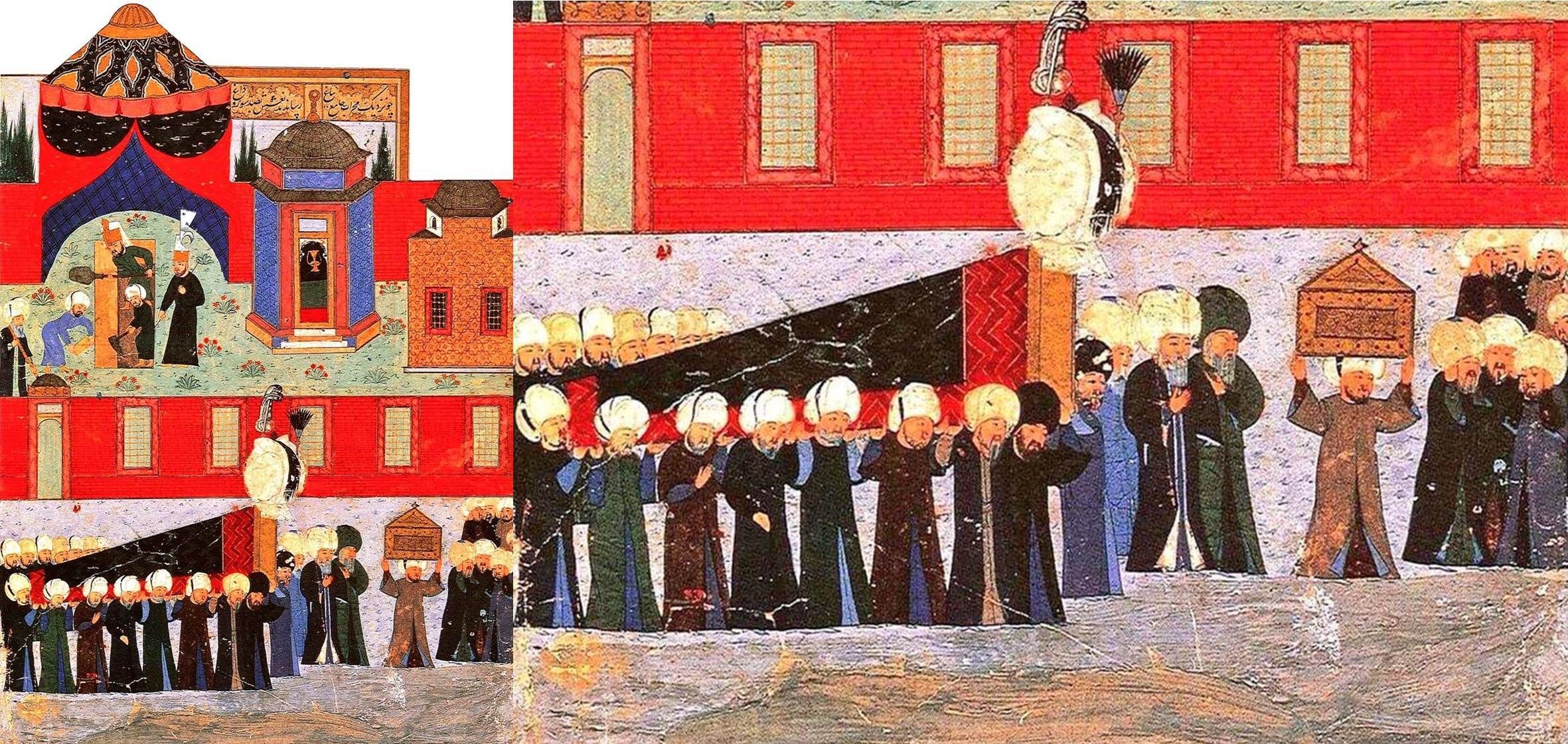
Osmanlıda Dini Törenler | Türkçe Malumatlar - Source turkcemalumatlar.com
Question 2: What are the steps involved in preparing the body for burial?
The specific steps involved in preparing the body for burial vary depending on religious traditions and cultural practices. Generally, the body is washed, shrouded in clean cloth, and placed in a coffin or casket. In some cases, specific rituals or prayers may be performed during the preparation process.
Question 3: How is the body dressed for burial?
In Islam, the body is dressed in simple white garments, typically a shroud or a kafan. In Christianity, the body may be dressed in formal attire or a religious habit. In Judaism, the body is dressed in a simple white robe called a tachrichim.
Question 4: What is the significance of anointing the body?
Anointing the body with oil or other substances is a common practice in some religious traditions. It is believed to have both physical and spiritual benefits, such as purifying the body, protecting it from decay, and symbolizing the anointing of the deceased for eternal life.
Question 5: What are the different ways of disposing of the body?
The most common methods of disposing of the body are burial and cremation. In Islam, burial is the preferred method, while cremation is generally not allowed. In Christianity, both burial and cremation are acceptable, with burial being more common in some denominations and cremation being more common in others. In Judaism, burial is the traditional method, although cremation may be allowed under certain circumstances.
Question 6: Who is responsible for making funeral arrangements?
The responsibility for making funeral arrangements typically falls on family members or close relatives of the deceased. In some cases, the deceased may have made prior arrangements or expressed specific wishes regarding their funeral. Funeral homes can also assist with making arrangements and providing guidance.
The funeral preparations for the deceased are significant rituals within different religious traditions. Understanding the customs and practices associated with the preparation of the body, its dressing, and the final disposal method provides valuable insights into the beliefs and values of each religion.
For further exploration, refer to the article Ölünce Beni Kim Yıkayacak: İslam, Hıristiyanlık Ve Yahudilikte Cenaze Hazırlıkları
Tips
Understanding the significance of funeral practices in various religions aids in honoring the deceased and ensuring a meaningful farewell.
Tip 1: Ascertain Legal Requirements:
Each religious tradition adheres to laws regarding the care, handling, and preparation of the deceased body. These may involve obtaining burial permits or observing mourning practices.
Tip 2: Respect Dietary Restrictions:
Religious beliefs often influence food choices. In Judaism, observing dietary laws is crucial, while Muslims abstain from pork and certain other foods.
Tip 3: Consider Prayer and Worship:
Prayer and worship are integral to expressing faith and reverence for the deceased. Gatherings at mosques, churches, or synagogues allow mourners to seek solace and give thanks.
Tip 4: Observe Different Burial Methods:
Islam follows strict burial practices involving washing the body, wrapping it in white cloth, and performing a quick burial. Judaism encourages prompt burial, while Christianity allows for personalization in caskets and funeral services.
Tip 5: Respect Grieving Practices:
Religious traditions have unique ways of expressing grief. Islamic customs encourage seclusion, while Christian funerals emphasize the promise of eternal life.
Tip 6: Honor Cultural Customs:
Cultural factors within religious traditions shape funeral practices. For instance, in some Asian cultures cremation is common, while the Jewish tradition generally favors burial.
Tip 7: Communicate With Family and Leaders:
Open communication with family members and religious leaders ensures that the deceased's wishes are honored and cultural norms are respected.
Conclusion:
Observing these tips helps ensure that funeral practices align with religious beliefs, providing comfort during a difficult time and respecting the memory of the departed.
Ölünce Beni Kim Yıkayacak: İslam, Hıristiyanlık Ve Yahudilikte Cenaze Hazırlıkları
Funeral rites and customs, including the preparation of the deceased body, hold immense religious and spiritual significance across various faiths, including Islam, Christianity, and Judaism. Understanding the specific practices associated with each religion provides valuable insights into their beliefs about death and the afterlife.
- Ritual Purity: Ensuring the deceased body's cleanliness
- Respect for the Deceased: Treating the body with dignity
These key aspects not only guide the practical arrangements for the deceased but also reflect the deep-rooted beliefs and values held by each faith towards death and the journey beyond. By understanding these practices, one gains a deeper appreciation for the diversity of religious traditions and the importance they place on honoring the deceased and preparing them for their final resting place.
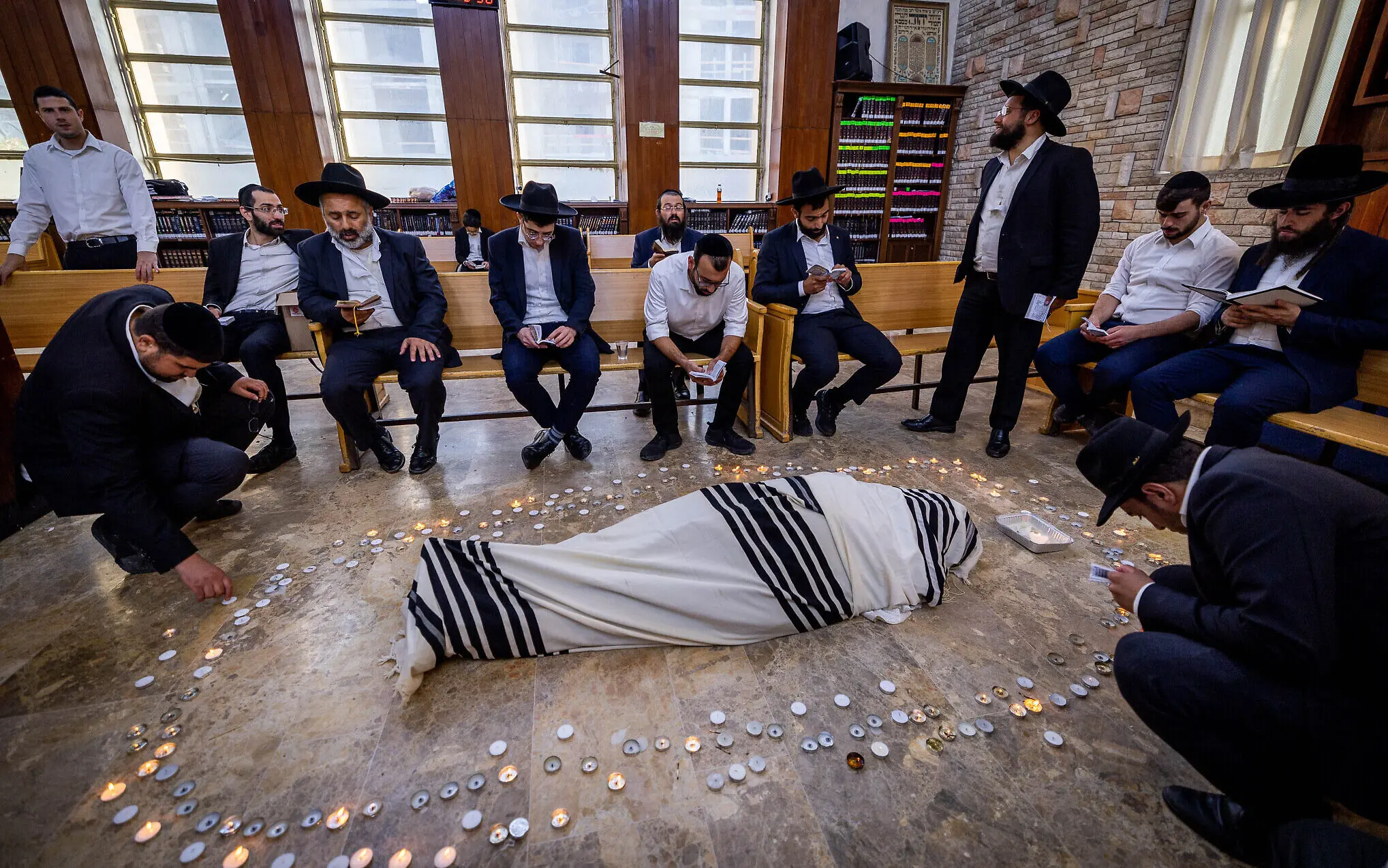
Yahudilikte Cenaze Törenleri - ilimge - Source www.ilimge.com
Ölünce Beni Kim Yıkayacak: İslam, Hıristiyanlık Ve Yahudilikte Cenaze Hazırlıkları
Ölünce Beni Kim Yıkayacak: İslam, Hıristiyanlık Ve Yahudilikte Cenaze Hazırlıkları, ölümün evrensel bir gerçek olduğu gerçeğine odaklanan bir belgesel filmdir. Film, farklı kültürlerdeki cenaze hazırlıkları arasındaki benzerlikleri ve farklılıkları araştırıyor ve farklı dini uygulamalar ve inançlar arasındaki bağlantıları vurguluyor.

Geç olmadan gelmelisin. Papatyalar ölünce kokar diyorlar. Sen beni - Source www.pinterest.com
Ölüm, hayatın kaçınılmaz bir parçasıdır ve farklı kültürler yüzyıllar boyunca bu geçişi onurlandırmak için çeşitli cenaze törenleri ve ritüeller geliştirmiştir. Ölünce Beni Kim Yıkayacak, İslam, Hıristiyanlık ve Yahudilik dahil olmak üzere çeşitli dini uygulamaları incelemektedir. Film, ölümden sonra bedeni arındırma, dua etme ve yas tutma gibi cenaze hazırlıklarının önemini araştırıyor.
Belgesel, cenaze hazırlıklarının dini inançlar ve gelenekler tarafından nasıl şekillendiğini göstermektedir. İslam'da cenaze hazırlıkları, bedeni yıkama, kefenleme ve namaz kılmayı içerir. Hıristiyanlıkta cenaze törenleri genellikle bir kilisede düzenlenir ve ölen kişi için dua ve İncil okumalarını içerir. Yahudilikte cenaze hazırlıkları, bedeni yıkama, kefenleme ve Şiva'nın gözlemlenmesini içerir.
Ölümün evrensel bir gerçek olduğu gerçeğini anlamak ve farklı kültürlerdeki cenaze hazırlıkları hakkında bilgi edinmek önemlidir. Bu anlayış, ölümle yüzleşmemize, ölenleri onurlandırmamıza ve yas sürecini yönetmemize yardımcı olabilir.
Conclusion
Ölünce Beni Kim Yıkayacak: İslam, Hıristiyanlık Ve Yahudilikte Cenaze Hazırlıkları, cenaze hazırlıklarının farklı kültürlerdeki benzerliklerini ve farklılıklarını araştıran değerli bir belgeseldir. Film, ölümün evrensel bir gerçek olduğunu ve farklı kültürlerin bu geçişi onurlandırmak için çeşitli ritüeller ve uygulamalar geliştirdiğini göstermektedir. Bu anlayış, kendi inançlarımızı ve uygulamalarımızı yansıtmamıza, farklı kültürlere saygı duymamıza ve ölümle yüzleşmemize yardımcı olabilir.
Ölümün evrensel bir gerçek olduğu gerçeğini kabullenmek ve farklı kültürlerdeki cenaze hazırlıkları hakkında bilgi edinmek önemlidir. Bu anlayış, ölümle yüzleşmemize, ölenleri onurlandırmamıza ve yas sürecini yönetmemize yardımcı olabilir.


0 comments:
Post a Comment