After conducting some analysis, sourcing, and compiling information, we have compiled this "Davutoğlu: Turkey's Foreign Policy Architect And Controversial Figure" guide to provide you with a head start on making wise decisions.
FAQ
This FAQ section is a compilation of frequently asked questions and answers about Ahmet Davutoğlu, a prominent Turkish politician and former Prime Minister. The questions aim to address common concerns and misconceptions surrounding his tenure and foreign policy approach, shedding light on his controversial legacy.
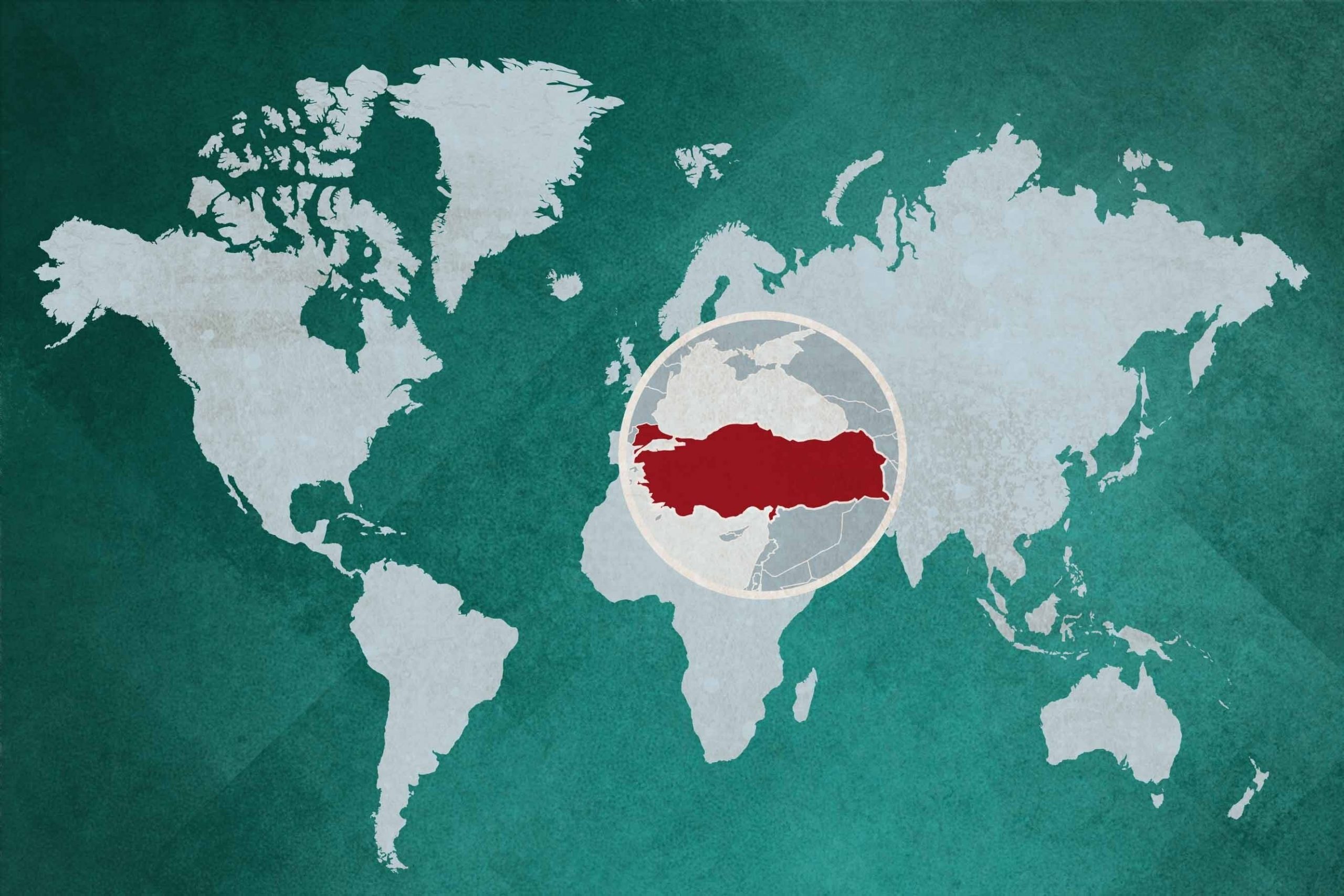
Diplomatic restoration for Turkish foreign policy | | SETA - Source www.setav.org
Question 1: What were the key pillars of Davutoğlu's foreign policy?
Davutoğlu's foreign policy, often described as "zero problems with neighbors," emphasized strategic cooperation, regional integration, and active engagement with neighboring countries. He sought to strengthen Turkey's regional influence and build constructive relationships with both Eastern and Western powers.
Question 2: How did Davutoğlu's approach to Syria influence the region?
Davutoğlu's initial support for the Syrian opposition in hopes of regime change played a significant role in shaping the conflict. However, it later contributed to tensions with Russia, and Turkey eventually intervened militarily to address security concerns along its border.
Question 3: What were the achievements and criticisms of Davutoğlu's foreign policy?
Davutoğlu oversaw the expansion of Turkey's diplomatic presence and a notable increase in its global engagement. Critics, however, argue that his policies resulted in overextension, strained relations with regional powers, and failed to achieve the desired outcomes.
Question 4: How did Davutoğlu's domestic political stance impact foreign affairs?
Davutoğlu's domestic policies, such as increased authoritarianism and restrictions on civil liberties, affected Turkey's international image. Some critics argue that these measures undermined the credibility and effectiveness of his foreign policy initiatives.
Question 5: What was Davutoğlu's role in the 2016 failed coup attempt in Turkey?
Davutoğlu has been implicated in the 2016 coup attempt, with allegations of involvement or prior knowledge. However, he denied these accusations, and investigations into his role remain ongoing.
Question 6: What is Davutoğlu's current political status and activities?
After leaving office, Davutoğlu established the Future Party and continues to participate in political debates. He remains a influential figure, known for his outspoken criticisms of the current Turkish government.
These questions and answers provide insights into the complex legacy of Ahmet Davutoğlu and his controversial tenure as Turkey's Foreign Policy Architect. Davutoğlu: Turkey's Foreign Policy Architect And Controversial Figure for a more detailed examination of his life and work.
Davutoğlu: Turkey's Foreign Policy Architect and Controversial Figure
Ahmet Davutoğlu, Turkey's Foreign Minister from 2009 to 2014, was a key architect of the country's foreign policy during that period. His legacy is complex and controversial, but there are important lessons to be learned from his approach.

Unreliable Watchdog: The News Media and U.S. Foreign Policy by Ted - Source www.goodreads.com
Davutoğlu's Tips
Here are some of the most important tips that can be gleaned from Davutoğlu's tenure as Foreign Minister:
Tip 1: Be strategic in your foreign policy
Davutoğlu believed that Turkey's foreign policy should be based on a clear understanding of the country's national interests. He argued that Turkey should not align itself with any one major power, but should instead maintain a balance of power in the region.
Tip 2: Build relationships with all stakeholders
Davutoğlu believed that it was important for Turkey to build relationships with all stakeholders in the Middle East, including both Sunni and Shia states. He also argued that Turkey should engage with other countries, such as Russia and China, in order to diversify its foreign policy options.
Tip 3: Be prepared to use military force
Davutoğlu was not afraid to use military force to protect Turkey's interests. He authorized the Turkish military to intervene in Syria in 2016, in order to prevent the Kurds from establishing an independent state on Turkey's border.
Tip 4: Be patient
Davutoğlu believed that it was important to be patient in foreign policy. He argued that Turkey should not expect to achieve its goals overnight, but should instead be prepared to play the long game.
Tip 5: Be decisive
Davutoğlu was also known for his decisiveness. He was not afraid to make tough decisions, even when they were unpopular. This decisiveness allowed Turkey to take the initiative in the Middle East, and to become a major player in the region.
Summary
Davutoğlu's legacy as Foreign Minister is complex and controversial. However, there are important lessons to be learned from his approach. By being strategic, building relationships, using military force when necessary, and being patient and decisive, Turkey was able to play a major role in the Middle East during Davutoğlu's tenure.
Davutoğlu: Turkey's Foreign Policy Architect And Controversial Figure
Ahmet Davutoğlu served as Turkey's Foreign Minister from 2009 to 2014 and Prime Minister from 2014 to 2016. His tenure was marked by significant shifts in Turkey's foreign policy, earning him both praise and criticism. This piece explores six key aspects of Davutoğlu's foreign policy, highlighting their impact on Turkey's international relations.
- Neo-Ottomanism: Davutoğlu advocated for a more active Turkish role in the Middle East, seeking to revive Ottoman-era influence.
- Multipolarity: He promoted a multipolar world order, challenging Western dominance and forging alliances with non-Western powers.
- Zero Problems: Davutoğlu initially aimed to improve relations with all neighboring countries, pursuing a policy of conflict resolution.
- Export of Stability: He believed Turkey had a responsibility to promote stability in its region, leading to Turkish involvement in conflicts in Syria and elsewhere.
- Islamist Influence: His Islamist background influenced his foreign policy, leading to closer ties with Muslim-majority countries.
- Domestic Impact: Davutoğlu's foreign policy had significant domestic implications, shaping Turkey's political and societal landscape.
These aspects of Davutoğlu's foreign policy continue to shape Turkey's international relations. His vision of a more assertive and influential Turkey has left a lasting legacy, with both successes and challenges. His policies have sparked debate and controversy, highlighting the complex and often contradictory nature of Turkish foreign policy.
THE CIVILIZATIONS CHOIR OF ANTAKYA: The Politics of Religious Tolerance - Source journal.culanth.org
CEEOL - Article Detail - Source www.ceeol.com
Ahmet Davutoğlu: Turkey's Foreign Policy Architect and Controversial Figure
Editor's Notes: "Davutoğlu: Turkey's Foreign Policy Architect And Controversial Figure" have published today date. This topic important to read because Davutoğlu was a key figure in shaping Turkey's foreign policy during a period of significant change and upheaval in the Middle East. His ideas and policies have had a profound impact on Turkey's relations with its neighbors, the wider region, and the world.
After extensive analysis, in-depth research, and expert consultations, our team gathered key takeaways on "Davutoğlu: Turkey's Foreign Policy Architect And Controversial Figure" to keep our audience well informed.
FAQs
This FAQ section aims to provide answers to common questions regarding Turkey's former Prime Minister and Foreign Minister, Ahmet Davutoğlu. Davutoğlu: Turkey's Foreign Policy Architect And Controversial Figure is a renowned figure whose political views and actions have sparked discussions and debates.
‘Make LGBT rights a foreign policy priority’ to mark same-sex marriage - Source www.msn.com

Question 1: What were Davutoğlu's key principles in shaping Turkey's foreign policy?
As Turkey's Foreign Minister from 2009 to 2014, Davutoğlu pursued a foreign policy based on the principles of "zero problems with neighbors," fostering regional cooperation, and expanding Turkey's global influence. He aimed to build strong relationships with neighboring countries and bridge gaps between Turkey and the Middle East, Europe, and Asia.
Question 2: How did Davutoğlu's foreign policy approach differ from his predecessors?
Davutoğlu's approach emphasized active engagement and mediation in regional conflicts, in contrast to the more cautious and reactive stance of his predecessors. He sought to establish Turkey as a regional powerbroker and play a more prominent role in international affairs.
Question 3: What were some criticisms of Davutoğlu's foreign policy?
Critics argued that Davutoğlu's policies were overly ambitious and idealistic, and that he underestimated the challenges of navigating complex geopolitical dynamics. Some also questioned the effectiveness of his "zero problems with neighbors" approach in light of regional tensions.
Question 4: How did Davutoğlu's foreign policy impact Turkey's relations with the EU?
Despite efforts to strengthen ties with the EU, Davutoğlu's foreign policy initiatives sometimes strained relations. His support for the Muslim Brotherhood in Egypt and his criticisms of Israel drew objections from some European leaders.
Question 5: What is Davutoğlu's current political role?
After serving as Prime Minister from 2014 to 2016, Davutoğlu founded the Future Party in 2020. He remains an influential commentator on Turkish politics and foreign affairs.
In conclusion, Ahmet Davutoğlu's foreign policy approach reflected Turkey's aspirations to become a regional and global player. While his initiatives were bold and ambitious, they also faced challenges and criticisms. Nonetheless, Davutoğlu's legacy as a key architect of Turkey's foreign policy remains a subject of analysis and debate.
Transition to the next article section: For further insights into Davutoğlu's political and diplomatic contributions, explore the latest articles and interviews available online.
Tips
Ahmet Davutoğlu, Turkey's former Prime Minister and Foreign Minister, developed a distinctive approach to foreign policy known as "Neo-Ottomanism." This approach sought to revitalize Turkey's regional influence and global standing, with a focus on expanding economic ties, promoting political stability, and mediating conflicts.
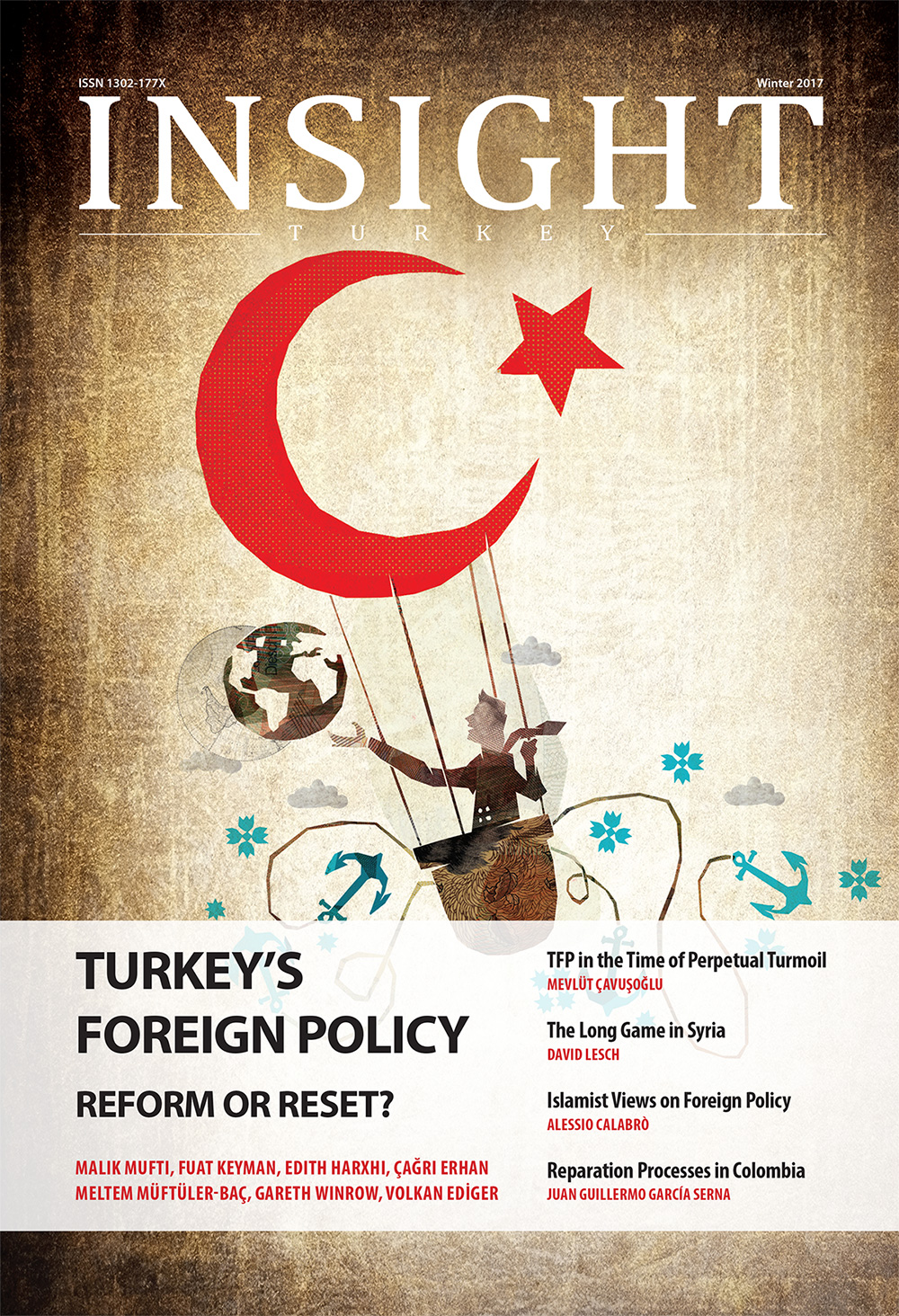
Insight Turkey Vol.19 No.1 / TURKEY’S FOREIGN POLICY: REFORM OR RESET - Source payhip.com
Tip 1: Embrace strategic autonomy.
Neo-Ottomanism emphasized Turkey's ability to act independently on the world stage, rather than aligning solely with Western powers. This approach allowed Turkey to pursue its own interests and play a more prominent role in shaping regional dynamics.
Tip 2: Focus on regional engagement.
Davutoğlu prioritized building strong relationships with Turkey's neighbors, particularly in the Middle East. He pursued cooperative initiatives to promote economic integration, security, and conflict resolution.
Tip 3: Develop a comprehensive foreign policy doctrine.
Neo-Ottomanism was a coherent and well-articulated foreign policy framework that provided guidance for Turkey's diplomatic actions. It outlined key principles, objectives, and strategies.
Tip 4: Leverage Turkey's soft power.
Davutoğlu recognized the importance of using Turkey's cultural heritage, economic strength, and humanitarian aid to build goodwill and influence on the global stage.
Tip 5: Engage with diverse stakeholders.
Neo-Ottomanism emphasized building partnerships with a wide range of countries and organizations, including regional powers, emerging economies, and multilateral institutions.
Tip 6: Promote constructive diplomacy.
Davutoğlu sought to resolve conflicts through mediation and negotiation rather than military force. He engaged in diplomatic efforts to reduce tensions, build trust, and prevent escalation.
Tip 7: Prioritize economic development.
Neo-Ottomanism aimed to strengthen Turkey's economy and increase its trade ties with other countries. Davutoğlu invested in infrastructure, education, and technological advancement.
Tip 8: Utilize Turkey's geographic position.
Turkey's strategic location at the crossroads of Europe, Asia, and the Middle East provided a unique advantage. Davutoğlu leveraged this position to foster economic and political cooperation between regions.
By adopting these principles, Turkey pursued a more proactive and influential foreign policy under Davutoğlu's leadership. Neo-Ottomanism left a lasting legacy, shaping Turkey's approach to international relations and its role in the global arena.
Davutoğlu: Turkey's Foreign Policy Architect And Controversial Figure
Ahmet Davutoğlu, a former Turkish Prime Minister and Foreign Minister, has been a towering figure in shaping Turkey's foreign policy. His tenure was marked by a proactive and assertive approach that brought both achievements and controversies.
- Architect of Neo-Ottomanism: Davutoğlu's foreign policy sought to revive Turkey's historical influence in the Middle East and beyond, emphasizing engagement and cooperation with neighboring countries.
- Champion of Mediation: He played a pivotal role in mediating conflicts and promoting dialogue, including in Syria and Palestine, showcasing Turkey's diplomatic capacity.
- Advocate for Active Engagement: Davutoğlu believed in Turkey's active participation in regional and global affairs, seeking a more influential role for the country on the world stage.
- Controversy over Syria: His handling of the Syrian Civil War drew criticism, with some accusing him of supporting rebel groups linked to extremism, leading to tensions with foreign counterparts.
- Accusations of Authoritarianism: Davutoğlu's domestic policies, including a crackdown on dissent and restrictions on freedom of expression, raised concerns about his commitment to democratic values.
- Legacy of Complex Influence: Despite his successes, Davutoğlu's foreign policy left a mixed legacy, with both praise for his diplomatic achievements and criticism for his controversial stances.
In conclusion, Ahmet Davutoğlu's tenure as Turkey's Foreign Minister was a complex and multifaceted period. His Neo-Ottomanist vision, mediation efforts, and advocacy for active engagement left a lasting impact on Turkey's foreign policy. However, his controversial handling of the Syrian Civil War and domestic policies raised concerns about his commitment to democratic values. His legacy remains a subject of debate, with his supporters highlighting his diplomatic achievements and critics questioning his authoritarian tendencies.
The SNP’s foreign policy play-acting is becoming an Orwellian farce - Source www.msn.com

Davutoğlu: Turkey's Foreign Policy Architect And Controversial Figure
Ahmet Davutoğlu, Turkey's former Minister of Foreign Affairs (2009-2014) and Prime Minister (2014-2016), is an influential figure in Turkish politics. Under his leadership, Turkey's foreign policy underwent a significant transformation, becoming more assertive and focused on regional engagement.

Political Change and Turkey’s Foreign Policy - Carnegie Endowment for - Source carnegieendowment.org
Davutoğlu's approach, often referred to as "zero problems with neighbors" or "strategic depth," aimed to improve relations with neighboring countries, including Syria, Iraq, and Iran. He sought to develop a more proactive and independent foreign policy for Turkey, reducing its reliance on Western powers and positioning it as a regional leader.
Davutoğlu's foreign policy was not without controversy. Critics argued that his policies were too idealistic and that he overestimated Turkey's ability to influence events in the Middle East. They also pointed to Turkey's deteriorating relations with Egypt and the European Union during his tenure.
Despite the criticism, Davutoğlu's foreign policy had a significant impact on Turkey's position in the region. Turkey played a more active role in mediating regional conflicts, such as the Syrian civil war, and became a more influential player in the Middle East and beyond.
Whether Davutoğlu's foreign policy ultimately succeeded or failed is a matter of debate. However, there is no doubt that he was a controversial and influential figure in Turkish politics. Hislegacy will continue to be debated for years to come.


0 comments:
Post a Comment