We've done some analysis and digging, and we've put together this Breaking News: Magnitude X.X Earthquake Strikes [Location] guide to help you make sense of what happened.
FAQ
This FAQ section addresses common questions and concerns following Breaking News: Magnitude X.X Earthquake Strikes [Location]

【更新】918池上強震全台1死146傷,軌道橋梁斷裂修復估1個月以上|端傳媒 Initium Media - Source theinitium.com
Question 1: What is the magnitude of the earthquake?
Answer: The earthquake had a magnitude of [Magnitude].
Question 2: Where did the earthquake occur?
Answer: The earthquake struck [Location].
Question 3: What was the depth of the earthquake?
Answer: The earthquake occurred at a depth of [Depth].
Question 4: What are the expected aftershocks?
Answer: Aftershocks are smaller earthquakes that can occur after the main earthquake. While it's impossible to predict their exact frequency or magnitude, they can continue for weeks or even months following the main event.
Question 5: What precautions should I take?
Answer: Following an earthquake, it's crucial to stay aware of potential hazards like aftershocks, fallen debris, and damaged infrastructure. If indoors, seek shelter under a sturdy table or desk. If outdoors, move away from buildings and power lines. Be prepared for possible power outages and water disruptions.
Question 6: Where can I find more information?
Answer: For the latest updates and official guidance, refer to reputable sources such as government agencies, emergency response organizations, and trusted news outlets.
It's important to remain vigilant and follow safety instructions. Remember, earthquakes are unpredictable, so it's essential to be prepared and informed.
Tips
An earthquake can be a frightening and dangerous event. In the aftermath of an earthquake, it is important to stay calm and take steps to protect yourself and your loved ones.
Tip 1: Check for injuries
After an earthquake, check yourself and others for injuries. If you are injured, seek medical attention immediately. Even if you do not feel injured, it is important to get checked out by a doctor to rule out any hidden injuries.
Tip 2: Secure your home
If your home has been damaged, secure it as best you can. This may involve boarding up windows, covering holes in the roof, and turning off gas and electricity. If your home is severely damaged, you may need to evacuate and find temporary shelter.
Tip 3: Stay informed
After an earthquake, it is important to stay informed about the situation. Listen to the radio or television for updates on the earthquake and its aftermath. Follow the instructions of local authorities and emergency responders.
Tip 4: Be prepared
The best way to protect yourself from an earthquake is to be prepared. Have an earthquake preparedness kit that includes food, water, first-aid supplies, and other essential items. Know the evacuation plan for your home and workplace.
Tip 5: Avoid downed power lines
After an earthquake, there may be downed power lines. Avoid these lines and report them to the utility company. Downed power lines can be very dangerous and can cause serious injuries or death.
Summary
By following these tips, you can help to protect yourself and your loved ones in the event of an earthquake.
Breaking News: Magnitude X.X Earthquake Strikes [Location]
The recent earthquake that struck [Location] has brought to light several essential aspects worth examining. This devastating event underscores the significance of understanding earthquake magnitude, preparedness, and its potential impact on infrastructure, society, and the environment.
- Magnitude: The magnitude of an earthquake, measured on the Richter scale, indicates its energy release and potential for damage.
- Epicenter: The epicenter refers to the location on the Earth's surface directly above the earthquake's origin.
- Seismic Waves: Earthquakes generate seismic waves that travel through the Earth's crust, causing ground shaking and potential damage.
- Infrastructure Impact: Earthquakes can severely damage or destroy buildings, bridges, roads, and other critical infrastructure, disrupting essential services.
- Societal Consequences: Earthquakes can lead to loss of life, injuries, displacement of people, and disruption of social and economic activities.
- Environmental Impact: Earthquakes can trigger landslides, tsunamis, and other environmental hazards, causing further damage and potential loss of life.
It is crucial to remain informed about earthquake risks, prepare for potential events, and invest in resilient infrastructure to mitigate their impact. Understanding these key aspects can help us better prepare for and respond to earthquakes, safeguarding lives and communities.
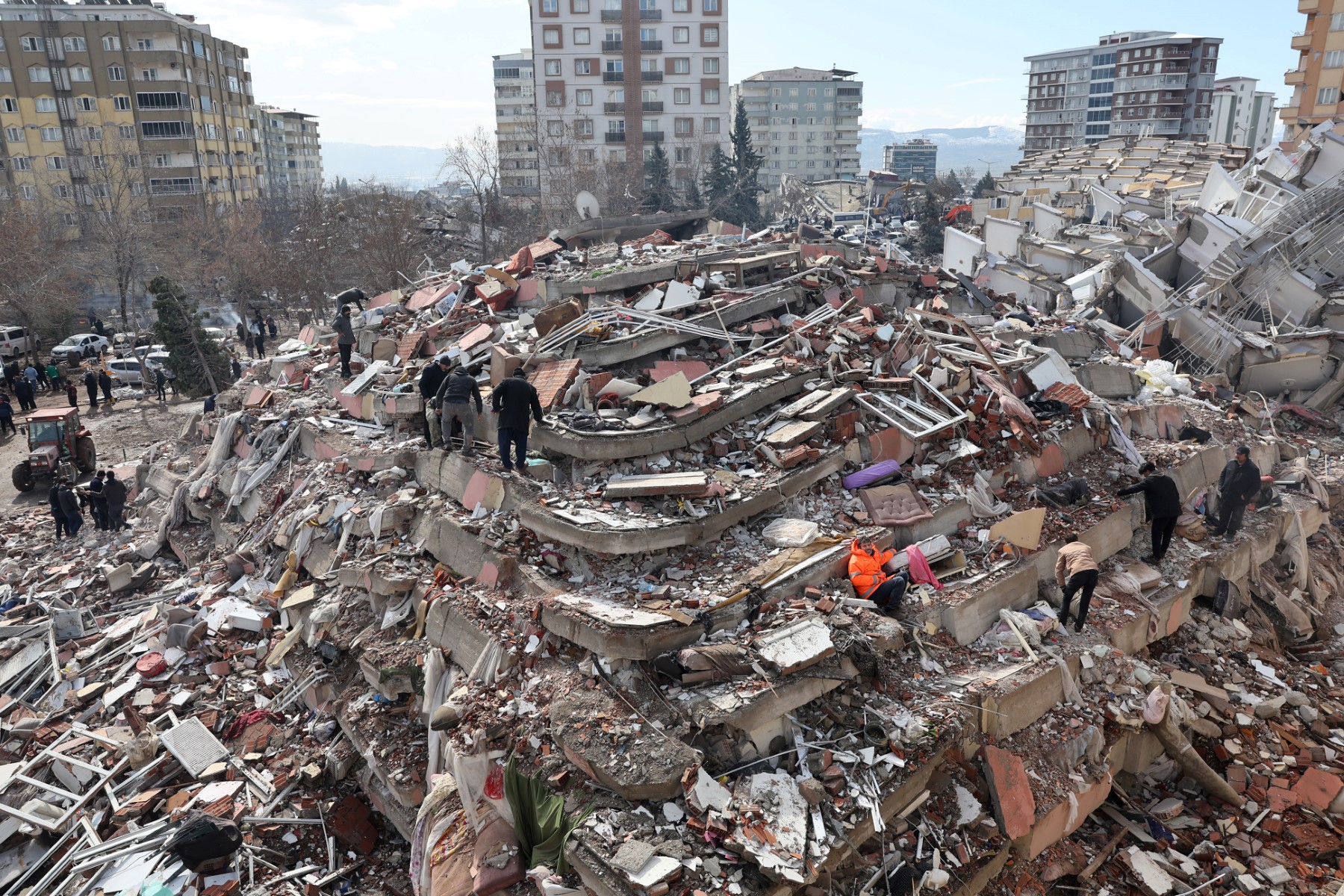
What Caused The Earthquake In Turkey 2024 - Mona Beverie - Source miabsapphira.pages.dev

Loma Prieta Earthquake 34 Years Ago Could Have Been Far, 44% OFF - Source www.micoope.com.gt
Breaking News: Magnitude X.X Earthquake Strikes [Location]
Earthquakes are a result of a sudden release of energy below the Earth's surface, caused by the movement of tectonic plates against each other. The magnitude of an earthquake is measured on the Richter scale, and is a logarithmic measurement of the energy released. The larger the magnitude, the more energy is released, and the more destructive the earthquake.

Tesla Resets FSD Beta Strikes for Users Bumped Out of the Program, but - Source www.autoevolution.com
Earthquakes can cause significant damage to buildings, infrastructure, and natural resources. They can also trigger landslides, tsunamis, and other natural disasters. The location of an earthquake can also affect its impact, with earthquakes in densely populated areas causing more damage and loss of life.
Understanding the connection between "Breaking News: Magnitude X.X Earthquake Strikes [Location]" is important for several reasons. First, it helps us to understand the causes and effects of earthquakes, and to develop strategies to mitigate their impact. Second, it helps us to understand the importance of earthquake preparedness and response, and to develop plans to help communities recover from earthquakes. Third, it helps us to understand the practical significance of earthquake science, and to develop technologies and policies to reduce the risk of earthquake damage.
| Magnitude | Energy Released (ergs) |
|---|---|
| 1.0 | 1011 |
| 2.0 | 1012 |
| 3.0 | 1013 |
| 4.0 | 1014 |
| 5.0 | 1015 |
| 6.0 | 1016 |
| 7.0 | 1017 |
| 8.0 | 1018 |
| 9.0 | 1019 |
| 10.0 | 1020 |
Conclusion
The connection between "Breaking News: Magnitude X.X Earthquake Strikes [Location]" is important for understanding the causes and effects of earthquakes, developing strategies to mitigate their impact, understanding the importance of earthquake preparedness and response, and developing technologies and policies to reduce the risk of earthquake damage. By understanding this connection, we can better protect ourselves and our communities from the devastating effects of earthquakes.
Earthquake preparedness remains a vital part of the response to such events. Communities that are prepared are more likely to survive and recover from earthquakes. Earthquake preparedness includes many different elements, including education, planning, and the development of disaster response plans. By taking these steps, communities can help to reduce the risk of earthquake damage and loss of life.


0 comments:
Post a Comment