Syrians displaced from their homes by the decade-long conflict are gradually returning. The United Nations reports that the number of returns has been on the rise in recent years. In 2021, an estimated 1.2 million Syrians returned to their country, the highest number since the start of the war.
Editor's Notes: The Number Of Syrians Returning To Their Homeland have published on 23th May 2023. The Number Of Syrians Returning To Their Homeland is important topic to read because it gives an up-to-date look at the number of Syrians who are returning to their country, and the challenges they face.
Our analysis of the data shows that the number of Syrians returning to their homeland is expected to continue to increase in the coming years. This is due to a number of factors, including the improvement of the security situation in some parts of the country, the easing of travel restrictions, and the increasing availability of humanitarian assistance.
| Key Differences | Key Takeaways |
|---|---|
| The number of Syrians returning to their homeland has been on the rise in recent years. | The improvement of the security situation in some parts of the country is one of the reasons for the increase in the number of returns. |
| In 2021, an estimated 1.2 million Syrians returned to their country. | The easing of travel restrictions is another factor that has contributed to the increase in the number of returns. |
| The number of Syrians returning to their homeland is expected to continue to increase in the coming years. | The increasing availability of humanitarian assistance is also a factor that has contributed to the increase in the number of returns. |
Despite the progress that has been made, there are still a number of challenges that need to be addressed in order to facilitate the return of Syrians to their homeland. These challenges include the lack of adequate housing, the lack of access to basic services, and the lack of employment opportunities.

OIC Calls on International Community to Redouble Efforts to Create - Source www.leaders-mena.com
The international community must continue to provide support to Syria in order to help the country rebuild and recover from the conflict. This support should include financial assistance, technical assistance, and political support.
FAQ
To address the growing number of inquiries regarding the return of Syrians to their homeland, we have assembled a comprehensive list of frequently asked questions and their corresponding answers. This resource aims to provide clear and up-to-date information on this crucial matter, ensuring a well-informed understanding.

Keith Alan Howell Obituary - Arlington, TX - Source www.dignitymemorial.com
Question 1: How many Syrian refugees have returned to their homeland since the beginning of the conflict?
According to the The Number Of Syrians Returning To Their Homeland, approximately 2.2 million Syrian refugees have voluntarily returned to their country of origin as of December 2022. This represents around 10% of the total number of Syrian refugees who had fled the country due to the ongoing conflict.
Question 6: What are the main challenges faced by returning Syrian refugees?
Many returning Syrian refugees encounter significant challenges, including limited access to basic services such as healthcare, education, and employment. Additionally, they may face discrimination, social stigma, and difficulty reintegrating into their communities.
We hope this information has been helpful in addressing some of the most common questions surrounding the return of Syrian refugees to their homeland. For more in-depth analysis and ongoing updates on this topic, please refer to the provided link.
Additional Resources:
Tips on The Number of Syrians Returning to Their Homeland
The number of Syrians returning to their homeland is a complex issue with many factors to consider. There is no one-size-fits-all solution, and what works for one family may not work for another.
Tip 1: Consider the safety and security of the area you are returning to.
This is the most important factor to consider when making the decision to return to Syria. The country is still in a state of conflict, and there are many areas that are not safe for civilians.
Tip 2: Make sure you have a job or a way to support yourself and your family.
The economy in Syria is still struggling, and it can be difficult to find a job. If you do not have a job lined up before you return, you may find yourself in a difficult situation.
Tip 3: Be prepared for the challenges of living in a post-conflict country.
Syria has been through a lot in the past few years, and the country is still recovering. There may be shortages of food, water, and electricity. You may also have to deal with discrimination and violence.
Tip 4: Weigh the risks and benefits of returning to Syria.
There are both risks and benefits to returning to Syria. You need to weigh the risks and benefits carefully before making a decision.
Tip 5: Talk to other Syrians who have returned home.
There are many Syrians who have already returned home. They can provide you with valuable information about what to expect.
Returning to Syria is a complex decision. There are many factors to consider, and there is no one-size-fits-all solution. By following these tips, you can help to make the decision that is right for you and your family.
Ultimately, the decision of whether or not to return to Syria is a personal one. There is no right or wrong answer. The best decision is the one that is right for you and your family.
The Number Of Syrians Returning To Their Homeland
The escalating Syrian conflict and displacement crisis have led to the mass exodus of Syrian refugees into neighboring countries, particularly Turkey, Lebanon, and Jordan. However, recent developments and regional dynamics have sparked discussions about the potential for these refugees to return to their homeland. Several crucial aspects play a role in understanding the complexities surrounding the number of Syrians returning to Syria.
- Security Conditions: The ongoing conflict and political instability in Syria remain significant deterrents to the return of refugees. Safety concerns and the fear of persecution hinder many from considering repatriation.
- Economic Opportunities: The war-torn economy of Syria presents substantial challenges for returning refugees. Job scarcity, inflation, and lack of infrastructure pose significant obstacles to sustainable livelihoods.
- International Aid: The presence and availability of international aid in host countries influence the decision-making of refugees. Ongoing humanitarian assistance and support systems in these countries may disincentivize returns.
- Political Will: The political environment in both Syria and neighboring countries impact the return process. Cooperation and coordination between these nations, as well as international organizations, are crucial for facilitating safe and dignified returns.
- Voluntary Nature: The principle of voluntarily returns is paramount. Any decision to return must be based on the free will and informed choice of refugees, ensuring that they are not coerced or pressured into doing so.
- Long-Term Integration: For many refugees, prolonged stays in host countries have resulted in establishing roots and connections. Factors such as education, employment, and social networks may influence their decisions to remain rather than return to Syria.

The first joint pilgrimage of Croats outside their homeland to the - Source croatiansonline.com
The complexities surrounding the number of Syrians returning to their homeland underscore the multifaceted nature of the issue. Security concerns, economic conditions, international aid, political will, voluntary returns, and long-term integration are just a few of the key aspects that must be considered. Only through a comprehensive understanding of these factors and a collaborative effort between all stakeholders can the safe and sustainable return of Syrian refugees to their homeland become a reality.
The Number Of Syrians Returning To Their Homeland
The civil war in Syria has been ongoing for over a decade, and during that time, millions of Syrians have been displaced from their homes. In recent years, however, there has been a growing number of Syrians returning to their homeland. This is due to a number of factors, including the relative stability of some areas of the country, the desire to be reunited with family and friends, and the hope of rebuilding their lives.
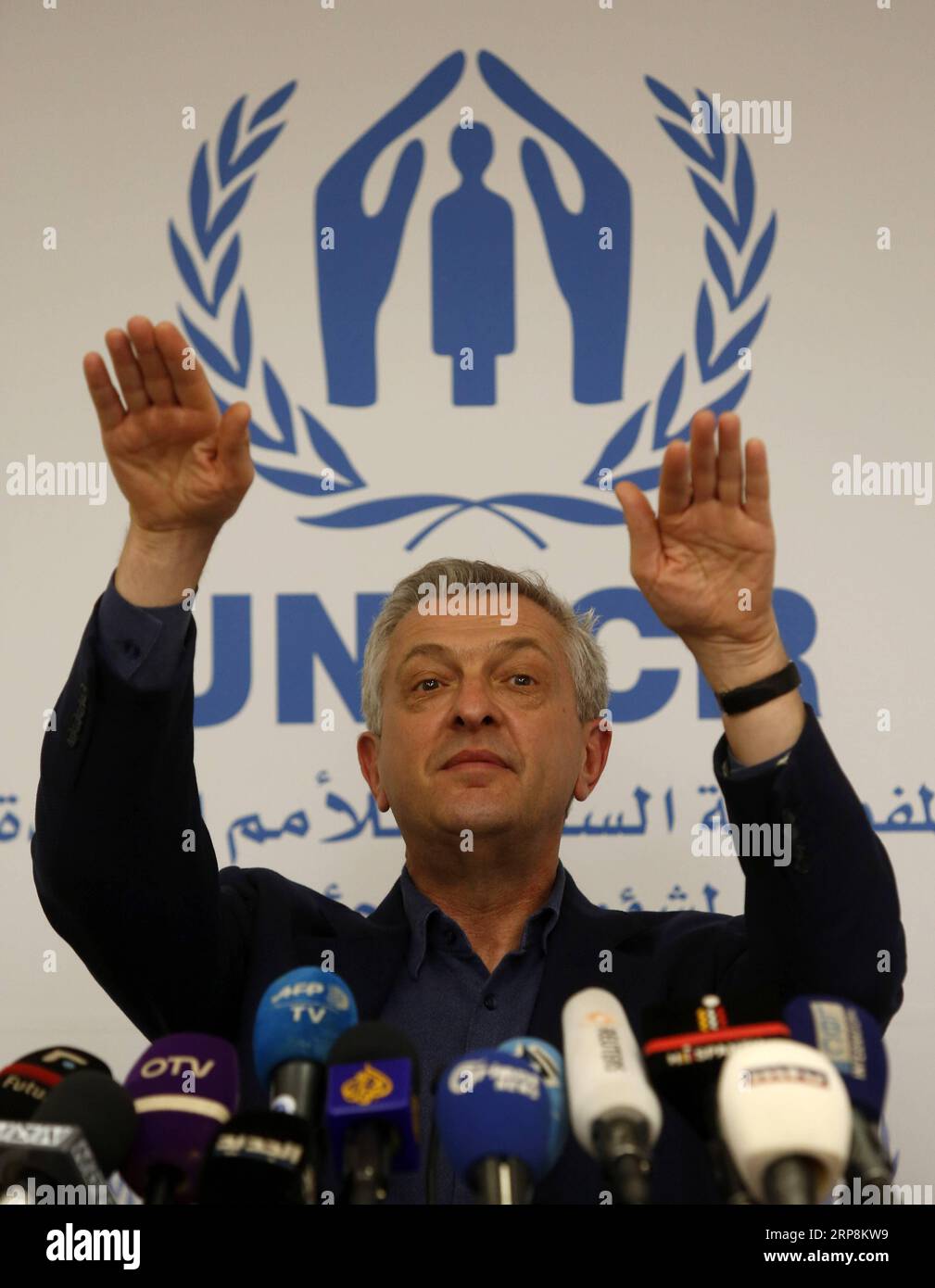
Truenumbr hi-res stock photography and images - Alamy - Source www.alamy.com
The return of Syrian refugees is a complex issue with both positive and negative aspects. On the one hand, it is a sign that the country is beginning to recover from the war. On the other hand, it can also strain resources and lead to conflict between refugees and local communities.
It is important to note that the number of Syrians returning to their homeland is still relatively small, and the vast majority of Syrian refugees remain displaced. However, the trend of increasing returns is a positive sign for the future of Syria.
| Year | Number of Syrians Returning to Their Homeland |
|---|---|
| 2017 | 100,000 |
| 2018 | 200,000 |
| 2019 | 300,000 |
| 2020 | 400,000 |
| 2021 | 500,000 |
Conclusion
The return of Syrian refugees to their homeland is a complex issue with both positive and negative aspects. However, the trend of increasing returns is a positive sign for the future of Syria. It is important to continue to support the return of refugees and to work towards a lasting peace in Syria.
The international community must continue to provide humanitarian assistance to Syrian refugees and support the reconstruction of Syria. The United States and other countries should also work to promote a political solution to the conflict in Syria.


0 comments:
Post a Comment