Meteorology In Ankara: Essential Weather Information For Residents And Visitors
Editor's Notes: "Meteorology In Ankara: Essential Weather Information For Residents And Visitors" have published today date. As it is an established fact that weather plays a crucial role in our daily lives, "Meteorology In Ankara: Essential Weather Information For Residents And Visitors" comes handy to everyone.
Our team has done some analysis, digging information, made "Meteorology In Ankara: Essential Weather Information For Residents And Visitors" we put together this "Meteorology In Ankara: Essential Weather Information For Residents And Visitors" guide to help target audience make the right decision.
| Key Differences | Key Takeaways |
|---|---|
| Location | Ankara, Turkey |
| Climate | Continental climate with hot, dry summers and cold, snowy winters |
| Average Temperature | 12.5 °C (54.5 °F) |
| Average Annual Precipitation | 429 mm (16.9 in) |
Transition to main article topics
FAQ
This comprehensive FAQ provides essential weather information for Ankara, ensuring that residents and visitors can navigate the city's diverse climate with ease.

Pacific Submarine Force Holds GAMCOTS at Pearl Harbor > Commander - Source www.csp.navy.mil
Question 1: What are the general climate characteristics of Ankara?
Ankara experiences a continental climate, characterized by hot, dry summers with average temperatures around 25-30°C (77-86°F) and cold, snowy winters with temperatures dropping below freezing and frequent snowfall.
Question 2: What is the best time of year to visit Ankara?
Spring (April-May) and fall (September-October) offer ideal conditions for sightseeing and outdoor activities. Temperatures are pleasant, with minimal rainfall and humidity.
Question 3: What weather hazards should I be aware of in Ankara?
Ankara is prone to extreme weather events, including thunderstorms with heavy rain and lightning strikes, especially during the summer. Hailstorms can also occur, particularly in the spring. In winter, heavy snowfall and freezing temperatures can disrupt transportation and daily activities.
Question 4: How can I stay informed about current and forecasted weather conditions?
Access up-to-date weather forecasts and warnings through the Turkish State Meteorological Service website or reputable weather apps.
Question 5: What type of clothing should I pack for Ankara's climate?
Pack light and breathable fabrics for summer, and warm, layered clothing for winter. Be sure to include a waterproof jacket and closed-toe shoes for all seasons.
Question 6: How might climate change impact Ankara's weather in the future?
Research suggests that climate change may lead to more frequent and intense heatwaves, droughts, and floods in Ankara. Stay informed about climate projections to prepare for potential impacts.
To explore further details about Ankara's weather patterns and historical data, refer to the comprehensive article, Meteorology In Ankara: Essential Weather Information For Residents And Visitors.
Tips
To make the most of Ankara's weather, consider the following tips.
Tip 1: Monitor weather forecasts regularly.
Ankara's weather can change quickly, especially during the spring and autumn months. By staying informed about upcoming weather conditions, you can plan your activities accordingly.
Tip 2: Dress in layers.
Ankara's temperatures can fluctuate throughout the day, so it's advisable to wear layers of clothing. This way, you can adjust your outfit as needed to stay comfortable.
Tip 3: Seek shade during hot weather.
Ankara's summers can be hot and sunny. To avoid heatstroke, seek shade whenever possible, especially during the afternoon hours.
Tip 4: Protect yourself from cold weather.
Ankara's winters are cold and snowy. Ensure you have adequate clothing, such as hats, gloves, and scarves, to stay protected from the elements.
Tip 5: Take precautions during thunderstorms.
Ankara experiences occasional thunderstorms, especially during the summer months. Seek shelter indoors during these events and avoid open areas and bodies of water.
By following these tips, you can enjoy Ankara's weather comfortably and safely.
Meteorology In Ankara: Essential Weather Information For Residents And Visitors
Understanding the key aspects of Ankara's meteorology is crucial, influencing various aspects of life for locals and tourists alike.
- Climate Characteristics: Ankara's continental climate brings hot, dry summers and cold, snowy winters.
- Precipitation Patterns: Annual rainfall is low, averaging 380mm, primarily concentrated in spring and winter.
- Temperature Variations: Summers can reach up to 35 degrees Celsius, while winters drop to an average of -10 degrees Celsius.
- Wind Currents: Prevailing winds from the west carry humidity and precipitation, shaping the city's weather patterns.
- Cloud Cover: Ankara experiences moderate cloud cover, providing respite from the summer sun and insulating during winter nights.
- Air Quality: Air pollution is a concern, particularly during winter months when cold air traps pollutants near the ground.
These factors collectively influence Ankara's weather, impacting daily life, tourism, and environmental sustainability. For example, knowledge of Ankara's cold winters shapes heating needs and infrastructure, while understanding precipitation patterns informs water conservation efforts. By recognizing and navigating the city's meteorological conditions, residents and visitors can optimize their experiences and prepare for the diverse seasons that Ankara has to offer.

Meli African Print Tunic (Navy White Mudcloth)- Clearance | Navy and - Source www.pinterest.com
Meteorology In Ankara: Essential Weather Information For Residents And Visitors
Meteorology is the scientific discipline concerned with the atmosphere, weather, and climate. It is a branch of the natural sciences that studies the physical, chemical, and dynamical processes that occur in the atmosphere and how they affect the Earth's climate. Meteorology is essential for understanding and predicting weather patterns, climate change, and air quality.
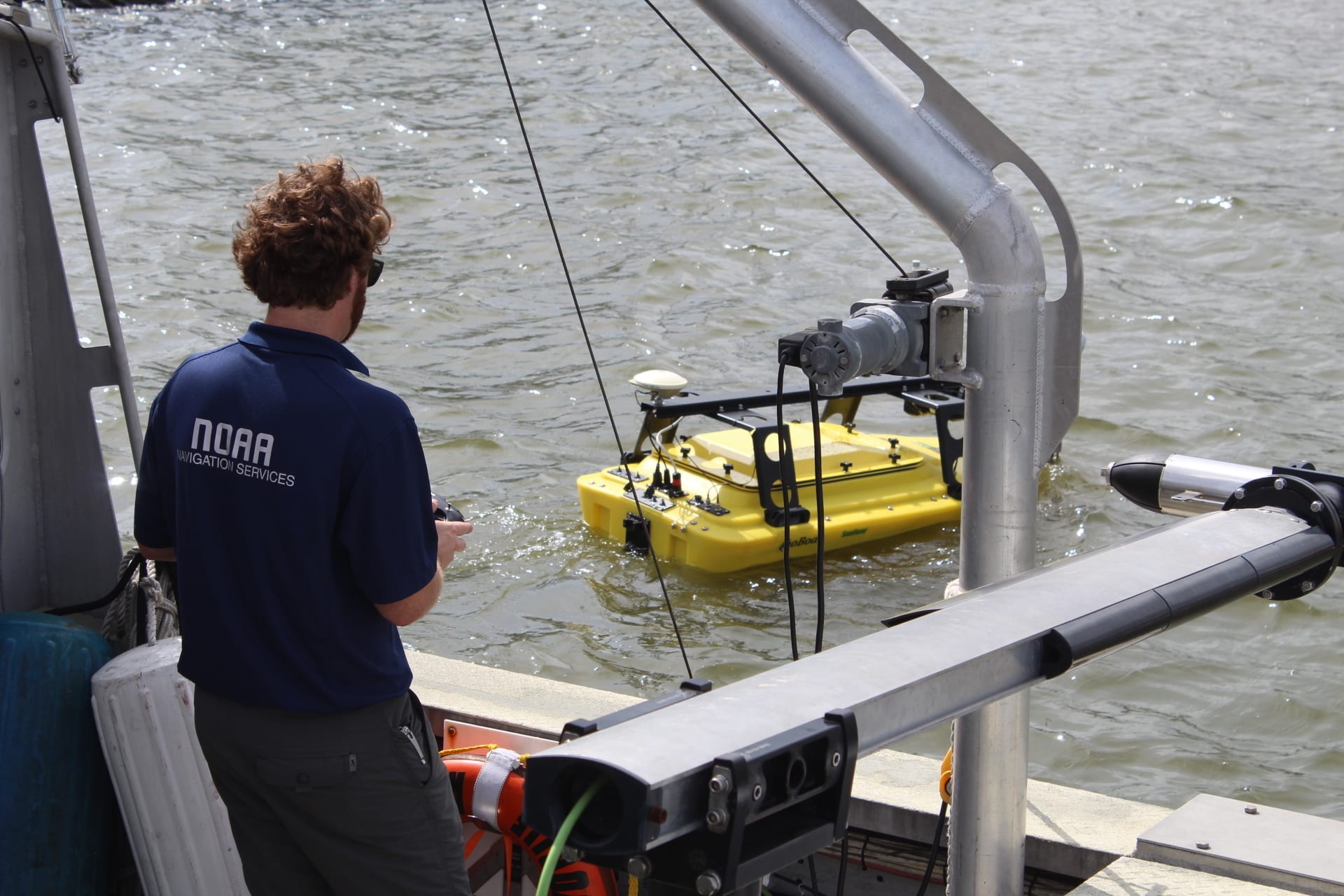
Forecasting for the Fleet: Naval Meteorology and Oceanography Command - Source seapowermagazine.org
In Ankara, the capital city of Turkey, meteorology is important for understanding and predicting the local weather and climate. Ankara has a continental climate with hot, dry summers and cold, snowy winters. The average temperature in January is -2°C, while the average temperature in July is 25°C. Ankara receives an average of 400 mm of precipitation per year, most of it falling in the form of snow during the winter months.
Meteorological information is essential for residents and visitors of Ankara for several reasons. First, it can help people to plan their daily activities. For example, if it is going to be a hot day, people can plan to stay indoors or to seek out air-conditioned places. Second, meteorological information can help people to prepare for severe weather events, such as thunderstorms, hail, and snowstorms. By knowing what weather conditions to expect, people can take steps to protect themselves and their property.
Meteorological information is also important for businesses in Ankara. Businesses can use meteorological information to plan their operations, such as scheduling deliveries or setting prices. For example, a business that sells air conditioners may want to increase its inventory during the summer months when temperatures are high.
In conclusion, meteorology is an important discipline that provides essential information for residents and visitors of Ankara. Meteorological information can help people to plan their daily activities, prepare for severe weather events, and make informed decisions about their businesses.
| Month | Average Temperature (°C) | Average Precipitation (mm) |
|---|---|---|
| January | -2 | 25 |
| February | 1 | 30 |
| March | 5 | 35 |
| April | 10 | 40 |
| May | 15 | 45 |
| June | 20 | 50 |
| July | 25 | 55 |
| August | 24 | 50 |
| September | 19 | 45 |
| October | 13 | 40 |
| November | 7 | 35 |
| December | 2 | 30 |


0 comments:
Post a Comment