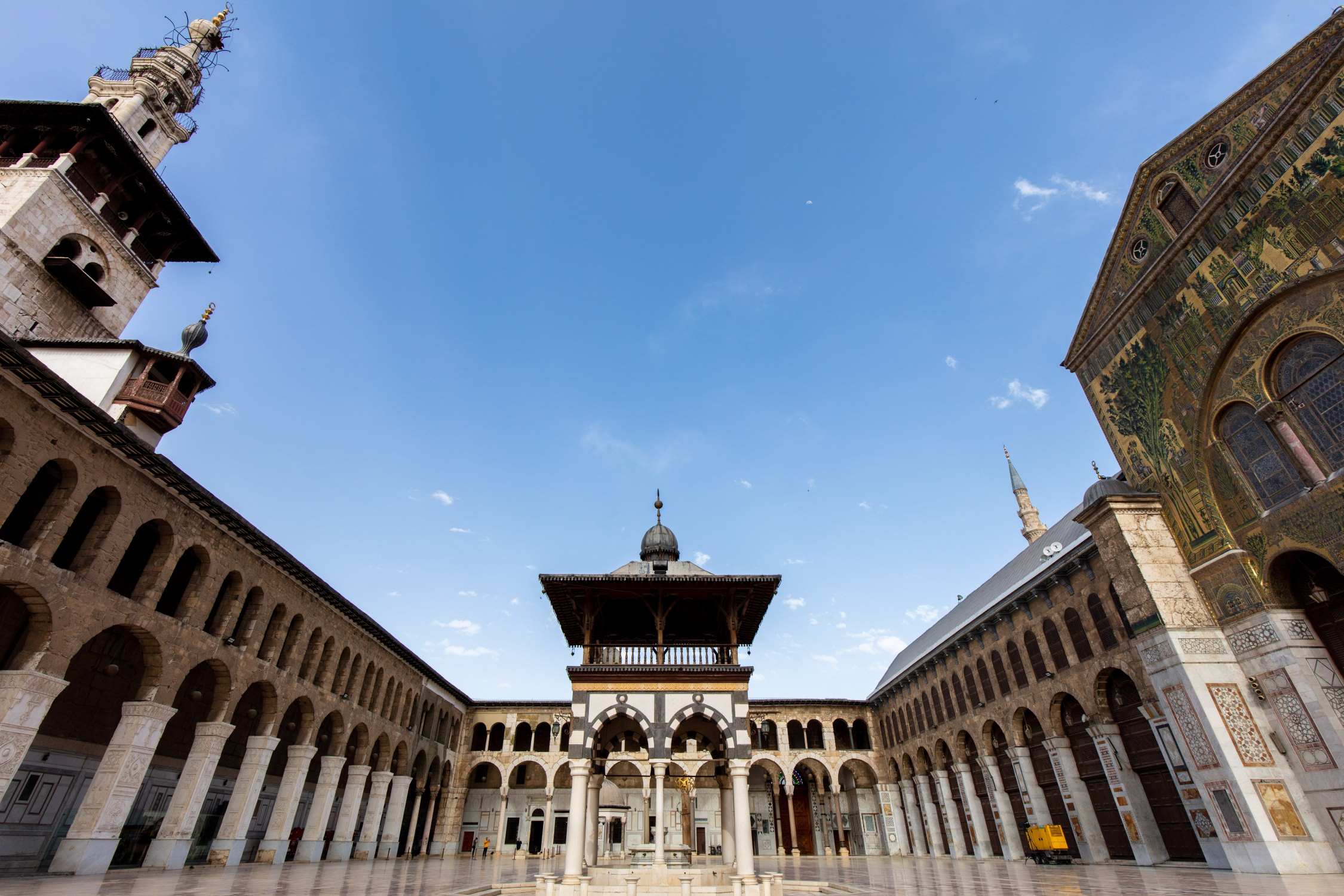
What is 'The Grand Umayyad Mosque: A Timeless Masterpiece Of Islamic Architecture'? The Grand Umayyad Mosque is one of the oldest and most significant mosques in the world. Located in the heart of Damascus, Syria, it is considered a masterpiece of Islamic architecture and a symbol of the Umayyad dynasty.
Editor's Notes: "The Grand Umayyad Mosque: A Timeless Masterpiece Of Islamic Architecture" have published today date. This is important to read because it provides a comprehensive insight into the history, architecture, and significance of this iconic mosque.
After careful analysis and extensive research, we are excited to present this guide on "The Grand Umayyad Mosque: A Timeless Masterpiece Of Islamic Architecture." Our goal is to provide valuable information and insights to the audience.
14 Unbelievable Facts About Umayyad Mosque - Facts.net - Source facts.net
Whether you are an architecture enthusiast, a history buff, or simply curious about the world's architectural marvels, this guide will offer you a captivating exploration of the Grand Umayyad Mosque.
FAQ
This FAQ section provides answers to common questions about the architectural marvel of The Grand Umayyad Mosque.
Tracing the history behind the great Umayyad mosque of Damascus - Source www.middleeasteye.net
Question 1: What is the significance of the Umayyad Mosque?
Known as the "Great Mosque of Damascus," it stands as one of the oldest and most celebrated mosques in the Islamic world. Its grand architectural design and historical significance render it a timeless masterpiece.
Question 2: When was the Umayyad Mosque built?
Its construction commenced in 706 AD under the rule of Umayyad Caliph Al-Walid I and was completed within a span of eight years.
Question 3: What architectural features distinguish the Umayyad Mosque?
The mosque showcases a blend of architectural styles, incorporating elements from Roman, Byzantine, and Persian traditions. Its vast prayer hall, adorned with intricate mosaics and supported by rows of marble columns, serves as a prime example.
Question 4: How has the Umayyad Mosque been preserved over the centuries?
Throughout history, the mosque has undergone several renovations and restorations. These efforts have been instrumental in maintaining its architectural integrity and preserving its splendor for future generations.
Question 5: What are the dimensions of the Umayyad Mosque?
The mosque covers an area of approximately 38,000 square meters (410,000 square feet) and can accommodate up to 40,000 worshippers.
Question 6: Is the Umayyad Mosque open to non-Muslims?
While The Grand Umayyad Mosque primarily serves as a place of worship for Muslims, non-Muslims are welcome to visit during designated hours and experience its architectural grandeur firsthand.
The timeless masterpiece of The Grand Umayyad Mosque: A Timeless Masterpiece Of Islamic Architecture continues to captivate and inspire with its architectural brilliance. Its historical significance and enduring beauty cement its status as a cornerstone of Islamic heritage.
To delve deeper into the intricacies of this architectural marvel, explore our comprehensive article on The Grand Umayyad Mosque: A Timeless Masterpiece Of Islamic Architecture.
Tips
To fully appreciate the architectural magnificence of the Grand Umayyad Mosque, consider these tips:
Tip 1: Explore the sprawling courtyard. The vast open space framed by intricate arcades creates a sense of awe and grandeur. Admire the rows of marble columns, each adorned with unique carvings.
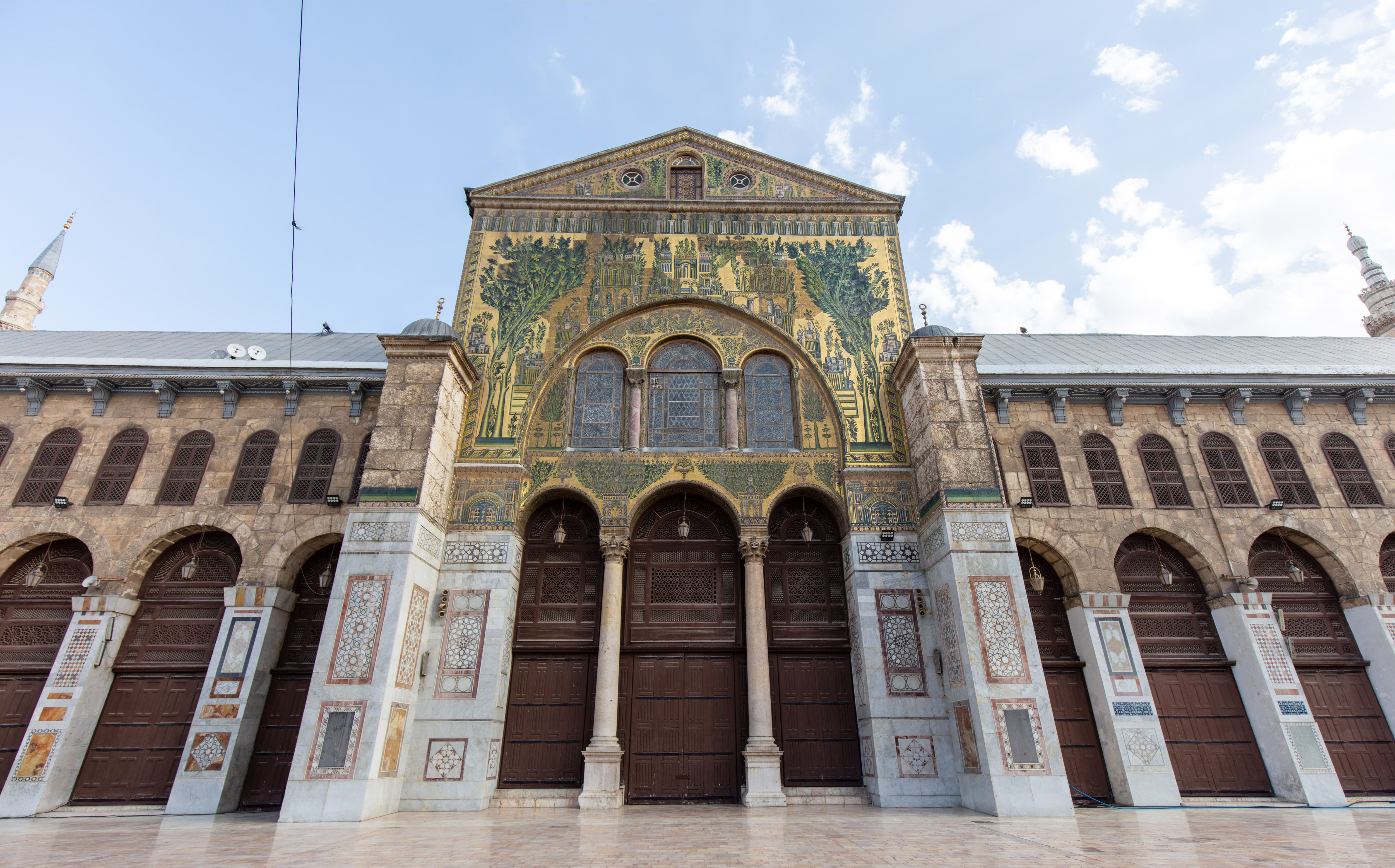
Tip 2: Marvel at the intricate mosaics. The mosque is renowned for its stunning mosaics, depicting scenes from nature and Islamic motifs. Seek out the "Tree of Life" mosaic in the mihrab for its exquisite detail.
Tip 3: Discover the history in the walls. The mosque has witnessed centuries of history. Explore the different sections to uncover remnants of previous renovations, including the Fatimid minarets and the Ottoman additions.
Tip 4: Ascending the minarets. For panoramic views of the city, climb to the top of the minarets. The narrow spiral staircases provide a unique perspective on the mosque's grandeur and the surrounding cityscape.
Tip 5: Explore the hidden nooks. Beyond the main prayer hall, discover the secluded courtyards, fountains, and gardens. These tranquil spaces offer respite from the crowds and allow for quiet contemplation.
By following these tips, you will gain a deeper understanding of the architectural brilliance and historical significance of this iconic masterpiece.
The Grand Umayyad Mosque: A Timeless Masterpiece Of Islamic Architecture
The Grand Umayyad Mosque in Damascus, Syria, stands as a testament to the architectural prowess of its era. Its historical significance, grand scale, intricate details, enduring legacy, and religious relevance make it a true masterpiece of Islamic architecture, attracting visitors from around the world.
- Historical Significance: Founded in the 8th century, it is one of the oldest mosques in the world.
- Grand Scale: Covering over 54,000 square meters, it is one of the largest mosques in the world and can accommodate up to 100,000 worshippers.
- Intricate Details: Intricate mosaics, marble inlays, and finely carved stonework adorn its interiors and exteriors.
- Enduring Legacy: It has served as a religious center for over 13 centuries, witnessing the rise and fall of empires.
- Religious Relevance: According to Islamic tradition, it is believed to be the place where the head of John the Baptist is buried.
- Architectural Inspiration: Its design and elements have influenced Islamic architecture across the world.
These aspects contribute to the mosque's status as an architectural masterpiece that continues to inspire awe and reverence. Its historical significance connects it to the past, while its enduring legacy ensures its continued importance in the present and future. The intricate details showcase the skill of its artisans, and its grand scale serves as a symbol of the power and grandeur of the Umayyad dynasty. Finally, its religious relevance and architectural influence make it a testament to the enduring nature of faith and the lasting impact of Islamic art and architecture.

Umayyad Mosque in Damascus | Umayyad mosque, Mosque, Damascus - Source www.pinterest.co.uk
The Grand Umayyad Mosque: A Timeless Masterpiece Of Islamic Architecture
The Grand Umayyad Mosque, an architectural marvel located in the heart of Damascus, Syria, is a testament to the enduring legacy of Islamic architecture. Built over the site of a former Roman temple, the mosque has witnessed centuries of history and cultural exchange, emerging as a symbol of architectural prowess and a pivotal center of Islamic civilization.

Pin on Syria Everything - Source www.pinterest.de
From its intricate mosaics and towering minarets to its vast prayer hall and serene courtyards, the Umayyad Mosque showcases a harmonious blend of architectural styles and influences. It is considered one of the oldest and most significant mosques in the world, having served as a religious, cultural, and educational center for centuries. Scholars and pilgrims from across the Islamic world flocked to Damascus to study its architectural innovations and seek knowledge within its hallowed halls.
The mosque's architectural significance lies not only in its aesthetic beauty but also in its historical and cultural importance. Its construction in the 8th century marked a pivotal moment in Islamic history, as it became a focal point for the Umayyad Caliphate, the first great Islamic empire. The mosque's grandeur and sophistication reflected the political, economic, and cultural power of the Umayyads, solidifying Damascus's position as a major center of the Islamic world.
Throughout the centuries, the Umayyad Mosque has undergone several renovations and expansions, each contributing to its architectural evolution. The mosque's current form, with its distinctive black and white striped minarets, was largely completed in the 13th century by the Mamluk Sultanate. These additions and modifications showcase the enduring appeal of the mosque as a sacred space and a source of inspiration for generations of architects.
Today, the Grand Umayyad Mosque continues to serve as a vibrant center of worship, education, and cultural heritage. It has become a symbol of Damascus, attracting visitors from around the world who come to admire its architectural splendor and marvel at its enduring legacy.